Your Ultimate Guide to Choosing the Best Camping Tents
Face the great outdoors with confidence.
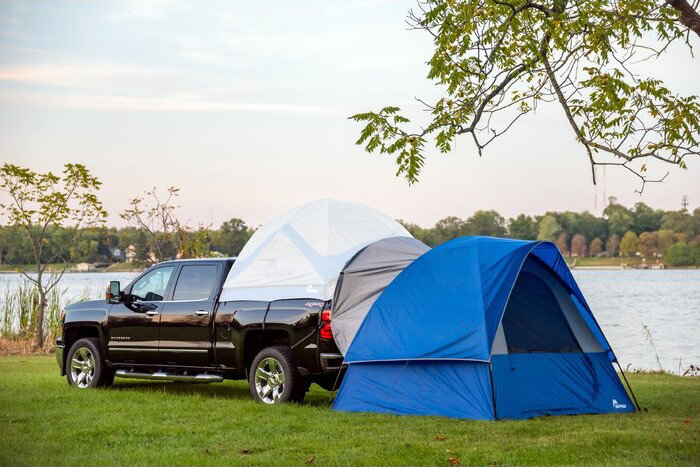
Camping overnight can be an unforgettable experience, especially if you are well prepared with the right equipment. Perhaps the most important piece of camping equipment is a camping tent – whether you're a leisurely car camper or a hardcore mountaineerer, the right tent is an absolute must. Ensure that your camping trip is as comfortable as possible by reading our ultimate guide to choosing the best camping tents, which outlines camping tent uses, types, sizes, and more.
Camping Tent Seasonality
A camping tent's seasonality describes its suitability in different climates and weather conditions commonly associated with seasons of the year. These terms have been standardized to refer to summers as hot and arid and winters as cold and snowy.
2-Season: Two-season camping tents are the best camping tents for occasional campers who prefer to camp during the temperate weather of spring and fall. These tents are only designed for use during those seasons and aren't recommended for particularly hot or cold weather because they lack ample ventilation and aren't the most durable tents available.
3-Season: If you consider yourself a recreational camper and like the occasional camping challenge, a three-season camping tent is an excellent option. These tents are well suited for spring, summer, and fall weather, including heat, humidity, rain, and the occasional chilly breeze. If you live in a particularly arid climate, double-check that a tent has appropriate ventilation before you buy. The same goes for rainy climates – make sure a tent has been deemed resilient against rain or purchase a separate rain fly and/or ground tarp.
4-Season: Hard-core year-round campers, these are the tents for you. Four-season camping tents, as you might be able to guess, are well suited for almost all climates, most notably the harsh, frosty weather you might encounter while mountaineering or alpine camping. These tents are heavy and super durable, cloaked in thick, robust material that shields against the wind and insulates against the cold. Because of their solid construction and high-quality materials, tents can be more expensive than the other seasonal tents in this guide, but if you plan on camping during the dead of winter, a four-season camping tent is an absolute must-have.
There are a variety of camping tent shapes and configurations to choose from, depending on your needs and preferences. Hammock, A-frame, and dome camping tents are more suitable for hiking/backpacking or mountaineering because they require less gear to transport. In contrast, modified dome and cabin tents can afford to be larger and heavier because they're typically used for recreational camping. All you have to do is drive up to the campsite and set it up (no need to lug the tent components for miles on end!).
As mentioned, the best camping tent for backpacking up a mountain likely will not be the best camping tent for recreational camping. A camping tent's intended use will dictate its shape, weight, material, features, and more. Browse by intended use if you know for certain which outdoor activities you need a tent for.
Tip!
Explore these tent shapes and use options even further in our guide on 11 Types of Tents for Every Outdoor Activity.
Camping Tent Size & Capacity
Choosing the right camping tent size for your camping excursion entails more than simply accommodating each person on the trip. Camping tent size goes hand in hand with intent. If you plan on car camping or camping recreationally at safe campsites, you can definitely opt for a tent that's a bit (or a lot) larger than what might be considered necessary. Because you likely won't be lugging your tent up or down a mountain, weight won't be an issue, therefore you can safely opt for a larger, heavier tent with room to spare. In this section, capacity refers to the amount of people who will be able to fit snugly inside the tent at one time with little or no additional space.
Small Camping Tents
Camping tents that fall under the small size label typically have enough room to snugly hold one to four people at a time. The smallest tents in this category – one- and two-person tents – are often designated as backpacking tents for their lightweight and compact design. Three- and four-person tents are very common. Of course, a single person can certainly opt for a three- or four-person camping tent, which will be spacious and comfortable for their lone occupancy.
Medium Camping Tents
If you're interested in something a little roomier for a camping trip with a few friends, a medium-sized camping tent will likely be the most comfortable and accommodating choice. These tents are a step above small tents in shape, and many are large enough to allow an adult to stand up straight. Even if your camping group is on the smaller side (three or four people), we would still recommend a medium camping tent, especially if you are going car camping. Medium tents aren't usually recommended for backpacking trips, as they can be heavy.
Large Camping Tents
If you really want to maximize your comfort and enjoyment or if your camping group is on the much larger side, a large camping tent is a must. These camping tents can have enough space for several people (up to 12) to lounge without the tent feeling crowded. With increased size comes increased weight, so these large camping tents are really not recommended for backpacking or hiking trips.
Camping Tent Features & Accessories
Freestanding: Freestanding camping tents are camping tents that can support themselves when assembled properly. Think dome and modified dome tents. The alternative, non-freestanding tents, get their structure from cords that are staked into the ground at specific tensions and locations. Freestanding tents are preferable if you'd rather not struggle too much with putting up or moving your camping tent. They're excellent for recreational use.
Rain Fly: A rain fly is a piece of water-resistant material that is designed to fit over your tent to protect it from the rain. Some camping tents come with rain flies, while others do not. Some rain flies affix directly to the top of a camping tent, while others are meant to be suspended between trees over your campsite. Rain flies are especially useful in hot climates – they can provide cover over the ventilating mesh at the top of your tent without reducing airflow.
Footprint: A footprint is a durable, waterproof piece of material that covers the floor of your tent to keep out bugs and moisture, insulate your tent, and keep your tent clean and comfortable. Most modern camping tents either come with their own footprints or have their footprints built into their structure, though some do not. Some footprints can be removed for cleaning purposes.
Instant: If you'd rather not spend more than a minute setting up your camping tent, an instant tent is the best camping tent for you. These tents can be assembled and taken down in under a minute, usually with a single, quick motion. The poles on these tents are one solid structure rather than segmented ones you might find in traditional dome camping tents. These allow the tent to pop up and/or lock in place quickly and easily. These tents are recommended for recreational campers.
Screen Room: A screen room is a separate enclosure that attaches to or sits near your camping tent to hold supplies and equipment. Its walls are usually mesh and its ceiling is usually solid to protect against rain. These screen rooms are recommended if you choose a small tent but would like the peace of mind of knowing that your supplies won't be tampered with by animals while you sleep.
