How to Choose the Best Flooring for Your Bathroom
From tile to vinyl, let us help you find the best flooring for your bathroom.
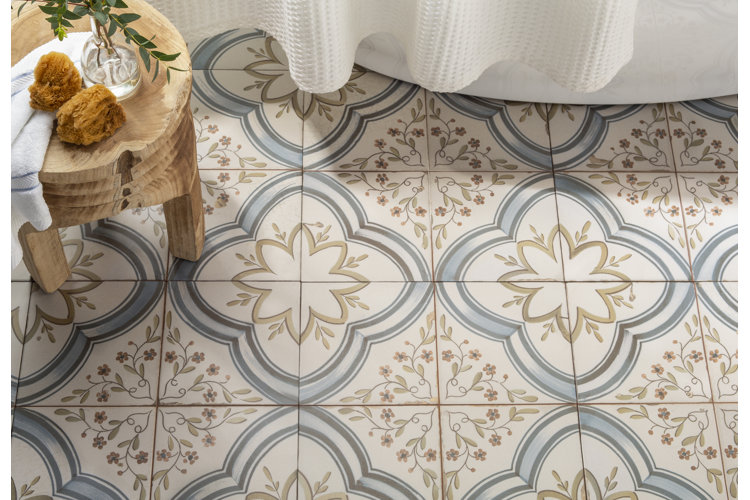
Choosing bathroom flooring material presents a unique challenge because of a bathroom’s highly damp environment – inevitably, your bathroom floor will come in contact with water. That exposure to water can cause irreparable, costly damage to moisture-susceptible flooring types such as hardwood, cork, and carpet. In this guide, we take you through the bathroom flooring options that can stand up to moisture so you can choose the best flooring for your bathroom.
Best Bathroom Flooring Characteristics
Best Bathroom Flooring Options
Alternative Bathroom Flooring Options
Best Bathroom Flooring Characteristics
The bathroom tends to be one of the busiest rooms in the home, which also means it must handle a lot of mess. You'll want bathroom flooring options that can accommodate your bathroom's natural moisture and mess. When choosing a material for your bathroom floor, you will want it to include the following characteristics:
- Waterproof
- Easy to clean
- Durable
Best Bathroom Flooring Options
Porcelain & Ceramic Tile
Tile is a popular choice for bathrooms because it is waterproof, cost effective, and easy to clean. Tile can be produced in any color, texture, or pattern, including wood look and natural stone look. Mosaic-pattern tile comes in sheets and is a great eye-catching feature. Tile is scratch- and scuff-resistant, but it can crack if it comes in contact with heavy, dropped objects. Tile installation involves adhesive or mortar, grout, and a lot of time, so we recommend hiring a professional to help you with installation.
Tip!
Learn how to pick the perfect bathroom tile with the help of our in-depth guide.
Vinyl
Vinyl is versatile, low maintenance, and highly moisture-resistant. Waterproof vinyl flooring is made in a variety of wood, stone, and tile looks, so it'll be easy to find something that matches your bathroom's style. Vinyl flooring is available in easy-to-install planks or tiles, so you can save money on hiring a professional to install it for you. Where high-quality porcelain or ceramic tile can be costly, vinyl flooring is one of the most affordable flooring options for your bathroom.
Natural Stone
Rugged and natural in texture and appearance, natural-stone flooring is visually stunning. Popular natural-stone flooring materials include marble, limestone, and travertine. Natural stone is durable and moisture-resistant, though broken or cracked stone can be expensive and difficult to replace. Like tile, natural stone can be slippery when wet and cold underfoot.
Alternative Bathroom Flooring Options
If the above flooring options aren't for you, there are a couple more bathroom flooring options to choose from. It's important to note that these options aren't ideal and will require significant upkeep in order to remain in good condition.
Engineered Hardwood
Engineered hardwood is the best alternative to real, solid hardwood flooring for use in the bathroom. Because of its plywood core and veneer top layer, it can withstand moisture better than solid hardwood can. An added benefit to engineered hardwood over solid hardwood is the cost – it tends to be less expensive. Unfortunately, like all flooring types made up of real wood components, engineered hardwood is not completely moisture- or mold-resistant, and water damage can be costly.
Laminate
If you want to outfit your bathroom floor with the look of hardwood at a much lower cost than engineered hardwood, consider using laminate flooring. Laminate flooring comes in a wide variety of colors and styles meant to imitate the look of wood or tile. Laminate is also a very DIY-friendly flooring choice. If you're thinking about using laminate for your bathroom, remember it is susceptible to damage from excessive water. It is best in a half bath or powder room.
Tip!
Bathroom flooring tends to be cold and hard underfoot. Soft, washable rugs and bath mats can give you a soft place to stand.
