Parts of a Toilet
Explore the inner workings of your toilet.
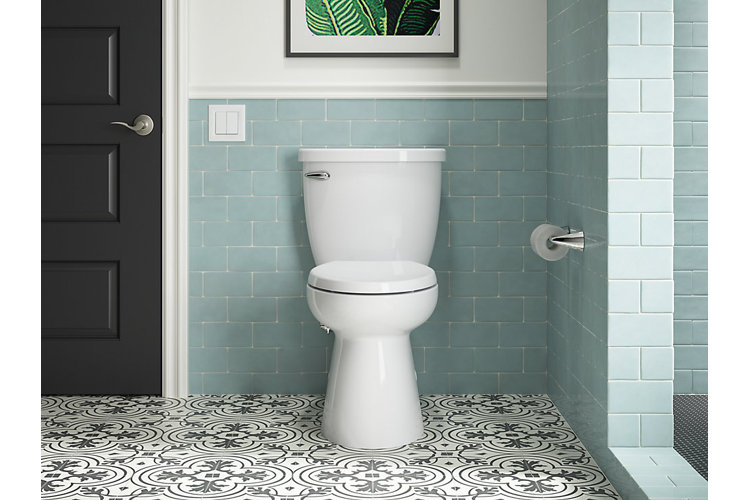
A toilet is one of the most-used fixtures in any home, yet many people don’t know exactly how it works. Understanding the different parts of a toilet and how they work together will help you identify common issues and make maintenance a breeze. Read on for everything you need to know about the main components of a toilet bowl and flushing system.
What Are the Parts of a Toilet?
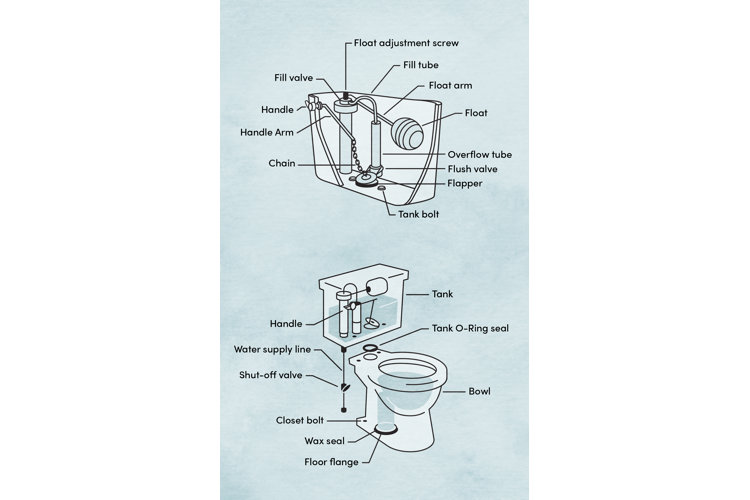
A toilet has three main parts: the tank, bowl, and flushing mechanism. Inside the tank are the fill valve, flush valve, flapper, and handle. We've outlined the various toilet parts in more detail below.
Parts of a Toilet Tank
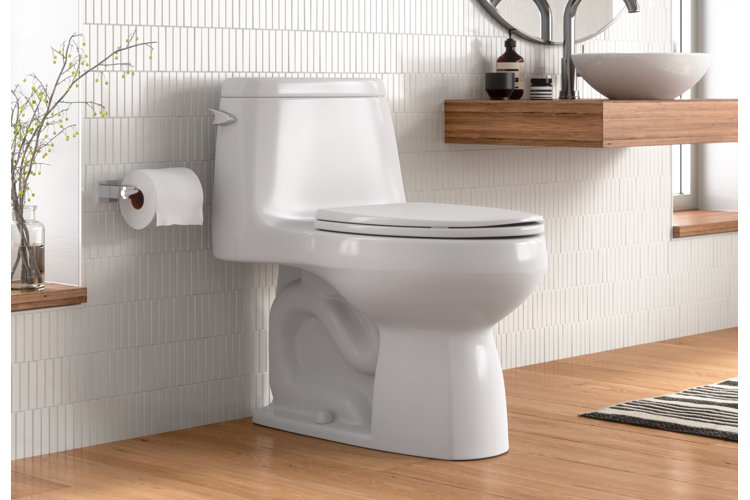
The toilet tank is the large container positioned above the toilet bowl that holds the water needed for each flush. Each component inside the toilet tank plays an essential role in operating the flushing mechanism.
Tank & Cover: The toilet tank, or cistern, is the large, usually rectangular section sitting at the back of the toilet. It contains all of the toilet flushing parts and is enclosed by a heavy lid made of the same material as the rest of the toilet. It is usually fastened to the toilet bowl by two tank bolts. A tank-O seal ring prevents leakage during the flow from the toilet tank to the bowl.
Handle & Arm: Located on the exterior of the toilet tank, the toilet handle or trip lever initiates the toilet’s flush. The metallic handle has an internal arm that connects to the lift chain.
Lift Chain: The lift chain connects the toilet’s internal handle to the flapper that covers the toilet tank’s drain. When you press the toilet handle, the chain is pulled upwards, lifting the flapper. If your toilet won’t stop running after being flushed, there’s a good chance the lift chain is tangled or broken.
Flapper: This flexible component keeps water in the toilet tank by plugging the flush valve’s bottom drain opening. It is pulled up by the lift chain to release water during flushes.
Fill Valve: After the toilet is flushed, water flows back into the tank via the fill valve, which is a long, cylindrical piece connected to the float and flush valve. Water flows from the fill valve to the flush valve through the thin, flexible fill tube.
Flush Valve: This piece is mounted over the toilet tank’s bottom drain hole. Water flows into the toilet tank through the flush valve.
Float: As water refills the tank, the air-filled float rises. When the tank’s water level reaches the fill line, the float arm rises and triggers the fill valve to shut it off, stopping the water supply. This piece is shown in the diagram as a balloon with a long arm, but it can also be a cup-shaped component directly mounted on the fill valve. The float adjustment screw allows you to raise and lower the float if need be.
Tip!
Browse our guide on How to Install a Toilet for a step-by-step overview of the entire process.
Parts of a Toilet Bowl
The toilet bowl is the large basin that holds water and removes waste. Keep reading for an overview of its key components.
Toilet Bowl: The toilet bowl is the main, pedestal-shaped basin where water is flushed. Water floods into the bowl from the toilet tank and out of the bowl through the curvy trap and drain on the bottom. The bowl is secured to the floor with long closet bolts, and the toilet drain connects to the drainpipe through the floor flange.
Floor Flange: The floor flange, or closet flange, is a plastic or metal pipe fitting that screws into the floor over a drainpipe – it is situated below the toilet drain. Leaks are sealed by a wax ring that is pressed between the floor flange and toilet drain.
Seat & Lid: The toilet seat makes using a toilet comfortable and natural, while the lid keeps the toilet bowl covered and clean. With an array of materials, patterns, and features available, like heated, cushioned, and deodorizing seats, this component and its accompanying lid are the customizable parts of a toilet.
Toilet Plumbing Parts
The toilet’s plumbing parts are crucial because they supply the water for your toilet.
Water Supply Line: Water flows from the main plumbing lines in the wall to the toilet tank through the water supply line, which is usually a flexible metal tube that screws into the bottom of the fill valve in the toilet tank.
Shut-Off Valve: The other end of the water supply line screws into the shut-off valve. The shut-off valve is a small, pipe-fitted valve with a knob that allows you to shut off the toilet’s water when making repairs – it is mounted on the main water line.
Tip!
Need help choosing a new toilet? Check out our Toilet Buying Guide to learn more about all the available toilet types, shapes, and features.
Frequently Asked Questions
What are the main parts of a toilet?
The tank, bowl, and flushing mechanism are the key parts.
What is the flapper?
The flapper is a rubber seal that releases water into the bowl.
What is the fill valve?
The fill valve is the part that refills the tank.
What connects handle to flushing?
A lift chain connects the two.
