Types of Floor Tiles You Need to Know Before You Remodel
Learn about each style.
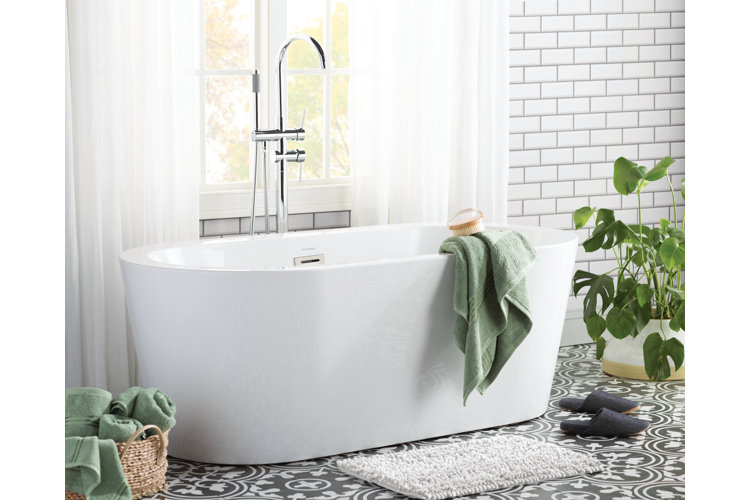
With seemingly endless materials, applications, and aesthetics, it can be hard to know where to start when shopping for tile. The guide below will help you understand which types of floor tiles can be used in your space based on your needs.
Types of Floor Tiles
Floor Tile Durability
Floor Tile Applications
Types of Floor Tiles
Here are the most popular types of floor tiles you'll see in homes.
Ceramic: Ceramic tile is a popular choice for cost-conscious DIYers. It's affordable and easy to install, and it comes in a variety of colorful patterns, glazes, and designs. Basic ceramic tile is white with a glossy finish.
Porcelain: Porcelain is more durable than ceramic and thus more expensive. It is long-lasting due to its increased impermeability and slip resistance. This tile is also particularly dense, so if you need to cut porcelain for your project, we recommend hiring a professional.
Natural Stone: This popular tile is crafted from natural materials to create a stunning, organic look. There is a variety of natural stone tiles to choose from, including granite, slate, limestone, marble, and many others. Stone tile is generally nonslip, but it can scratch easily.
Glass: Glass tile is typically found in bathrooms and showers because it is water-resistant and easy to clean. The pearly, polished gleam doesn't hurt, either! While glass is lightweight and easy to install, it tends to cost more than its counterparts.
Cement: Cement floor tiles are extremely durable and resistant to high heat and stains. This makes them a great option for basements, garages, and storage spaces. They are not resistant to water, so avoid using them in bathrooms or outdoors where they may get wet.
PEI Rating: When selecting a flooring tile, read the product description to determine the PEI rating, a rating that represents the hardness of a tile's glaze. The higher the rating, the more foot traffic a tile can handle. (Note that unglazed tiles like natural stone are not rated.)
Water Resistance: Consider this feature for your bathroom floor. However, water-resistant tile options are advantageous in any room.
Submersible: Submersible floor tiles allow the tile to be submerged in water without damage. Combined with water resistance, this is the perfect option for your shower floor.
Stain Resistance: Stain-resistant floor tiles hold up well against scuffs, scrapes, and other wear and tear over the years. Consider a stain-resistant tile for rooms with floors that require frequent cleaning, like bathrooms.
Heat Resistance: Heat-resistant flooring tiles are perfect for spaces like kitchens, outdoor spaces in direct sunlight, and commercial spaces that are subject to high heat. Great examples of heat-resistant tile are porcelain, cement, and natural stone.
Frost Resistance: Specifically applicable to outdoor flooring, frost resistance is an important feature to have in order to preserve your tile. If you live in colder climates, choose floor tiles that are frost-resistant, like glass or porcelain.
Floor Tile Applications
Residential Floor: Residential floors like bathrooms, kitchens, bedrooms, and living rooms should be durable, suited for heavy traffic, and nonslip. There are different tile recommendations depending on the specific floor type, but typically ceramic, porcelain, natural stone, and cement are the appropriate floor tiles to use.
Tip!
Choose an adventurous color or pattern to better hide scuffs and scrapes.
Shower Floor: The types of floor tiles you consider for a shower floor must prioritize traction. Be sure to select a shower floor that is water-resistant as well as submersible. Avoid slipping and sliding by choosing floor tiles like porcelain, glass, and natural stone. Smaller tiles, like pebble titles, are also extremely helpful with creating traction on the shower floor, which can help prevent slipping.
Tip!
Need a little more guidance? Read our guide How to Choose the Best Tiles for Your Bathroom to learn more.
Outdoors: When choosing a floor tile for an outdoor space, first determine whether or not that space will be protected from the elements. If you have an outdoor kitchen space with a protective awning, choose cement floor tile as a stain-resistant and heat-resistant option that will last for years. If the space will be vulnerable to precipitation, choose more well-rounded options like porcelain or glass.
Commercial Floor: Commercial flooring includes office spaces and business floors like restaurants, stores, and shops. Typically commercial flooring prioritizes durability over aesthetics.
