Types of Curtain Rods
Hang your curtains in style.
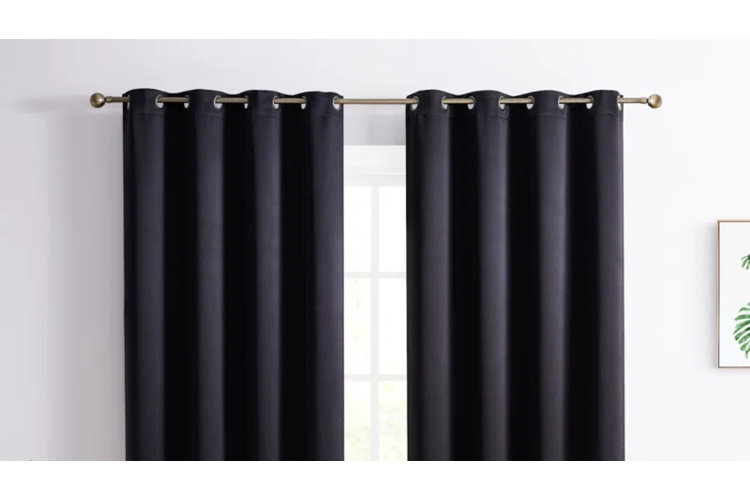
While curtain rods are essential to making your curtains function, they can also impact your room's style and make a huge difference in your windows' finished look. Hanging your window treatments from decorative curtain rods can take your home decor to the next level, so keep reading to learn all about the different types of curtain rods and how to complement them with the right hardware and accessories.
Key Takeaways
- Choose rod type based on window-style: Single rods work for most standard windows, double rods allow layering, bay window rods fit angled windows, tension rods require no drilling, and curtain tracks offer a sleek, modern look.
- Match rod strength to curtain weight: Standard rods support lightweight to medium curtains, while heavy drapes require thicker rods with weight capacities of 20–45 lbs.
- Extend rods 3" – 6" beyond the window frame: Extend the curtain rod on each side of the window to make it appear larger and to allow curtain stacking without blocking light.
In this guide:
Types of Curtain Rods
Single Curtain Rod
Double Curtain Rod
Curtain Rod Hardware & Accessories to Consider
Frequently Asked Questions
Types of Curtain Rods
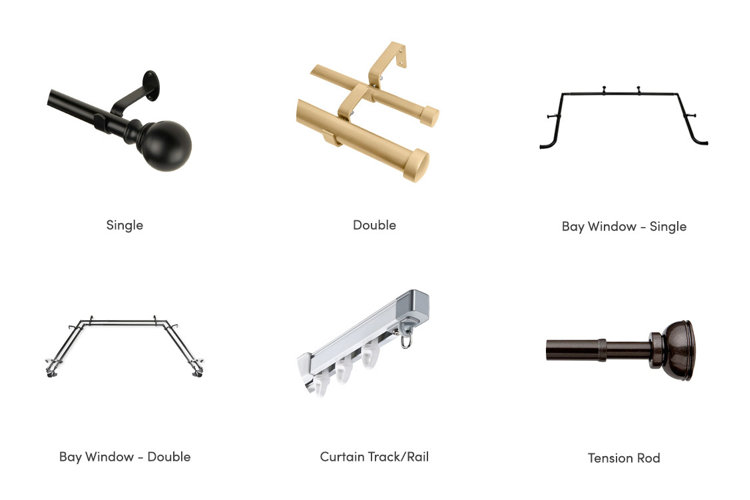
There are six types of curtain rods: single, double, bay window - single, bay window - double, curtain track/rail, and tension rods. These rods are available in a range of materials including plastic, wood, and metal in finishes including bronze, brass, silver, stainless steel, and more.
Single Curtain Rod
One of the most common types of curtain rods – a single rod – is a lone bar mounted at the top of a window. It threads through the rings, grommets, or pockets of curtains or drapes to hold them in place.
Most single curtain rods are straight and rest freely on wall-mounted brackets, while others feature a 90° angle on either end and mount directly to the wall. These curved styles of single curtain rods, called French rods or return rods, block out more light than basic single curtain rods because they allow the curtain to sit flush against the wall. Standard single curtain rods are capped on either end by finials – ornamental, knob-like structures that can often be removed and replaced for different styles.
Double Curtain Rod
Double curtain rods are similar in design to single curtain rods – most resting on wall-mounted double curtain rod brackets and capped by finials. Double rods allow you to layer window treatments for a more dramatic, decorative look. Typically, the back curtain is sheer while the curtain on the front rod blocks the light. These rods come as a set of two: a shorter back rod with simple finials and a longer front rod with more decorative finials. Double curtain rods will often come with matching double curtain rod brackets. To ensure your double curtain rod comes with mounting brackets, check the "Product Overview" or "Specifications" tab on the product page.
Bay Window Curtain Rods
As the name states, these curtain rods are built specifically for bay windows. Instead of buying a separate curtain rod for each of the three sections of the bay window, this allows you to install one rod to fit them all. These are typically available in both single and double rods, and most come with adjustable arms so they can easily fit the angle of your windows. Some even come with adjustable widths. Check the product page's "Product Overview" tab to see if this is an option for the product you are interested in. We recommend measuring your windows first before buying anything. Read How to Hang Bay Window Curtains when you are ready to hang them.
Curtain Track/Rail
As a sleek, understated alternative to traditional curtain rods, rail curtain rods feature clips or hooks that sit on a track within the rod. The tops of the curtains are then attached to the clips or threaded through the hooks, allowing the clips or hooks to glide easily across the track. Curtain tracks come in straight tracks, curved tracks, and even ceiling-mounted tracks.
Tension Rods
Tension curtain rods don't require mounting hardware since they use the force of tension to stay within the window frame. Tension rods are adjustable and easy to install, making them a popular no-drill option for renters or those looking for a temporary DIY. However, tension rods are best used with lighter curtains.
How to Choose the Right Curtain Rod
Selecting the right curtain rod depends on several factors. Follow this checklist to find your perfect match:
1. Measure Your Window
Determine the width of your window and add 3" – 6" on each side for proper curtain stacking.
2. Assess Curtain Weight
Choose a rod that can support the weight of your curtains. Lightweight sheers work with any rod. Medium-weight curtains need 3/4" – 1" diameter rods, while heavy drapes require 1 3/8" rods or tracks with higher weight capacities.
3. Consider Your Window Type
Single or double rods work well for standard windows. Bay windows require angled rod systems and tension rods can be used with inside-mount windows.
4. Evaluate Mounting Options
Determine if you can drill into the walls. If you can, wall-mounted brackets are the sturdiest solution – if you can’t, opt for tension rods, which do not require drilling.
5. Match Your Room Style
Select finishes and finials that complement existing hardware, light fixtures, and decor.
6. Decide on Layering
If you want to layer sheer and blackout curtains, opt for a double rod system to support the weight.
7. Check Ceiling Height
Mount rods 4" – 6" above the window frame (or at ceiling height) to create the illusion of taller windows.
Curtain Rod Hardware & Accessories to Consider
Consider these curtain rod accessories and hardware options for added flair or function.
- Holdbacks & Tiebacks: Looking to further elevate the aesthetic of your curtains? Tie them back with decorative holdbacks and ties that are available in a variety of styles, materials, and finishes.
- Mounting Brackets: If your curtain doesn't come with mounting brackets, you will need some to hang them. The brackets need to be installed into the wall and will require tools to do so. Read How to Mount a Curtain Rod: Your Go-To Guide to Different Installation Methods for step-by-step instructions.
- Finials: These decorative ornaments are mounted to the end of curtain rods to add an extra flair while capping off the rod.
- Curtain Rings: If your curtains don't have grommets or rod pockets, or if their holes are the wrong size, you may need to use curtain rings to mount them on your curtain rods. These rings slide onto the rod and feature clips that easily connect to your curtains.
Tip!
Need help choosing the right curtain rod size? Check out our guide How to Measure for Curtain Rods.
Frequently Asked Questions
What are French rods used for?
French rods, or return rods, are used to block out more light by allowing curtains to sit flush against the wall.
How do tension rods stay in place?
Tension rods use the force of tension to stay within the window frame without any mounting hardware.
What is included with double curtain rods?
Double curtain rods typically include a shorter back rod with simple finials, a longer front rod with decorative finials, and matching double curtain rod brackets.
