How Long Do Sofas Last? Average Lifespan by Material, Quality & Use
The life of a sofa.
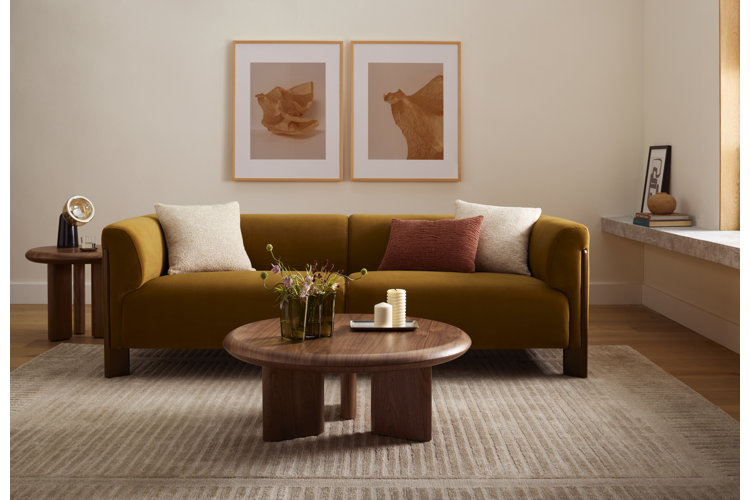
Sofas last an average of 7–15 years, although the lifespan of a specific sofa depends on several factors. If you’re looking to get the longest use out of a new sofa, you’ve come to the right place. In this guide, we’ll discuss what contributes to a sofa’s lifespan, when it’s time to replace one, and how to choose a long-lasting sofa. Read on for a better understanding of how long sofas last.
At a Glance: How Long Do Sofas Last on Average?
- Average Sofa Lifespan: 7–15 years
- Budget-Sofas: 3–7 years
- Mid-Range Sofas: 7–10 years
- High-End Sofas: 10–20 years
What Affects the Lifespan of a Sofa?
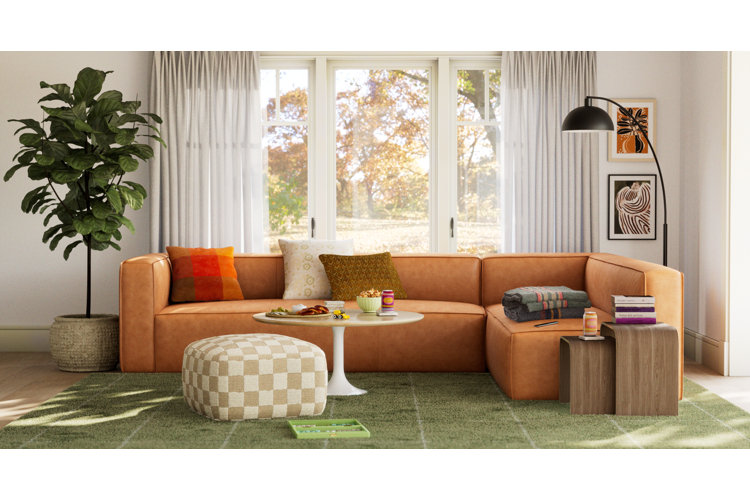
Each sofa is different, so there are several factors that will determine how long a sofa will last. Here are the core contributors to a sofa’s lifespan.
Frame Construction
A sofa’s frame is the inside structure that gives it its shape. Sofa frames are typically made out of hardwood, furniture-grade plywood, or metal. Any of these frame materials will provide sufficient support, with kiln-dried hardwood or metal being the most durable options. Avoid sofas with a particle board frame, as these are more prone to warping and breakage.
Cushion Fill
The material and density of cushion filling in a sofa can help determine how long it will last. Typical cushion filling options include foam, down feathers, or polyester fibers. While polyester fibers are the most budget friendly-option, it doesn’t hold up well with frequent use for long periods of time. Down filling is a luxurious, ultra-plush option, but can be high maintenance and not the best option for busy households. Sofas with high-density foam cushions tend to stand up best to the test of time.
Upholstery Material
Some fabrics are more durable than others, which affects the overall lifespan of your sofa. Here are some common sofa upholstery materials and how they fare over the years.
- Cotton: A favorite for its breathable comfort, cotton is only a moderately durable upholstery material. A cotton with a tighter weave will be more durable, but these sofas typically only last between 5–10 years.
- Linen: This is another natural upholstery fabric, loved for its moisture-wicking breathability. Because linen is a natural material, it will soften over time. This fabric is also sensitive to sunlight and prone to wrinkling. A linen sofa in a heavy-use household has a lifespan of about 5–10 years.
- Leather: One of the most durable sofa materials, leather sofas are known for their longevity. While faux leather doesn’t last quite as long, a well-cared-for genuine leather sofa can last for over 25 years, outliving any fabric sofa.
- Polyester Blend: Polyester is the most durable fabric upholstery option available, with this fabric typically lasting anywhere between 7–15 years. Polyester blends are commonly used in performance fabrics, which can also be treated to be stain- and liquid-resistant. This makes polyester-blend sofas a great option for high-traffic seating and homes with kids and pets.
Tip!
Read our guide Furniture Fabric Guide: What to Look for When Shopping for Upholstery for a detailed breakdown on popular sofa materials.
Signs Your Sofa Needs to Be Replaced
Not sure if your sofa is near the end of its lifespan yet? The following signs might mean it’s time to look for a new one.
- Visible frame damage
- Saggy or flat cushions
- Persistent odors or permanent stains
- Unrepairable upholstery tears
- Worn or thinning upholstery
- Faded fabric from UV damage
How to Make a Sofa Last Longer
Here are a few tips and tricks you can try to get the most out of your next sofa.
- Rotate & Fluff Cushions: Rotating, flipping, and regularly fluffing cushions can help them maintain their shape and prevent sagging. High-density foam cushions tend to hold their shape for longer, while fiber and down-filled cushions are more prone to sagging. Replace throw pillows every few years to give your sofa a fresh, plump look.
- Clean Upholstery Regularly: Give your sofa a regular refresh by cleaning the cushions and base. Many removable cushion covers can be thrown in the wash for an occasional deep-clean. In between deep-cleans, keep the cushions and base dust- and dirt-free with regular vacuuming and use an upholstery cleaner for spot-cleaning as needed. Always read your sofa’s manufacturer’s cleaning instructions to avoid damaging the upholstery.
- Use Sofa Covers: Protecting your sofa with a slipcover is one of the most effective ways to preserve the upholstery. Covers protect your sofa from dirt, spills, and wear and tear from the friction of sitting on the cushions. Choose a slipcover sofa, or purchase a separate cover to extend the life of your sofa.
- Prevent Excess Wear and Damage: Follow your sofa’s weight limits to protect the integrity of the frame – this means not using it to seat more people than intended. Avoid jumping or standing on your sofa to prevent structural damage as well.
How to Choose a Long-Lasting Sofa
Follow our tips and tricks when choosing your next sofa for a long-lasting fit.
1. Look for Solid Wood or Metal Frames
Select a sofa with a kiln-dried solid wood frame or a steel frame as opposed to less sturdy options like plywood or particle board. This should be a priority if you have kids or pets in your home, who are more likely to jump or run around on furniture.
2. Choose High-Density Foam Cushions
High-density foam cushions are the most durable option. Go with firm or medium-firm foam cushions for the longest-lasting results. These will hold their shape better and resist sagging for longer.
3. Select Durable Upholstery
Prioritize durable upholstery if your sofa will see frequent use. When choosing a fabric, consider its abrasion rating, which measures how well it can withstand wear over time. Fabrics rated 15,000–30,000 double rubs are considered heavy duty and can handle most busy households, while 30,000+ double rubs offer extra durability for homes with children and pets. Fabrics with fewer than 15,000 double rubs are considered medium duty and are better suited for sofas in low-traffic areas, such as formal living rooms.
Frequently Asked Questions
How often should you replace a sofa?
Most households replace sofas every 7–15 years, depending on wear, comfort, and style changes.
How long should a good quality sofa last?
A well-constructed sofa with a hardwood frame and high-density cushions can last 10–20 years with proper care.
Do leather sofas last longer than fabric?
Yes. Leather sofas often last longer than fabric sofas because leather is more resistant to wear, stretching, and tearing.
