Where to Place a Bed in a Bedroom: Layouts for Every Space
Smart layouts for your bedroom.
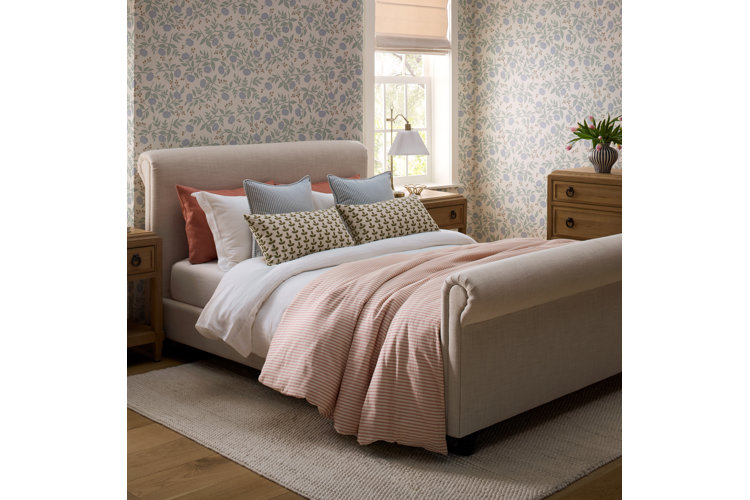
The bed is the anchor and the most important piece of furniture you’ll put in your bedroom, so the right placement is essential. Whether your bedroom is large or small, placing your bed in the perfect spot will help everything else fall into place. Read on to learn where to place a bed in your bedroom for a stylish and functional layout.
Where Should a Bed Be Placed in a Bedroom?
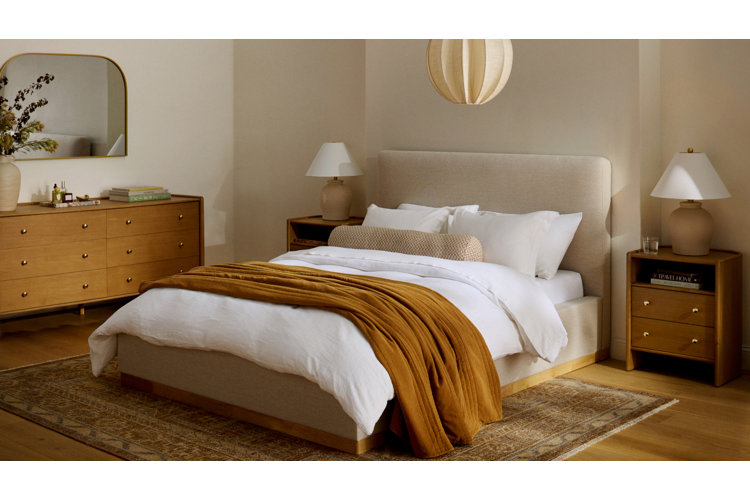
Depending on the shape and size of your room, there are several great options for where to place a bed in your bedroom. Check out these bedroom layout ideas, with some standard and not-so-standard options, to find the perfect fit for your space.
1. Center the Bed for a Balanced Bedroom Layout
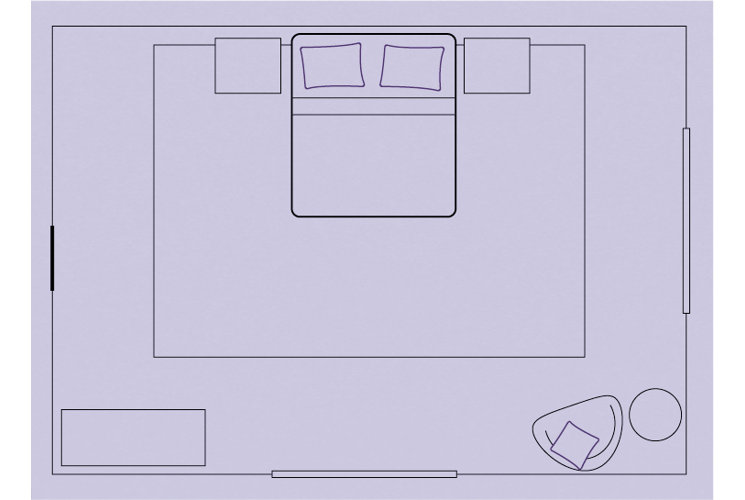
One of the most popular bed placements is centered against the longest solid wall in your bedroom. This placement typically allows enough space to place a nightstand on each side of the bed for a polished look. Create a triangle layout to balance things out by utilizing the two corners on the opposite side of the room. Place a dresser in one corner and a comfortable accent chair and side table in the other for a quiet reading nook. There likely will be one or two windows across from the solid wall, which will help you wake up gently each morning with the sunrise.
Fêng shui is an interior decorating technique that is focused on creating balance, harmony, and positive energy in your home. The commanding position is a concept in fêeng shui where the most important piece of furniture (in this case, the bed) is placed across and off-center from the door and up against a solid wall. This position allows you to see the entire room and the door while in bed, and backed by a solid wall, it helps you feel secure in your space. This technique allows chi – or good energy – to flow freely. Place an area rug centered under your bed to help add more comfort and grounding energy to your bedroom.
Tip!
Let us help you choose the best rug for your bedroom:
- Area Rug Buying Guide: How to Choose a Rug That Meets All of Your Criteria
- What Size Rug for Queen Bed Is Best?
3. Place Your Bed Under a Window
Placing your bed directly in front of a window can have a striking effect on your space. This is a great option for smaller spaces that lack solid wall space. Centering your bed in front of a large window creates an eye-catching focal point and anchor for your room. Layer sheer and light-blocking window treatments on this window to allow you to get proper sleep and to block out excess heat and cold through the seasons. This placement won’t work for every space – if this is the only window in the room, you’ll want to keep it clear so an AC can safely be added and operated throughout the warmer months.
Tip!
Want to try this bedroom layout? Get more tips and ticks on How to Style a Bed in Front of a Window.
4. Offset Your Bed for an Asymmetrical Bedroom Layout
Asymmetrical bedroom layouts can be just as aesthetically pleasing as symmetrical ones, and can enhance visual interest and functionality. Keep some semblance of symmetry in your bedroom by placing a nightstand on either side of your bed and positioning it against the longer wall towards either side of the room. This leaves the other side open for a dresser, vanity, and sitting area. Place a TV stand and TV, or a bookshelf, directly across from your bed. This layout fills out all four quadrants of the room for a balanced look.
Tucking your bed into the corner of the room is a cozy option for small spaces. Not only does this technique make you feel safe and secure, it also allows you to comfortably fit a bed into a tight space, such as a small bedroom, studio apartment, or dorm. This layout uses only one nightstand and places a storage bedroom bench at the foot of the bed to maximize storage space even more. If you want to do this in a larger room, it will free up more floor space for a desk and chair, a sitting area, and wardrobe or dresser.
Another common bedroom layout consists of placing your bed on the same side of the room as your bedroom door. Placing your bed and nightstands against the wall next to your bedroom door maintains a clear path to open and close the door and to enter the room. This also frees up space on the opposite side of the room, an accent chair and side table combo, and large wardrobe or dresser. This layout is simple yet well-balanced for a room that’s easy to move around in.
Angling your bed into the corner of a room is a unique bedroom layout that works well in tight spaces or oddly shaped rooms, such as attic bedrooms. This technique gives you a triangular space behind the bed where a corner shelf can be installed to substitute for traditional nightstands. Utilize the other corners of the room with a corner desk or vanity, comfortable seating, and a small dresser. This layout leaves open floor space in the center of the room, which can help make a small space feel more spacious.
Frequently Asked Questions
1. Is it okay to place a bed under a window?
Yes, placing a bed under a window can work well, especially in small bedrooms, as long as you use proper window treatments for light control, insulation, and comfort.
2. Can you put a bed in the corner of a bedroom?
Yes, tucking a bed into a corner is a practical solution for small bedrooms, studios, or dorms, helping maximize floor space while creating a cozy feel.
3. Should a bed face the bedroom door?
A bed should not be directly in line with the door if possible, you should try to set it off to the side of the direct line from the door. Placing it on the same wall as the door or offset from it can still create a functional and balanced layout.
