What Is Moody Interior Design & How to Recreate This Chic Style
Settle into dark & moody interiors.
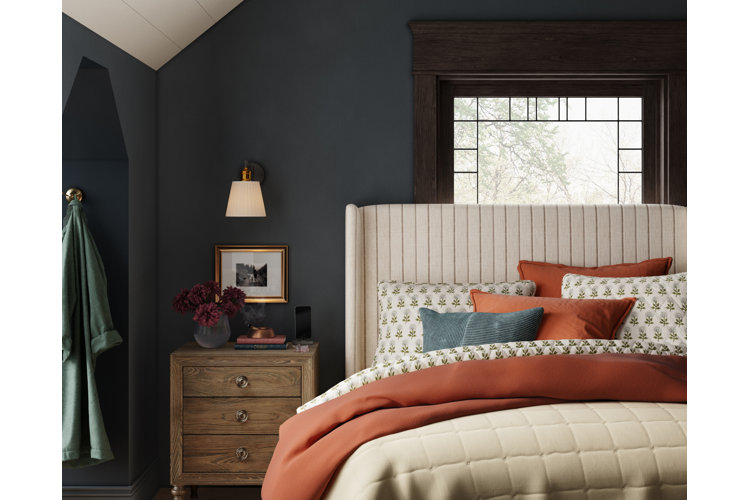
If you're looking to make a stylish statement, try embracing darker hues with moody interior design. The thoughtful balance between deep colors, dramatic silhouettes, and soft textiles creates an atmospheric space where you’ll feel like curling up and settling in. Find out more about this chic design style and how you can recreate it yourself by reading below.
What Is Moody Interior Design?
How to Perfect the Art of Moody Interior Design
What Is Moody Interior Design?
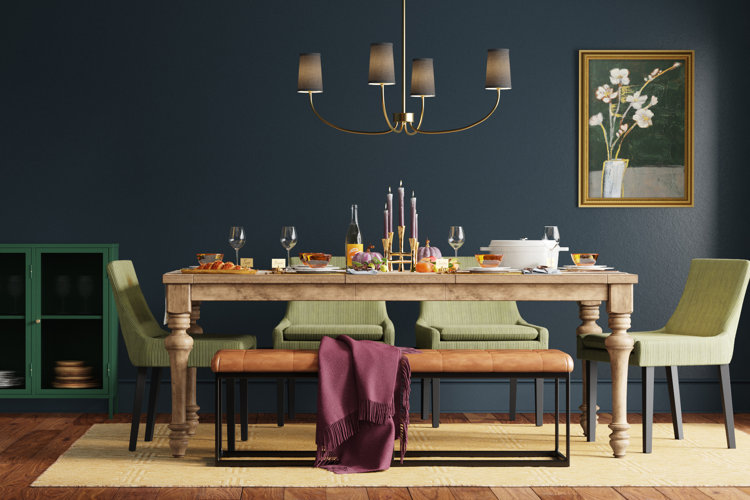
Moody interior design is known for having a dark color palette that fills the room with cozy ambience and ample style. Choosing dark wall colors and upholstery adds a sophisticated (and sometimes mysterious) feel to your home, while soft textiles and atmospheric lighting help balance the intensity of a moody color palette.
Though moody design can feel like a current trend, using a dark color palette is versatile and timeless. Colors like black or dark gray are easy to style and have a similar neutral appeal, while bold jewel tones like deep navy or burgundy add a stylish wash of color.
Moody interior design can also complement a variety of styles, such as farmhouse, boho, or transitional. To help you implement parts of moody design into your existing aesthetic, here are a few core tenets that make up this design style:
- Dark color palette
- Atmospheric lighting
- Dramatic details
- Cozy textiles
- Rich materials
How to Perfect the Art of Moody Interior Design
Keep reading to learn more about how to elevate your space with this design style for a bit of drama. From whimsical wallpaper to rustic wood finishes, here are our tips for bringing moody interior designs to your home.
1. Create a Moody Color Palette
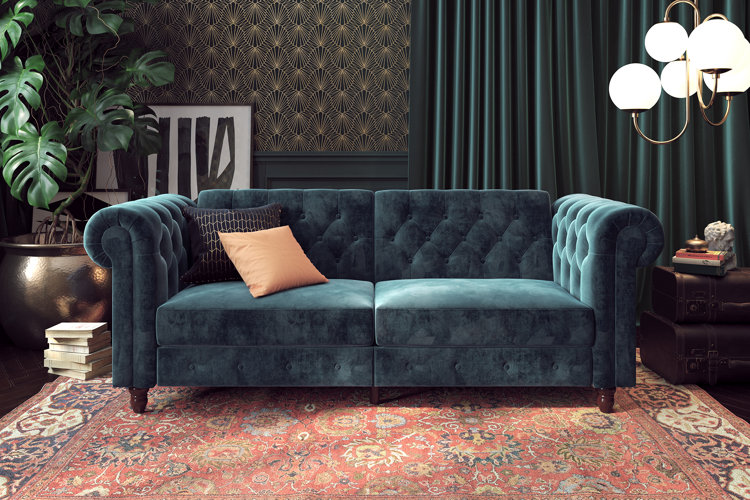
The color palette is one of the most defining parts of moody interior design. A moody color palette typically includes dark colors like black, navy, forest green, or eggplant. These rich hues absorb light rather than reflecting it (like a crisp white wall would), giving the space an incredibly cozy and inviting feel. While painting your walls is the most popular way to add a wash of dark color, you can also choose moody wallpaper, roll out area rugs, or opt for dark upholstery for your sofa.
With dark wall colors, it's important to carefully consider which lighting fixtures will work for your space. Not only do they illuminate the room, they can also add stylish contrast against the dark walls. Think about how you'd like fixtures to stand out or blend in. For example, a sputnik-style chandelier with a matte black finish would create a subtle juxtaposition with navy walls, while a white fabric shade would pop against a dark background.
Tip!
Adding wall sconces is a great way to amp up the illumination. Look for sconces with fabric shades to increase ambient lighting, or pick sconces with metal shades for the right amount of task lighting above the sofa or beside your bed.
Rather than just using paint to create a moody atmosphere, patterned wallpaper can bring texture and dimension to everyday spaces. There are plenty of types of wallpaper to choose from, which makes it easy to find one that suits your aesthetic.
If you're looking for a way to soften the dark colors, floral patterns add movement and natural appeal. We love the symmetrical floral design in the photo above (especially when paired with the antique-inspired vanity and patterned floor tile).
Lean into the boldness of a moody wall color with a bit of maximalism. Because dark hues already fit well into a traditional-style color palette, it's easy to take a classic route. Think Chesterfield sofas, mismatched patterns, and chandeliers with glittering crystal details. These elements come together for an elegant-yet-eclectic look that moves beyond trends and feels timeless.
Balancing light and dark pieces can keep moody spaces from feeling too gloomy. Choose large pieces in lighter shades to contrast dark walls. Roll out a cream or beige area rug to anchor the space with a bright neutral base. Soften dark walls with light wood finishes throughout the space, focusing on pieces of furniture like coffee tables or bookcases to set the tone for the room.
Because this design style is made to evoke a certain mood, coziness and comfort can be key factors when styling the space. Textiles bring the warmth needed to make moody spaces feel more welcoming. Roll out a woven rug to add some softness underfoot and tie a seating area together, and toss plush blankets over the chairs and sofas so that you can cover up whenever you want to get cozy.
Elevate your moody interiors by continuing a dark wall color up to the ceiling. The all-over wash of dark color can make the space feel more intimate and can even make your ceilings appear taller. To add texture overhead, line the ceiling with faux beadboard paneling. This subtle addition breaks up the dark paint and gives your space a cozy, cottage-like feel. In the photo above, the beadboard ceiling has a stripe-like affect that complements the floral wallpaper.
While many moody wall colors are styled like versatile neutrals, why not try a vivid jewel tone for a stylish departure? Opt for a dark, vibrant shade of blue, green, or purple to find the right juxtaposition between vivid and mysterious. In the bedroom above, the striking navy walls are the perfect backdrop to the subdued neutrals throughout the room. To carry on the wall color, create a bit of an illusion by choosing thick drapes in the same shade as the walls. This adds a subtle bit of depth, but doesn't break up the bold navy.
Another way to style moody interiors is to let the dark walls shine. In this minimalist approach, look for sleek silhouettes and soft neutrals to streamline the space. If the wall color leans toward the cool side, make sure to mix plenty of cold and warm neutrals to give the space an inviting touch (like in the image above). Warm up the space even further with cozy textiles and a pair of matching wall sconces.
Combining moody interiors and monochromatic palettes is a sure way to design a chic space. Start by choosing your primary color (like the deep green in the photo above) and work within shades lighter and darker than this hue to achieve a monochromatic look. Coordinate the colors of your bedding or upholstery to the walls for an intentional approach, and include an array of neutrals to support the atmospheric green details.
Tip!
Read our guide 16 Monochromatic Rooms: Easy Ways to Achieve Monochromatic Interior Design to find more tips.
12. Look for Luxe Details
With dark walls comes a bit of glamour, so it's easy to gravitate toward luxe pieces. Give your space an upscale feel by choosing furniture with premium materials, such as a marble-top desk or supple leather chairs. Don't forget to top the desk with a statement lamp for a glam touch (and ample task lighting to tackle your to-do list).
Best of all, moody interior design can be as polished or whimsical as you'd like. The deep hues add the perfect amount of coziness and drama, but they remain a versatile base for showing off your personal style. You can take the key components of moody interiors like dark walls or richly-colored upholstery and apply them to your home. In the photo above, we love how the dark botanical wallpaper pairs with the graphic floor tile and shining brass hardware for a fun, transitional-style bathroom.
