How to Measure Flooring for Installation
Our editors show you how to determine exactly the amount of flooring to purchase for your next project.
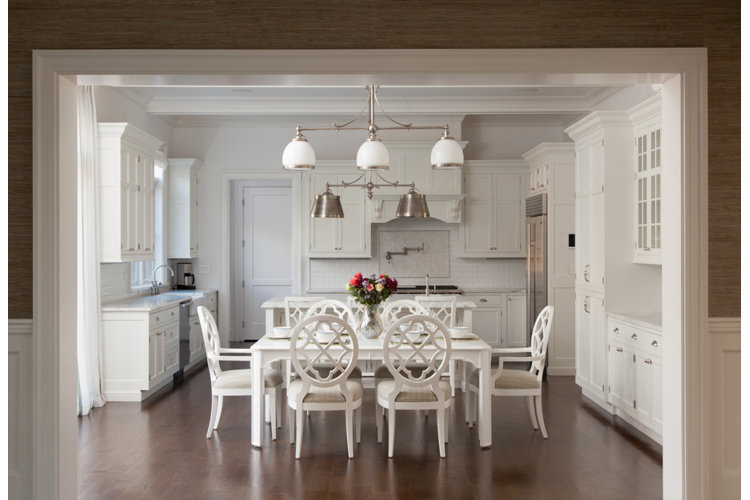
Design:Duneier Designs
Installing flooring yourself can save hundreds if not thousands of dollars compared to hiring a professional. That said, there are a few differences in how a floor is measured. Materials, layout, and even style preferences all impact the final measurement of a room. We've assembled some basic tips and tricks to help make sure your next flooring project isn't hindered by measuring difficulties.
MEASURING the area
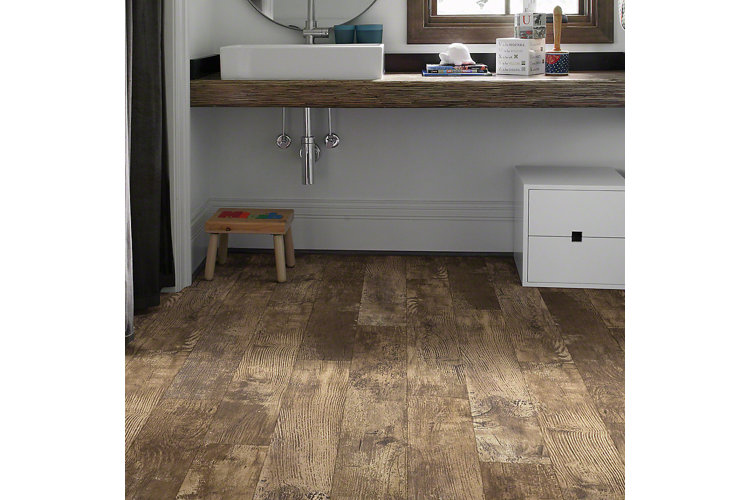
The Main Area
To measure the amount of flooring materials needed calculate the square footage of each room in which you want to install flooring, and then add on the amount of possible waste. Use a tape measure to determine the room’s length and width. You are trying to create a square or rectangular perimeter, so abnormal protrusions—doorways, closets, inlets, etc.—should be disregarded Then, multiply the length by the width to get your square footage. For instance, if the room is 15-feet wide and 15-feet long, you will need enough flooring for 225 square feet. (15×15=225)
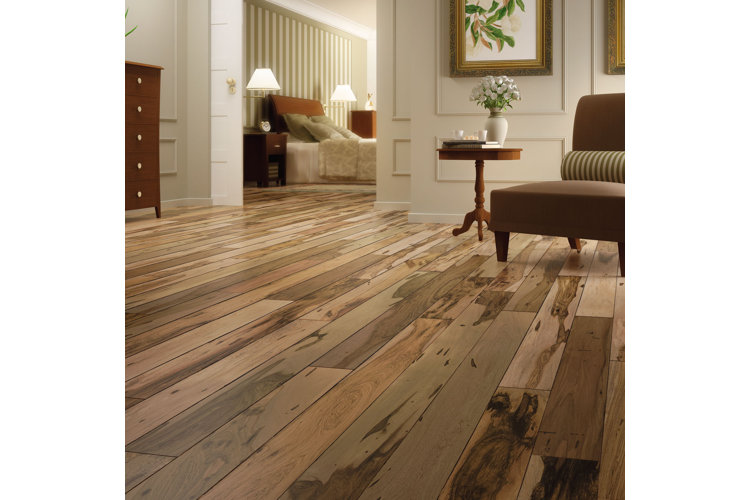
Irregular Areas
Next, those irregular areas (room protrusions that fell outside the area measured) should be calculated in the same manner as the area—length multiplied by width. Add that measurement to your first to get the total area of your room.
Tip! When in doubt, always round up. Especially when doing projects yourself, it is always better to have extra on hand rather than be left without enough.
ADD THE WASTE
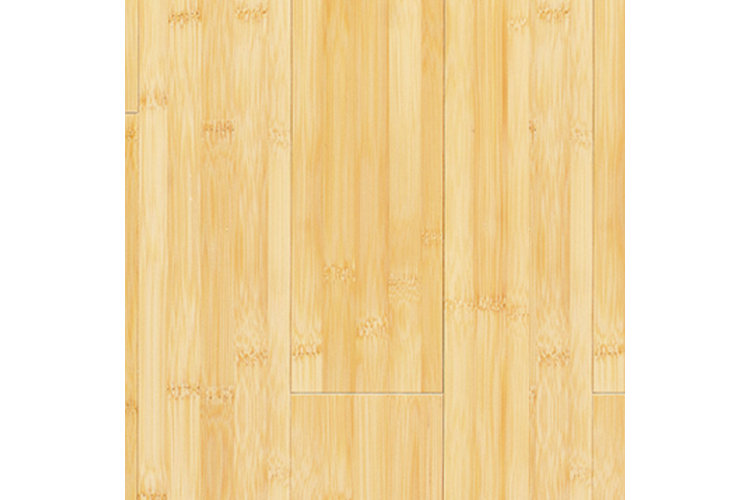
Hardwood
Because of the nature of flooring, there will undoubtedly be some waste. If you are installing hardwood flooring you should allow for about 5-percent waste. Add this extra amount to the area of your room to get the total amount of flooring needed.
Laminate
Laminate flooring should ideally be centred on a floor area, which creates corner waste. Additionally, laminate flooring often comes in boxes or crates, so for this type of flooring about 10-percent waste can be expected.
Hardwood on a Diagonal
If you plan on installing your hardwood floor at an angle, or in an elaborate design, there will be more waste than if installed in a straight pattern. Depending on how elaborate the design, a minimum of 15-percent of waste should be added.
Tile
Depending on the size and type of tile installed, about 20-percent waste can be expected. This should be factored into your final measurement for installation. Especially for tile work, where edges and grout work can accentuate the lines of the tile, most often tiles are aligned in the middle of the room or in a geometric pattern, creating more waste than other flooring options. The more complex the pattern, the more waste percentage you should factor into your final measurement.
