22 of the Best Bathroom Plants for Your Home
Take your pick from the best bathroom plants.

When buying a house plant, you have to consider the type of soil, how much water, and the amount of light it will need, but one thing people don't often consider is humidity. There is a broad array of plants that will thrive in the warmth and humidity your bathroom has to offer, many of them being so low-maintenance you can even forget about them on occasion! A green thumb is one thing, but if you are looking for low-effort greenery that you won't have to remember to water, these are the best bathroom plants for you.
1. Spider Plant
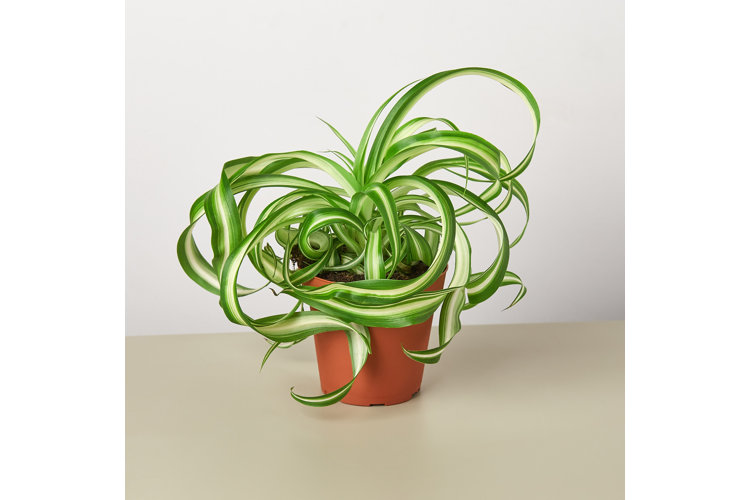
Looking for a low-care level plant that is easy to maintain? The spider plant is a great no-fuss option that can tolerate both low and bright light (just not full sun). The cool bright white and green striped leaves will look fantastic trailing out of a hanging planter.
Tip!
If you have only low or weak light in your bathroom, you would do well to select low-light indoor plants. Read 11 Low-Light Indoor Plants for Your Home to learn more about shade-loving plants.
If a tropical vibe is more of what you are after, the bird's nest fern is the best bathroom plant for you. This leathery leafy green fern is one of the easiest to keep alive indoors and will love all the extra moisture your bathroom has to provide. It requires only moderate, indirect light, so don't place it directly on a window sill, hang it up using a wall planter instead.
Ferns typically make great bathroom plants, the Australian kangaroo fern included. These varieties prefer the mist and humidity found on the forest floor, making your bathroom the next best thing. Kangaroo ferns prefer indirect sunlight and grow side-to-side rather than straight upward. For this reason, you might want to put it in a floor pot planter where it can spread out its glossy dark green indented leaves.
Another one of the best plants for the bathroom is the air plant. As a drought-resistant plant, it prefers high humidity and bright indirect light, so perch it near a bathroom window. Additionally, this unusual species doesn't have roots but instead absorbs nutrients and water from the air – hence the name air plant. Thanks to this unique structure and no need for a pot, you can pick fun ways to display yours such as a terrarium, display shelves, or even a wreath.
One of the best plants for bathrooms with no light is the golden pothos. It is a quick-growing vine that can thrive in moderate to low indirect light, and is easy to care for since it can tolerate irregular watering. If you want a hardy plant, this is it. The golden pothos plant displays lush heart-shaped leaves that trail beautifully over shelves or hanging planters, adding a moody and luscious feeling to your bathroom.
Not only is the name interesting but the calathea rattlesnake plant is snazzy looking too! It requires medium indirect light and a moderate to a more humid environment – so if you like to have long steamy baths or showers, this is the best bathroom plant for you.
The beautiful dark leaves with unique ripples of the rattlesnake are sure to bring visual intrigue to any space.
Also known as the Lady Valentine, the Chinese evergreen is an easy plant to maintain. It can tolerate any indoor condition, loves humidity, and can thrive in low indirect light as well as in bright spots. The Chinese evergreen can even survive even when you forget to water it, making it ideal for frequent travelers. Place it in a pretty pot right on your windowsill to display those large pink and green patterned leaves as much as possible.
Anyone who knows a thing or two about medicinal plants will know that the gel found inside of aloe leaves can be used to soothe sunburn and skin irritations too. This fleshy spiky leafed plant has been used as an antiseptic and for mild relief for millenia, and it is so simple to grow – in fact, you only have to water it every two to three weeks. It does, however, require bright and direct sunlight for ideal growing conditions, though indirect light will be fine too. Simply place this houseplant in your bathroom for a touch of functional tropical decor.
If you are looking for a plant that is nearly impossible to kill, the snake plant is for you. This exotic-looking species can live in any humidity level and tolerates both low or bright indirect light (although it grows faster in bright light). Since the snake plant can handle desert-like conditions, it needs very little water, making it a fantastic and non-finicky option.
Spruce up your bathroom with the calathea Freddie. Like most other calatheas, this variety flourishes in humid environments, making it a fantastic option to hang from your shower rod or above the bath. The Freddie is better kept in moderate indirect light and is more tolerant of low light than many others in this family. Its soft green leaves in their range of green hues will make for an interesting addition you and your guests are sure to appreciate.
Choose the watermelon peperomia plant for bathrooms that receive both ample light and plenty of humidity. It flourishes best in warm temperatures while receiving regular misting, and requires medium to bright indirect light (don't leave it in direct sun). The lovely watermelon peperomia blooms in all pink flowers and can grow to be very large, so be mindful of the size planter you place it in.
The prayer plant is so named because of the way its leaves fold up and down throughout the day and night, mimicking praying hands. It requires bright indirect light (direct sun can scorch it), and while this is a great bathroom plant, thanks to its need for humidity, the lemon lime prayer plant does need constantly moist soil (but never soggy or wet). For the most impact try using a yellow planter to complement its tropical neon striped fronds.
When it comes to ferns, the Boston fern is another good option for bathroom plants. Since it is native to swamps and damp forests, this fern prefers high humidity levels and would typically require additional misting if situated outside a steamy spot like the bathroom. It is best placed in bright indirect sunlight (both direct sun and too much shade will affect the leaves), and is sensitive to extreme heat and cold. To accentuate those deep green fronds, get a hanging planter that will allow them to drape over the sides.
As far as slow-growers go, the zebra plant is up there, making it ideal for keeping indoors. It's used to growing under canopies in warmer climates, making the zebra plant fantastic for the bathroom since it thrives on low light and above all – high humidity. As far as maintenance goes, there is a little more finesse required because it prefers consistently moist soil. To accomplish this, you can water it to saturation (always underneath the leaves) every few weeks using lukewarm water.
There are few house plants that are as tough as the ZZ plant. This drought resistant species is nearly indestructible and can grow up to three feet tall if properly cared for. The ZZ plant excels in almost any light conditions (including under fluorescent lights), and only needs watering every two or so weeks. In fact, it is better off with less water than too much. If your home is on the drier side, the bathroom is the right location for one of these plants.
Lucky bamboo is said to bring good fortune, so it's not just a great bathroom plant but a good one to have in your home! This is a low-maintenance plant that can be purchased in either potting soil or in pebbles and water. In the case of the latter, you need to change out that water every two to four weeks (or if it begins to smell). Bamboo is good for low-light spaces (but can also do well in filtered light) and prefers warmer temperatures, so you can keep yours in a glass vase in your bathroom where it can both enjoy the humidity and create a spa-like feeling.
Did you know the flowering bromeliad guzmania is related to pineapples? This hardy plant prefers humidity and grows best in medium to bright indirect light (so make sure your bathroom has a window). What's incredible about the bromeliad guzmania is that in the winter it blooms with red, pink, or yellow blossoms that last for weeks – making it the top flowering bathroom plant for those dreary gray months. And don't worry if you forget to water yours every now and again because the bromeliad gumania is tolerant of dryness!
Clean your bathroom air with English ivy. It is fairly easy to take care of since it does better with slightly drier soil in areas with medium to high humidity, as well as bright indirect light (and can even live under artificial light since it naturally grows in the shade). This climbing vine features classic fan-shaped ivy leaves that are fantastic creepers up most surfaces. Make sure to hang yours from high so the trailing vines can spill down for a dramatic effect.
Bathroom humidity is ideal for a majesty palm (as long as you can fit a larger plant in there). Since it is a jungle native, it is important to keep the palm's soil from drying out. The majesty palm can handle lower light but does best in sunny locations, so you should only choose it if you have a bright, well-lit bathroom. Make sure to use a large planter because this baby can grow up to between 10 and 12 feet tall.
Keep your bathroom air clean and smelling great with the Peace Lily. As a tropical flowering plant, it is ideal for a humid bathroom with plenty of sunshine. Do make sure to keep the soil moist (the lovely white flowers will wilt in dry soil) and if you find yours isn't blooming, move it to a slightly brighter location.
Bring natural grandeur to your bathroom with the monstera deliciosa. This is one of the most popular houseplants you can get, and is known for its iconic heart-shaped split leaves. The monstera can live in an array of environments, the bathroom included, and should be placed in a well-lit corner where it can reach towards the sunlight. You only need to water yours every one to two weeks while you enjoy the touch of wildness this plant will bring to your indoors.
The blooming anthurium, also known as the flamingo flower, tail flowers, and painter's palette, features glossy heart-shaped leaves. The unique flower blooms in an array of colors including black, red, salmon, purple, blue, green, and orange. If given enough light and water (bright indirect light and high humidity), the anthurium can bloom year-round. As an added bonus, the leaves will tell you exactly what your plant needs – with yellow tips meaning too much water or humidity and brown tips meaning more humidity is required.
Take your pick from any of the best bathroom plants we have listed here and create a beautiful green oasis for yourself.
You Might Also Like:
