Average Shower Curtain Size
Understand the average curtain size.
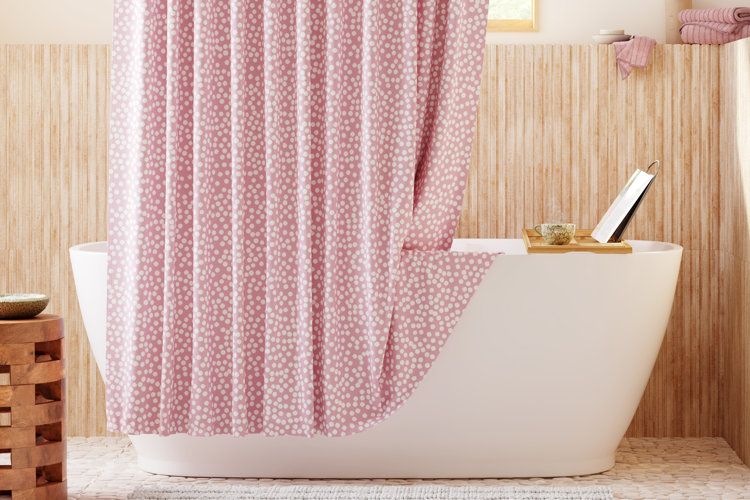
When decorating your bathroom, choosing the correct shower curtain size is just as (if not more) important than the style. Read on to find out about the average shower curtain sizes and how you can pick the right one for you.
What Is the Standard Shower Curtain Size?
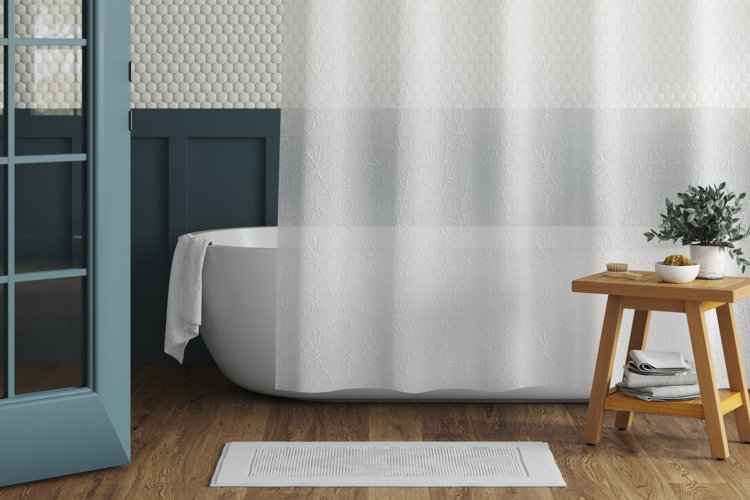
(Shop this image: white shower curtains, soaking bathtubs, teak shower benches, bath towels, and white bath mats)
The most common size for standard shower curtains is 72" x 72". This size fits around a 60" tub, with an extra 12" for complete coverage. A standard shower curtain covers the tub, extends to the floor, and accommodates most tubs and shower designs.
Tip!
It's acceptable for the shower curtain to be wider than you need, but not longer, as the extra fabric will gather and pool on the floor.
Why Is Size Important?
A shower curtain serves both aesthetic and functional purposes. The right one can enhance your bathroom style, complement the decor, and even give a more modern look on a budget. At the same time, shower curtains work to protect your bathroom floors by keeping water within the shower, preventing slippery tiles, and giving your privacy while you bathe.
There are a range of shower curtain sizes to choose from, which is why it is vital to select the right one – and not just because the incorrect size will appear off in your bathroom. A curtain that is too small will not sufficiently cover the shower, require constant adjustments, and allow water to spill onto the floor. A shower curtain that is too large will have excess fabric that bunches on the floor and thus has difficulty drying, and can even cause a tripping hazard. For these reasons, it is in your best interest to take the time to correctly measure and select the correct shower curtain size rather than guessing and making a mistake.
How to Measure Shower Curtain Size
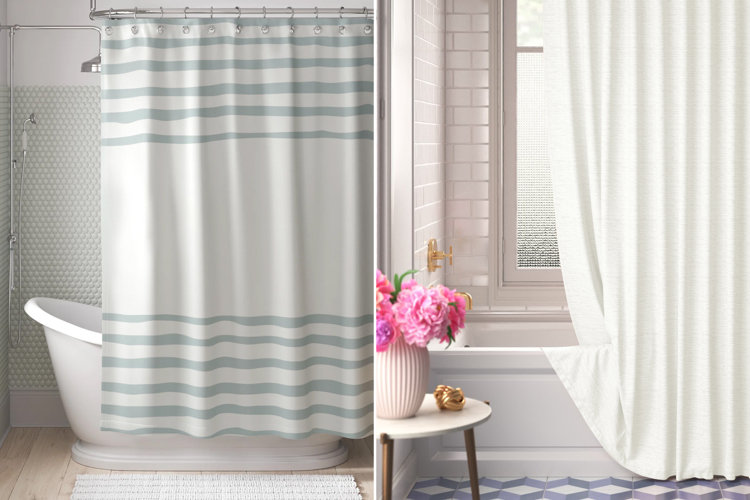
(Shop this image: striped shower curtains, single-slipper bathtubs, patterned bathroom tile, nickel shower systems, and linen shower curtains)
There is a vast selection of shower curtains to choose from, so the first thing you can do to narrow down your search is measure your shower to establish the best curtain size – especially if you are unsure if the standard shower curtain size will fit. Though standard-size shower curtains are designed to fit most showers, taking key measurements can help you find one that fits your space – especially if you’re working with a custom shower.
Step 1: Measure the Width
Begin by measuring your shower from wall to wall – or if you already have a shower rod installed – from one end of the rod to the other. Add 12" to the width measurement of your shower.
You want the shower curtain to be slightly wider than your shower so that the fabric hangs in folds rather than completely taut when closed. This width will also keep water from seeping around the edges of the curtain.
Tip!
If you have an oversized shower, you can buy two shower curtains and hang them together for total coverage.
Step 2: Measure the Length
When measuring your shower curtain length, it's important that you don't start from the ceiling, but rather from the shower rod to the floor. The bottom of the shower curtain should ideally hang at least 1" – 2" off the floor to prevent the fabric from pooling and potentially creating mold, mildew, or a tripping hazard. It is best to start at this height off the floor and reach up to the shower rod (for hookless shower curtains that simply slip over the rod itself) or the rings (for shower curtains with hooks).
In short, to ensure your curtain hangs off the floor, you can subtract up to 10" from the length measurement for a good fit. If you can't find a length that matches these measurements, remember it is possible to raise or lower the shower curtain rod as needed.
(Shop this image: geometric shower curtains, freestanding bathtubs, striped wallpaper, wicker baskets, and pedestal sinks)
There are additional tips and considerations to take into account when measuring different types of showers and tubs.
Think About Your Shower Design
While measuring your shower, there are shower setups that may require slightly different measurements.
Freestanding Tub-and-Shower Combos: Although the shower curtain length for a freestanding tub-and-shower combo should be the same as any other – short enough to keep off the floor and long enough to cover the sides of the tub – the width will likely be different. It is best to measure around the exposed sides of the tub/stall that the curtain will cover and add an additional 12" to ensure the curtain hangs with folds and not taut when pulled closed.
Shower Pans: The standard shower curtain should hang at least 6" or more below the rim on the tub to prevent water spillage. The same is not true for walk-in showers equipped shower pans as they have their own lip to keep water from spilling out. The best rule of thumb is to ensure the curtain edges are at least 1" below the lip.
Consider Specialty Sizes
If you have a custom, oversized, or stall shower, the average shower curtain size may not be enough. The best option in this case would be a specialty shower curtain size to do the job. Remember though that your tub/shower measurements will not exactly match those of the curtain, meaning you will have to make a judgment call to select the size that will fit best. The most important thing to account for is the correct length.
Long: A long shower curtain measures 72" x 84". If a standard shower curtain is too short for yours, it won't prevent water spillage. In this instance, you would be better off selecting a long shower curtain to match that additional length.
Extra-Long: Measuring at 72" x 96", extra-long shower curtains work well for walk-in showers as they do not have the tub sides for the curtain to fall back on. Additionally they are suitable for large showers and bathrooms with very high ceilings. Shower curtains this length can also make a bathroom appear larger, block out noise, and even keep moisture away from the rest of the bathroom.
Stall Shower: Stall shower curtains measure 54" x 78", as these showers are taller and skinnier than their standard counterparts. They are typically shorter in width but longer in length, which is why you should ensure the stall shower curtain length falls low enough to prevent wall spillage but not so much that it drags on the floor.
Account for Shower Rods
When measuring curved shower curtain rods, you should account for the full length which is usually around 6" longer than standard rods. More often than not, a 72" shower curtain width will suffice, though you will only be left with 6" of free-moving fabric.
Other shower curtain rods, such as L-shaped, D-shaped, or enclosure designs, may require more than two shower curtains for complete coverage. For these styles, measure the total width needed to enclose the shower area and add at least 12" to that measurement.
Add a Shower Curtain Liner
The shower curtain liner usually measures the same as the average shower curtain size. The purpose of a shower curtain liner is to extend the life of your regular shower curtain by sitting inside of the tub itself and handling most of the water while preventing spillage. This helps to keep the shower curtain from absorbing too much water, as they are usually made from a more water-repellant material. Ideally they should have about 5" – 6" longer than the top of the tub.
Tip!
The best way to protect your shower curtain from mold and mildew is with a shower curtain liner. For more information on cleaning shower curtain liners, read our guide: Cleaning 101: How to Clean a Shower Curtain and Liner.
