Duvet Insert Buying Guide: How to Choose the Right Warmth, Fill & Loft
Step-by-step duvet insert shopping.
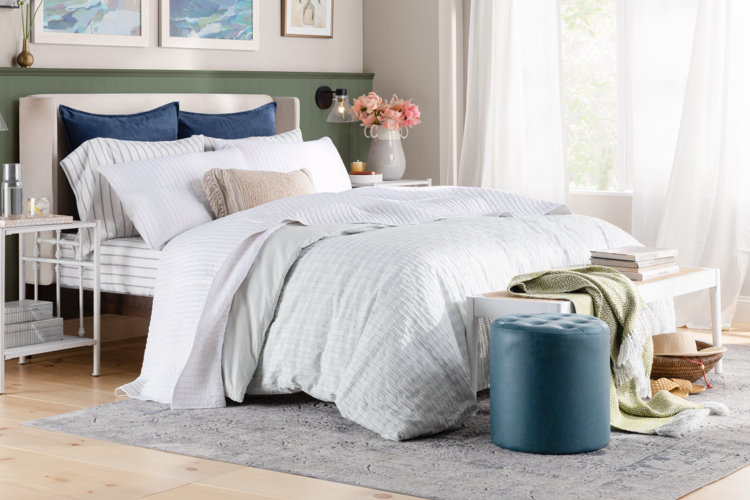
The right duvet insert is the foundation for a comfortable night's sleep. Whether you're looking for lightweight comfort, luxurious loft, or an easy-care option, choosing the right duvet insert starts with understanding how you sleep. Follow these steps to discover what a duvet is and how to choose the right one for your bed.
What Is a Duvet? Duvet Covers vs. Inserts
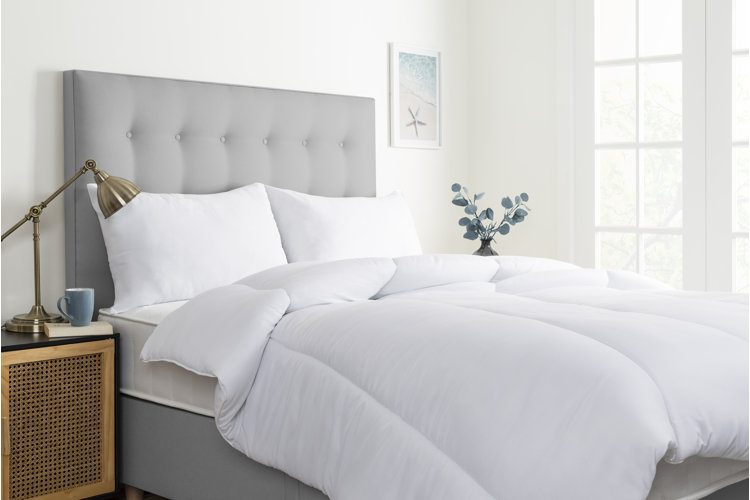
Duvets are a bedding layer made up of two parts: a duvet cover and a duvet insert. The cover is a protective and decorative layer that encompasses the insert, making it easy to wash your bedding and switch up your style. Duvet inserts are a large, puffy piece of bedding designed to provide warmth and comfort. Unlike a comforter, a duvet insert is meant to be paired with a duvet cover instead of being used as a standalone bedding layer.
Neighborly Tip!
Unsure which bedding option is right for you? Learn more about the difference between a duvet and a comforter by checking out our guide, The Age-Old Debate: Duvet vs. Comforter.
How to Choose the Perfect Duvet Insert
Finding the right duvet insert depends on your unique sleep style, warmth preferences, and ideal loft or level of fluffiness. Follow these simple steps to compare warmth levels, fill materials, and constructions so you can build your dream bed.
1. Start With Your Ideal Warmth Level
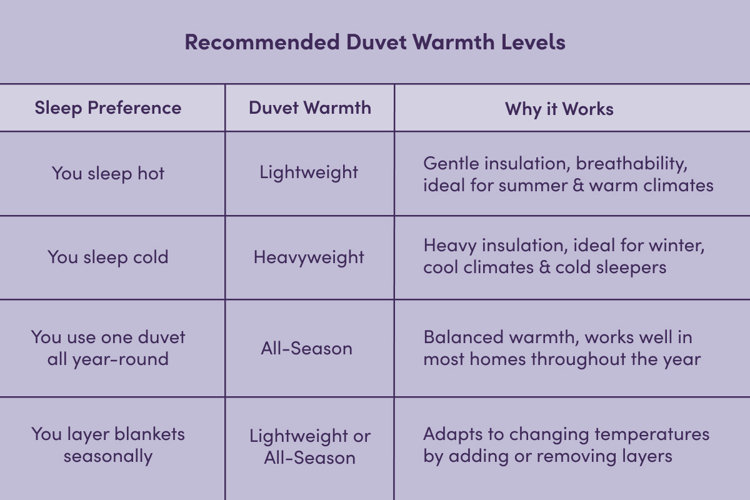
Your preferred sleep temperature is the best place to begin when choosing a duvet insert. The right warmth level will create a comfortable sleep environment where you won’t overheat or feel too cold. Here are the different warmth levels:
- Lightweight: Lightweight duvets offer gentle insulation and breathability, making them ideal for summer months, warm climates, or people experiencing hot flashes or who generally sleep warm.
- Heavyweight: Heavyweight duvet inserts feature heavy insulation designed for maximum warmth. They are ideal for winter months, cold climates, and people who run cold.
- All-Season: All-season duvets are a good place to start if you’re unsure what warmth level you prefer. They are the perfect balance between breathability and warmth, offering all-year-long use and versatility.
Once you’ve selected your warmth level, choose the fill that best matches your preferences for comfort, loft, maintenance, and price. Consider the most common fill materials for duvet inserts:
- Down: For the ultimate cloud-like sleep experience, down duvet inserts offer exceptional loft and lightweight warmth without feeling heavy. Made from fine down clusters, these inserts trap heat naturally while remaining incredibly breathable, preventing overheating throughout the night. If you're seeking luxury bedding that lasts for years with proper care, premium down delivers an airy, plush feel that's tough to match.
- Down Blend: If you want the benefits of natural fill at a more accessible price point, down blend inserts offer the perfect middle ground. By combining soft down clusters with small feathers for structure, these duvets deliver a plush, cozy feel with a bit more resilience and shape retention. It's a durable, supportive option that provides classic natural-fill comfort without the full-down price tag.
- Down Alternative: Designed for easy care and allergy-conscious homes, down alternative duvet inserts use hypoallergenic synthetic fibers to mimic the soft, fluffy loft of traditional down. They are machine washable, highly durable, and available in a wide variety of warmth levels to suit any climate or sleeping preference. Perfect for guest rooms or everyday use, down alternative offers a consistent, low-maintenance fill that's gentle on both allergies and budgets.
While most shoppers choose a down or down alternative duvet insert, some inserts are also available in specialty materials like cotton, wool, or silk. These options offer unique benefits such as natural breathability or temperature regulation, though they're available in a more limited assortment.
3. Compare Different Constructions
Construction affects how your duvet insert looks, feels, and performs over time. Compare these two construction types to find the right fit:
- Sewn-Through: Ideal for everyday use and lightweight bedding, sewn-through duvet inserts stitch the top and bottom fabric layers directly together. This design keeps the fill evenly distributed and creates a sleek, low-profile silhouette with lower loft. However, because the fabric squeezes together at the stitching lines, small cool areas can form along the seams, making it best for warmer sleepers or milder seasons.
- Baffle Box: Designed for maximum loft and a luxurious feel, baffle-box inserts feature small, internal fabric walls sewn between the top and bottom layers. These vertical "baffles" give the fill three-dimensional space to expand fully, resulting in a plush, ultra-fluffy duvet. The added depth ensures insulation across the entire bed, offering superior warmth with virtually no cold spots.
Fill power indicates the quality of your duvet insert’s down filling and is measured by how much space one ounce of down occupies. Higher fill power doesn’t necessarily mean a warmer duvet – it means greater loft and insulation efficiency with less weight. Compare these levels of fill power and how they affect the feel of your duvet insert:
- 500–600 fill power: Ideal for everyday comfort and budget-friendly value, this range provides lightweight, modest loft with dependable insulation. It offers a low-profile feel that keeps you cozy without adding unnecessary heat or weight.
- 600–700 fill power: For balanced warmth and loft, this fill power range has a fluffier profile with an enhanced warmth-to-weight ratio. It’s the perfect balance between plush loft and all-season temperature control.
- 700+ fill power: Found in premium down inserts, 700+ fill power provides maximum loft with virtually weightless insulation. These high-grade down clusters trap heat exceptionally well, giving you the ultimate fluffy, breathable luxury experience.
Looking for bedding made with thoughtfully-sourced materials or designed for allergy-conscious households? Consider these features when shopping:
- Responsible Materials: Many duvet inserts feature natural materials, including responsibly-sourced down and organic cotton shell fabrics.
- Hypoallergenic Comfort: Down alternative fills are an excellent choice for shoppers with allergies or sensitivities. Many options are also machine washable for easy care.
- Trusted Certifications: Look for labels like Responsible Down Standard (RDS), OEKO-TEX® Standard 100, and organic cotton certifications. These certifications help verify responsible material sourcing and product safety.
When properly cared for, a high-quality duvet insert can last for years. Here’s how to clean your duvet to extend its lifespan and signs to look for when it’s time for new bedding:
How to Clean a Duvet
While duvet covers should ideally be washed every one to three weeks, duvet inserts only need to be washed every three to six months. Washing your duvet insert too frequently can break down the fill material and shorten your bedding’s lifespan, so it’s important to use a duvet cover to protect the insert between cleanings.
Before you wash a duvet insert, check the care instructions, as some are dry-clean only. If your insert is machine washable, use warm water and mild detergent on a delicate cycle. Hang your duvet to air dry or place it on a low setting in the dryer for several hours, using tennis balls to fluff the filling and ensure it dries evenly.
When to Replace a Duvet
Duvet inserts can last season after season, but fill material, construction, and frequency of use also affect their lifespan. In general, premium down inserts last the longest with proper care, while down alternative inserts may require replacement sooner. Kids, pets, and heavy usage will put more wear-and-tear on your duvet, so it may not last as long.
Replace your insert if it has persistent flat spots, uneven fill, lingering odors, or no longer provides the warmth and comfort you need for a good night’s sleep.
Frequently Asked Questions
What is a duvet insert?
A duvet insert is the large, puffy piece of bedding used inside a duvet cover, designed to keep you warm.
Is a duvet insert the same as a comforter?
No. A duvet insert is designed to be paired with a duvet cover, while a comforter is a finished bedding layer intended to be used on its own. Duvet inserts are typically neutral in color since they're meant to go inside a duvet cover and must have corner loops.
Can I use a duvet insert without a duvet cover?
While you can, using a duvet cover helps protect the insert, simplifies cleaning, and makes it easy to refresh your bedroom style.
Can I wash my duvet insert?
Many duvet inserts can be machine washed, but care instructions vary by fill material and construction. Always follow the manufacturer's recommendations.
How often should I wash my duvet?
It is recommended to wash your duvet two or three times a year.
What is duvet fill power?
Duvet fill power measures the amount of space one ounce of down occupies, indicating the relative quality of the down clusters.
