How Long Do Water Heaters Last?
Keep your water warmer for longer.
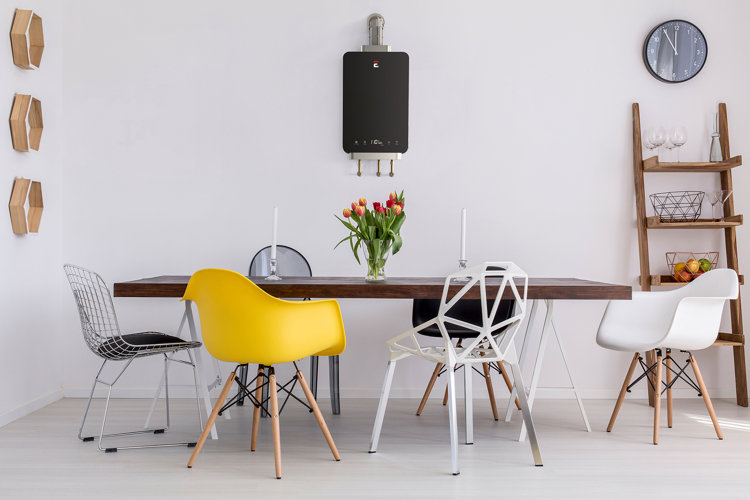
Hot water is typically considered an essential component to daily living and comfort. It is used in a myriad of ways ranging from dishwasher and washing machine usage, to showering or bathing, and even simple hand-washing. Yet it's not often you think about the lifespan of your water heater – that is, until it starts giving you problems. The question is, how long do water heaters last exactly? Learn about the life expectancy of your water heater, how to identify signs that it needs to be replaced or repaired, and how to extend its lifetime.
How Long Do Water Heaters Last?
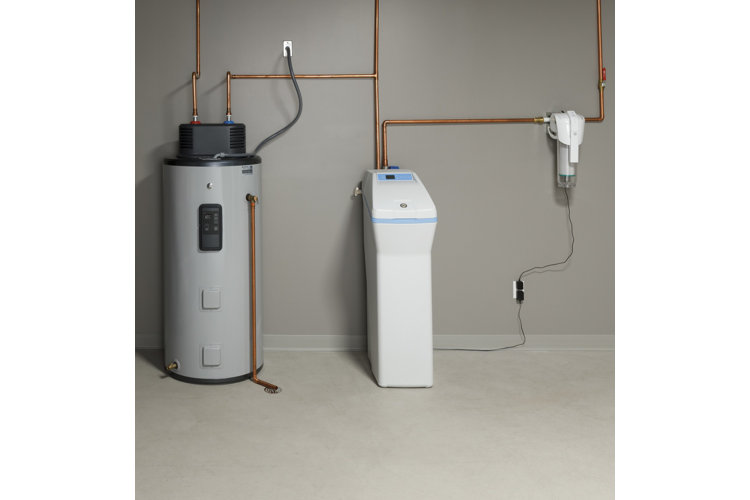
There are two primary types of water heaters: tank-style and tankless. They each function in different ways but serve the same purpose – to heat the water in your home. To learn more about the different types of water heaters, read Types of Water Heaters: Tank vs. Tankless, Everything You Need to Know About Types of Water Heaters, and What Is a Tankless Water Heater & How Does It Work?.
The average lifespan of a tank-style heater is around 8 to 12 years, while tankless heaters can often last up to 20 years (or more) as the absence of a tank eliminates any potential tank-based issues. Bear in mind, these numbers are affected by a few things:
- Correct installation – an incorrectly installed water tank can lead to leaks and other issues that increase wear and tear.
- Usage – the volume of water used directly affects how much the heater has to work.
- Age – older tanks will have a shorter lifespan.
- Tank insulation – well-insulated tanks retain more heat, reducing the heating element's workload, and extending its life.
- Maintenance – performing regular maintenance on your water tank (such as tank flushing to remove sediment buildup), as well replacing parts when necessary.
- Timely repairs – addressing any issues as soon as possible so they worsen over time.
- Water quality – hard water (with a high mineral content) can cause problematic sediment buildup on the heater.
- Climate – water tanks can wear out faster in cold areas because the element needs to work harder to heat colder water.
- Make – reputable brands typically use high-quality materials and create products that will last longer.
- Warranty – typically water heaters with longer warranty periods will be designed to last longer. Always be sure to check your warranty thoroughly to see what kind of issues fall within the warranty so you can decide if it is better to repair or replace.
If your current water heater is older than eight years, it is likely you will need to replace it within the next few years. Older units usually require frequent maintenance while newer water heaters benefit from advanced technology and materials, resulting in fewer issues. When it is finally time to replace your water-heater, you will be able to opt for an energy-efficient model that will help save energy and reduce your bills.
Potential Water Heater Problems
When it comes to water heaters, there are a variety of issues you should look out for (particularly if your unit is older). Some of these problems only require repairs, while others may be cause for a complete replacement. Either way, it's helpful to know what signs are indicative of complications.
1. Not Enough Hot Water: This can often be narrowed down to one of three issues:
- Failed heating element
- Malfunctioning thermostat
- Insufficient tank size for the household
Tip!
If your tank is too small, you will likely have to replace it. Read Water Heater Sizes & How to Choose the Right One for Your Household to find the one you need.
2. Water Heater Is Too Old: The older the water heater, the more likely it is to have breakdowns or require replacement.
3. Water Leaks From Unit: Loose connectors, faulty valves, and internal tank issues can cause leaking.
4. Rust-Colored Water: Corroded pipes are the biggest cause of rust-colored water.
5. Noises in the Tank: Odd noises usually mean sediment buildup at the bottom of the tank. It can also be caused by a crack or failed heating element.
If your water heater repairs are costing too much or the unit simply cannot be fixed, it might be time to buy a new one. Remember, there are long-term benefits to investing in a new heater including: reduced energy bills, consistent hot water, and fewer issues. But how much does it cost to replace a water heater?
While water heater replacement costs can range from around $880 to $1,770 – the average price comes in at around $1,300 to $1,500. This however, is a basic estimate as there are a number of additional factors that influence the cost. These include:
Tank Type
Tank-Style: Around $1,000 on average and can run on solar, electricity, gas, propane (they are always on). Homes in colder climates and larger homes are better off with tank-style.
Tankless: Around $2,500 and can run on gas or electricity (on demand). These are better for smaller homes in warmer climates.
Tank Capacity
0 – 10 Gallons: Around $200 to $250.
11 – 50 Gallons: Around $500 to $550.
51 Gallons & Up: Around $8,000 or more.
Other
Labor:The cost of the contractor you use may vary depending on their experience as well as how much work they need to perform.
Difficulty: A simple installation will cost less than a large remodel where walls are broken down and pipes moved.
Removal: You usually have to pay an additional fee to have the old unit removed from your property.
Materials: How many extra materials you need will influence the total cost.
Permits: These need to be applied and paid for in a timely manner.
Professional Assistance: If the job requires additional help from a plumber or electrician, this will raise the overall cost.
How to Make Your Water Heater Last Longer
There are a few things you can do to increase the lifespan of your water heater.
- Drain and flush the tank twice a year to get rid of collection sediment that can cause corrosion.
- Keep the thermostat temperature at 120 degrees Fahrenheit. Alternatively, you can use a smart thermostat to control the temperature more precisely.
- Install a water softener if you will in an area with hard water. This will help decrease mineral buildup.
- Check and change the anode rod. This will require a professional.
- Get regular inspections (once a year or so) to help catch any minor issues and ensure the water heater is operating efficiently.
Now we have answered the question 'how long do water heaters last?', you can make an informed decision on whether to replace your current unit.
You Might Also Like:
