How to Choose the Correct Type of Drain
Pick the best type of drain for your needs.
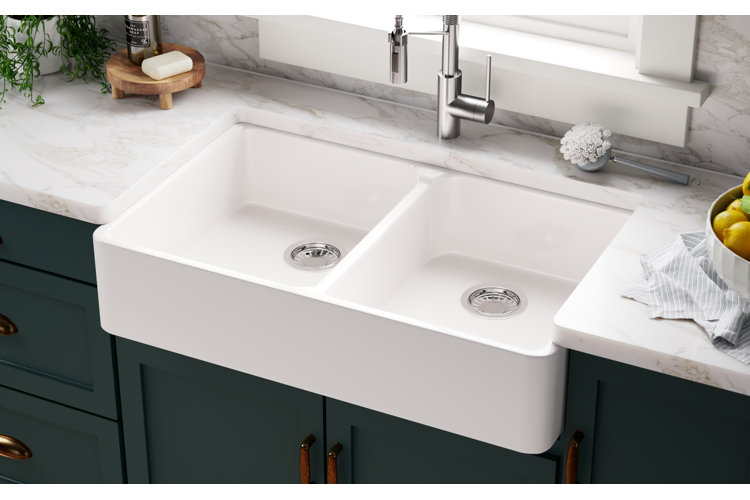
Drains are the vital component to any sink, bath, or shower because they work as conduits that allow water and waste liquids to move away into the plumbing pipes. Having the right type of drain installed in each of these locations is essential to the efficient removal of water. Use this guide to help you better understand the types of drainage and find the right one for your needs.
Types of Drains
Types of Kitchen Sink Drains
Types of Bathroom Sink Drains
Types of Shower Drains & Bathtub Drains
Relevant Considerations
Types of Drains
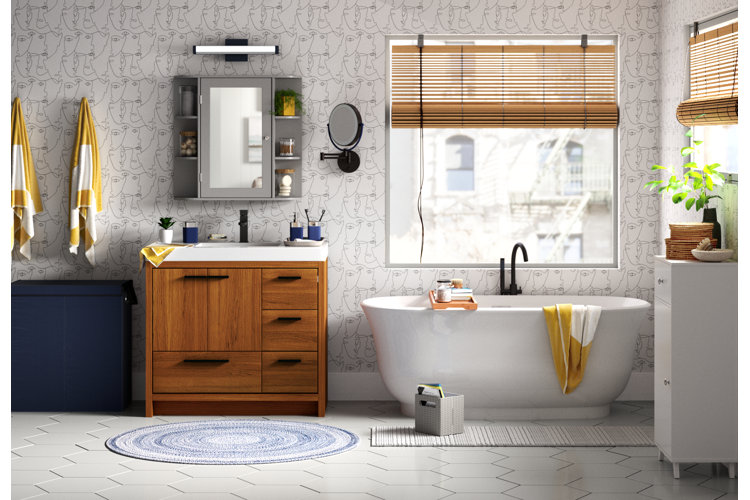
Although they are not often given much thought, drains are an important component in our daily activities. The first consideration to take into account before purchasing a new type of drain is the location you plan to install it – whether it’s the kitchen sink, bathroom sink, shower, or bathtub. Read on to learn more about the different types of drains.
Types of Kitchen Sink Drains
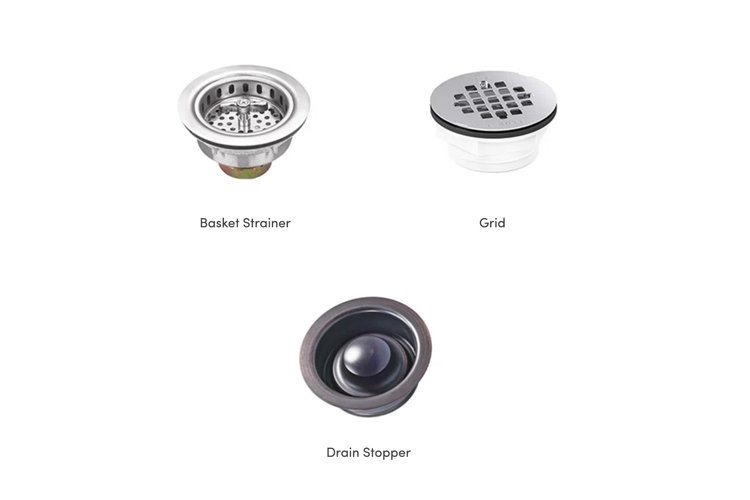
When choosing the right type of drain for your kitchen, there are three main designs. We've highlighted the most popular types of kitchen sink drains below:
Basket Strainers: A basket strainer is a type of mesh strainer or metal sieve that catches and filters out solid debris from entering into the water system. These types of drains are most commonly used in kitchen sinks, where food and other large items can potentially enter the drain. The strainer basket can then be removed and cleaned out to prevent clogging and to allow the water to flow smoothly through.
Grid: Grid drains usually have no closing function, as the grid piece on the drain cover allows for water to flow through at all times (while still blocking larger items). These types of drains are commonly found in kitchen sinks that don't fill since they prevent any overflow of water from occurring. These types of drains do not clog very often, which makes them an excellent option for kitchen sinks and showers.
Drain Stoppers: Drain stoppers are made of firm rubber and are slightly larger in diameter than the drain to create a tight seal, which allows you to fill the sink with water. Though this type of kitchen sink drain is ideal for washing dishes or soaking pans, drain stoppers are also a good fit for bathroom sinks and bathtubs. You should always choose a drain stopper that is easy and convenient to use.
You can often use the same type of drain for a kitchen sink and a bathroom sink; here are two types of bathroom sink drains that are also popular picks for the kitchen.
Pop-Up: Pop-up drains are simple to operate and install. This type of drain functions with a pop-up mechanism that you activate by pressing down on the drain cover to close and open it. When you close the pop-up, the tub will fill up with water, and when you open it, the water will drain. These types of drains are commonly found in kitchen and bathroom sinks, as well as tubs.
Lift & Turn: Lift-and-turn drains (also known as twist-and-turn drains) feature a small knob that manually lifts the drain cover. To close these types of drains, press the drain cover down and turn it to hold it in place. To open, you simply lift and turn in the opposite direction. These drains are easy to install and are commonly used in bathroom sinks and kitchen sinks.
In addition to other types of drains that can also be used in kitchen or bathroom sinks, there are three types of shower drains and bathtub drains to consider.
Tile-In: Tile-in drains are most commonly used in showers and sometimes in bathroom sinks. These types of shower drains have a modern design that provides a seamless look as they integrate and lie flush with the floor tile. They drain through both the grates and a drainage slot (if they have one), and are also easy to clean.
Linear Grid: Linear grid drains are made of an elongated channel built into the shower floor to collect water. Their design pulls the flow of water toward a narrow trough at one end of the shower – thus giving more efficient water removal by collecting it all at once instead of letting it pool at your feet. These types of shower drains are considered a luxury plumbing option thanks to the way they enhance the aesthetic of your shower with a minimal and seamless look. They are available in a wide variety of sizes, shapes, and styles.
Chain & Plug: You operate the chain and plug drain manually by plugging and removing the stopper via a small handle on the top, or by the attached ball and chain. They are mostly used in tubs and bathroom or kitchen sinks, as they allow the water to fill up when plugged in. These types of drains often feature a small basket designed to keep items from falling into the drain once you remove the stopper.
Tip!
Looking for more information on the different types of shower drains and how they work? Read our guide Types of Shower Drains & How They Work.
Relevant Considerations
When you are replacing a drain, there are a few important considerations (whether practical or aesthetic) to take into account and ensure that you purchase the right type of drain.
Measure the Sink: The drain needs to fit your current sink, bath, or shower drain opening in order to work properly. Begin by measuring the opening to ensure you get the right size drain. Alternatively, if you still happen to have them, you can check the manufacturer's instructions that came with the sink. They should include the corresponding drain size.
Check the Overflow: An overflow opening is a small hole drilled into the top of the threaded portion of the drain. It allows overflow water from the basin to enter the drain pipe while preventing water from filling up and spilling outside of the sink, tub, or shower. Their secondary function is to allow water to drain faster by simultaneously allowing air into the system. You can purchase drains with or without an overflow opening. If your sink features an overflow however, it's important to purchase a drain with an overflow opening so that your sink and drain function properly.
Finish:Selecting a drain isn't just about functionality. The many different types of drains are available in a variety of finishes – from warm bronzes and brass colors, to traditional stainless steel and modern black finishes. Keep in mind that some finishes, such as brass, can require special cleaning, care, and attention.
Garbage Disposal: When purchasing a drain that is to be used with a garbage disposal (for kitchen use only), make sure that you choose a drain that doesn't have a basket to make sure that food can easily be washed down the sink into the disposer. These drains attach directly to the garbage disposer, so it is important that the two components are compatible.
Now you are better equipped to choose the best type of drain for your bathroom or kitchen.
