How to Finish a Basement & Make It Useable
Finished basement ideas.
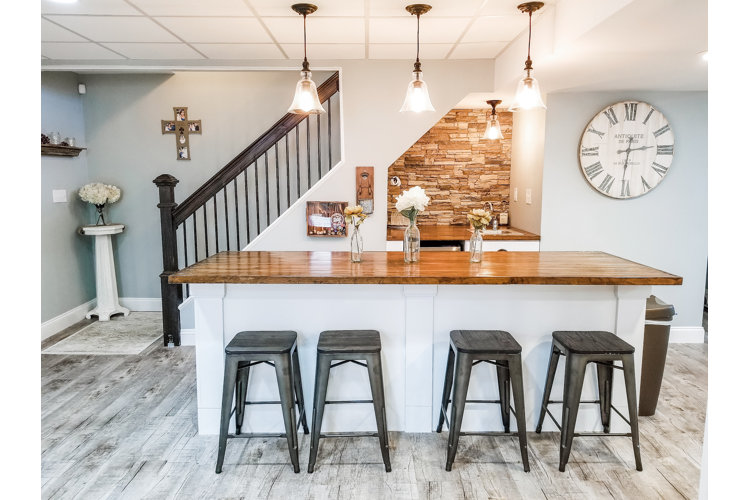
Finishing your basement is something that will not only add to your home value, but also provide you with additional space that can be used for almost anything you want. Whether that's for a home gym, an entertaining spot, spare bedroom, home theater, laundry room, or simply to create more efficient storage. Bear in mind that learning how to finish a basement will require some DIY skills (although there are still things better left to professionals) – so get ready for a little home improvement that will make a big difference.
How to Finish a Basement
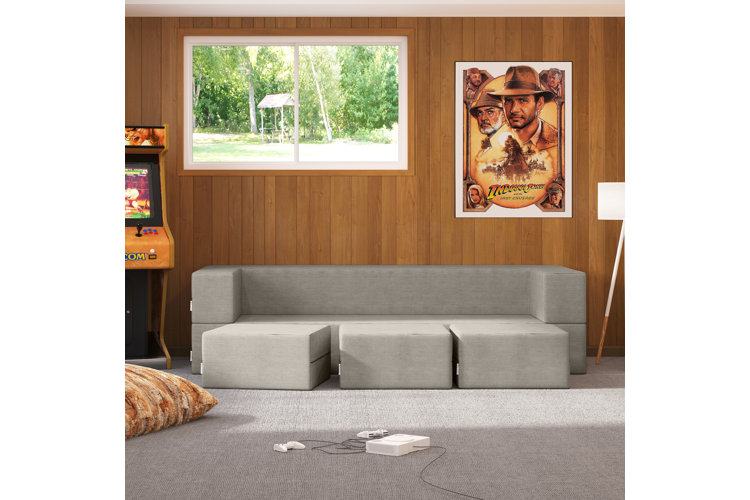
No matter if you are performing a complete basement remodel, updating, or adding a few upgrades, you will need to start with a blank slate. This means clearing out the space and paring it back as much as possible so that you can get a good idea of what you are working with. Then you can begin working on those steps to finishing a basement.
1. Plan Thoroughly
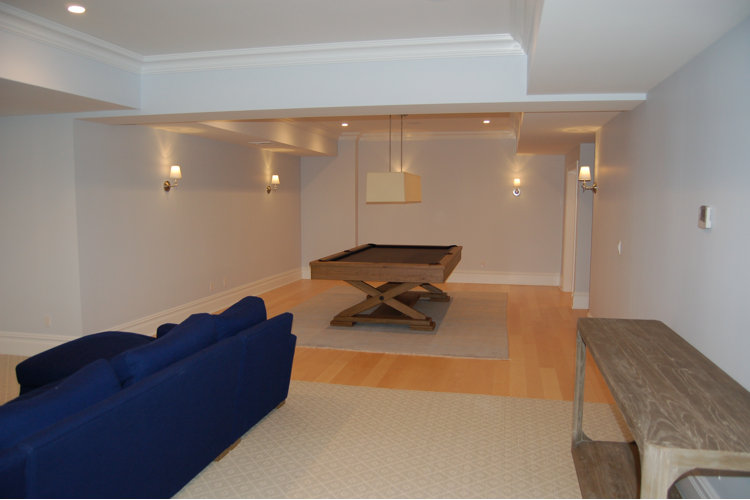
Before you begin any home improvement, take a moment to plan your basement layout. Depending on what you intend to use yours for, you may need to account for certain fixtures, furniture, and walls.
Tools: You will need to make a list of everything your basement remodel will need. This could include paint and brushes, doors and hardware, flooring, a utility sink, hammers, nails, screwdrivers, and anything else you can think of.
Equipment: From there you will need to consider what equipment you may need. This can range from ladders, platforms, and scaffolding to reach those high up places, dollies for moving heavy materials, and ramps to make the basement more accessible.
Protective Gear: Your own safety is paramount, so be sure to invest in the correct safety gear and personal protective equipment to prevent any accidents from occuring.
If you intend to perform larger basement installations, gutting, or remodeling, you must make sure to apply for the correct building permits in order to avoid delays. This typically includes submitting an up-to-date floor plan.
Call the Professionals: If you notice large-scale issues such as mold, water damage, or joint sagging, it is imperative that you call in the professionals for assistance. There is no point in laying down flooring if the damp will slowly creep through and cause damage.
- It's likely you will have to choose certain damp-rated materials, install vapor retardant barriers, and even bring in a dehumidifier to keep any potential damp at bay.
- Only once those problems are fixed can you start on your renovations.
- It is also best to get the help of professionals when it comes to electrical, plumbing, and HVAC installation or adjustment.
No matter how you choose to finish your basement, safety codes are imperative. These can differ per state, so you want to update your knowledge to ensure everything is up to code.
Points of Egress: To comply with safety regulations, your basement will likely require at least one point of egress. This can be a window (appropriately sized) or a hinged exterior door, that will provide an accessible escape route as well as allow emergency personnel a way in if needed.
Now you can move onto your basement flooring. You must be extremely selective here, particularly because of the potential for dampness. Wood floors are the least viable option because when exposed to any moisture, they will warp and get damaged.
Choose Flooring: Depending on what your intended use for your basement is, you should select your flooring accordingly.
- Fitness flooring like mats and rolls are best for home gyms
- Ceramic tiles are easy to clean, while porcelain tiles are heavy-duty and long-lasting, making them both ideal for laundry rooms and storage areas.
- Laminate and vinyl flooring can look just like real wood and also offer an inviting feeling that is great for a bedroom or entertainment area.
- Carpet tiles can work well to create a warmer air, although you have to be careful that there is no moisture in your basement when you install this flooring.
- You may also require subflooring, so be sure to read up on what your basement will need.
Tip!
Are you interested in building a home gym? Read Home Gyms Ideas to Create the Perfect Workout Space for expert guidance.
5. Reinforce the Stairs
Easy access to your basement will require sturdy and safe stairs, especially if you intend to use yours frequently. Stair rails will reinforce and provide extra support when walking up and down. Stair tread rugs are another worthwhile addition that will make the stairs a little easier and safer to traverse.
A bare ceiling is going to contribute to that unfinished feeling in your basement. Whether you are adding a new coat of paint or applying ceiling tiles (we have a range of materials including tin, PVC, and even styrofoam), finishing a basement ceiling will help complete the look. Something like a bedroom or entertaining space would benefit from a more ornate finish to create a homey look and feel.
Adding ceiling lights will make up for the lack of windows in most basements. Natural light will always make a room feel larger and welcoming, but without large windows, new lights will work wonders. Of course, any wiring will require an electrician, but you can install fixtures yourself.
Select Fixtures: You can pick from our range of flush and semi-flush mount lighting, track lighting, and pendant lights to illuminate the entire room.
To banish any shadowy corners, opt for table and floor lamps, or wall lights.
A utility sink is a worthwhile investment – particularly if you plan to use your basement as a laundry room. You'll also need to hook up your washer and dryer – so try to do it all in one go to keep costs and labor down.
For a more straightforward basement used for storage, bring in a variety of options so you can maintain the space, keep it tidy, and also have all your items within easy reach and where you can find them.
Storage Racks: Rather than throw everything in messy piles, opt for storage racks, cabinets, or shelves. Try to give everything order and group your items in a way that makes sense to you.
Storage Containers: Corral any smaller and miscellaneous items with storage containers. Bins, crates, and baskets are all ideal options to maintain order. Just be sure to label everything so you don't have to go digging through boxes the next time you need something from the basement.
A finished basement now counts as a room in need of a smoke detector. Again, this will increase your safety levels and finally complete your basement. For installation guidance, read How to Install a Smoke Detector, and How Many Smoke Detectors Do You Need In Your Home? to learn more about these life-saving devices.
Now you know how to finish a basement, you can bring more space and value to your home.
You Might Also Like:
