How to Set Up a Fish Tank: Step-By-Step Instructions
Create the perfect home aquarium.
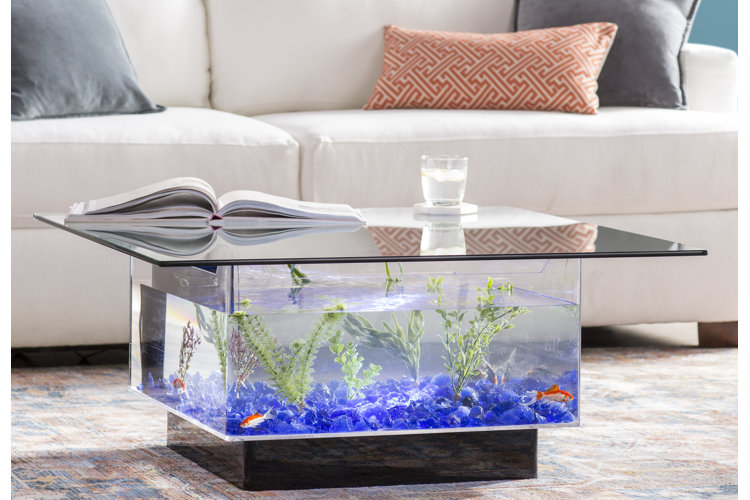
Have you been wanting to add some aquatic magic to your home? Creating a serene home aquarium where your fish will thrive can seem overwhelming if you’re new to aquascaping or keeping aquatic pets. Read on to learn how to set up a fish tank for happy, healthy fish.
How to Set Up a Fish Tank

Setting up an aquarium from scratch is a big task that can take one to two weeks to get right before fish can be added. We’ll break the process down for you with these easy-to-follow steps.
1. Choose a Sturdy Surface For Your Tank
The first step is to make sure you have a good foundation for your fish tank. Whether you plan to put it on a counter, desk, or table, make sure whichever surface you choose can withstand the weight of the tank once it’s filled with water. If you want to play it safe, invest in a fish tank stand that is specifically designed to hold the weight of your tank – check the stand’s specifications to make sure it can support your tank.
Tip!
Learn more about Fish Tank Types & Sizes to help you choose the right tank and stand.
2. Prep Your Fish Tank
First, rinse out your tank to remove any dust and debris from the packaging, then make sure you have all the necessities before you start your tank setup. You will need to do some research on the specific types of fish you plan to keep in your aquarium to see what water conditioners, food, and tank accessories you will need. Here is a comprehensive list of basic necessary supplies:
- Appropriate-sized fish tank
- Cover
- Fish tank or other surface
- Water filter
- Air pump & tubing
- Light
- Heater (depending on fish needs)
- Thermometer
- Water conditioner
- Water test strips
- Substrate
- Live or fake aquatic plants
- Aquarium decor
Tip!
Not sure exactly what fish tank accessories you need? We have a guide for that!
3. Install Pumps & Filters
Install your water filter and air pump per the instructions that come with the products. Make sure your aquarium is placed in reach of an outlet since the filter, pump, and light will require electricity, and be sure to adhere to all safety guidelines and warnings. Do not turn the filter or pump on until water is added to the tank.
4. Add Substrate & Decor
Before filling your tank with water, you’ll want to add your substrate and decor. Keep in mind that some of it may move around once you add the water, so you will likely need to get your hands (and arms) wet to adjust it once the tank is filled.
- Start With Substrate: Add the substrate to the bottom of the dry tank first – we recommend giving the substrate a rinse before to avoid clouding the water.
- Add Plants: Add your live or fake aquatic plants before placing your decor. For most plants you will need to bury the roots in enough substrate to keep the plant from floating up once the water is added.
- Place Your Decor: Arrange your aquarium decor on top of the substrate once your plants are secure. Be sure to choose decor made for aquariums as normal decor may be toxic to fish or not be suitable for being submerged under water. Most aquarium decor will be heavy enough so it won’t float away, or it will come with suction cups that you can adhere to the glass.
5. Fill Your Tank With Water
Once your tank is securely centered on the stand you can begin to fill the tank with water. Do not fill your tank at the sink and attempt to move it once filled with water – instead, use a pitcher or bucket to bring water to the tank on its stand.
Tap water can be used to fill a freshwater aquarium, but you will need to condition the water to achieve the correct chemical balance and temperature before adding any fish to your aquarium.
6. Condition Your Water
Conditioning your aquarium water can take one to two weeks before it is suitable for your fish. Research the types of fish that you plan to add to your tank so you can condition the water to their specific PH balance and temperature needs.
- Add Your Conditioner: Follow the instructions on the bottle of water conditioner (this can be purchased at a pet store), which will tell you how much to add per water volume in your tank.
- Test Water Weekly: Using water quality test strips, test your tank water for PH balance, ammonia, nitrite, and nitrate levels every couple days or once a week. For most fresh water aquariums, the PH balance should range between 6.5-7.5, while salt water aquariums are usually a bit higher at 7.5-8.4. Ammonia and nitrite are toxic to fish so levels should be at 0 before adding fish, while nitrate levels should be below 40 ppm. Always be sure to check for species-specific requirements.
7. Install Heater, Thermometer, & Overhead Light
Every tank should have a thermometer so you can monitor the temperature of your tank. Depending on the type of fish you are keeping in your tank, you may or may not need a heater as well. Having a light, which is either part of the cover or is installed to hover over the top, is a good idea for all fish since it mimics the light of the sun. The thermometer and heater both typically adhere to the inside of the tank with suction cups, but be sure to follow the instructions for your specific product.
8. Add Your Fish
Once your tank is fully assembled and your water is properly conditioned and the correct temperature, you can go ahead and introduce your finned friends. Be sure to follow any advice from the pet store on introducing your specific fish. Typically it is done by placing the fish in a closed bag of their original water in your tank so they can gradually adjust to the temperature. Once your fish have had time to adjust, you can add them to their new tank to enjoy their decorative surroundings.
