Ladder Buying Guide: Types of Ladders
Step up your ladder knowledge.
Whether you're painting your walls or cleaning your gutters, a quality ladder is an essential tool for any homeowner. There are several different types of ladders and step stools, each suited for a different set of tasks whether inside or outside of the house. In this guide, we'll introduce you to the different types of ladders available.
Types of Ladders
We've outlined the most common ladder types to help you choose the right one.
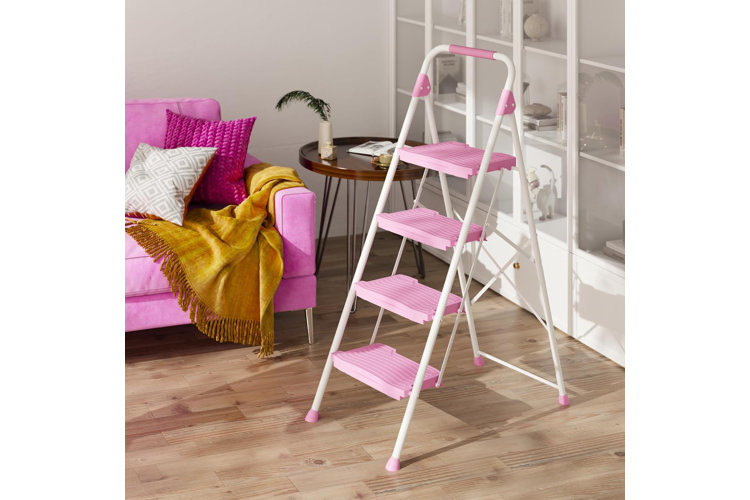
Stepladder: A stepladder is the most common type of ladder for everyday household use. These versatile, folding ladders have wide steps and a self-supporting design, which means they don't need to be leaned against anything to stand. Their broad steps allow for easy balance, and most stepladders have a top rung that acts as a shelf to hold tools and working materials. For maximum safety, you should never stand on the top two rungs.
- Library Ladder: These ladders are set on casters and attached to a rail at the top of a built-in bookcase or large home library. They slide side-to-side along your bookcase so you can climb the ladder as needed to reach books on the higher shelves. These ladders are typically made out of wood and have a decorative component to them as well.
- Attic Ladder: Attic ladders are foldable ladders, installed in a ceiling hatch, that allow you to access your attic space. These ladders are typically made of aluminum or wood since they need to be lightweight enough to be folded up and stored. These ladders are essential if your home does not have built-in stairs leading to your attic.
- Extension Ladder: An extension ladder is a collapsible or foldable ladder that allows you to adjust it to the height you need for different projects. These ladders are typically not self-supporting and need to be leaned against a wall or structure. These ladders are useful for outdoor projects like painting, siding, or cleaning out your gutters. When using these ladders, it’s important to make sure they are securely placed and locked to avoid accidents.
- Step Stool: A step stool is not quite a ladder, but it's essential to have around the house for achieving a little extra height. Step stools can range from under 1' to just over 3' in height. They can have just one small step or up to three broad steps. Step stools are perfect for quick use rather than long-term use – they're great for safely grabbing out-of-reach items from tall cupboards or replacing lightbulbs, but they might not be the sturdiest option for in-depth repair work or painting jobs.
Ladder material can affect the price, durability, and look of your ladder. Learn more about the four most common ladder materials to decide which best fits your needs.
- Aluminum: This material is light, affordable, and durable, making aluminum ladders an excellent choice for homeowners in need of a versatile ladder for everyday use. Because they are so lightweight, they are easy to install, transport, and store, but they aren’t quite as strong as fiberglass ladders. Unfortunately, their light weight does come with a downside – aluminum ladders aren't as strong as their fiberglass counterparts. Compared with steel, aluminum doesn't corrode as easily. Aluminum doesn’t corrode as easily as steel, but it does conduct heat and electricity, so you should not use it for electrical work or in extreme weather.
- Fiberglass: Fiberglass is an incredibly strong, sturdy material that is made of plastic mixed with glass fibers. Fiberglass ladders can hold a great deal of weight (typically 250–375 lbs), but you should note that they can be heavier and more expensive than other ladder types. Fiberglass doesn’t conduct electricity and it is more heat-resistant than other materials so it is better for working near power lines or in harsh weather conditions. Be aware that fiberglass tends to crack (not bend) under too much weight.
- Steel: Steel ladders are a great choice for both the casual DIYer and home improvement professionals. Steel competes well with aluminum and fiberglass on sturdiness and strength, though it tends to be heavier. We recommend choosing steel for indoor-use stepladders or step stools, since steel can rust and corrode if it comes into contact with water.
- Wood: Traditional in appearance and design, wood ladders are a good decorative choice. Wood is a common material for library and attic ladders. Wood ladders can be solid and sturdy, but typically only hold between 200–300 lbs. They are ideal for indoor use, as they are very susceptible to moisture damage.
Ladder Features
After choosing the right ladder type and material, consider these helpful ladder features.
- Slip-Resistant Feet: Slip-resistant feet keep your ladder securely in place, which is ideal for ladders used outdoors or on potentially slippery surfaces, like around pool areas or in bathrooms.
- Slip-Resistant Steps: A slip-resistant coating or inlay feature prevents your feet from slipping on the steps. Non-slip steps are ideal for ladders intended for outdoor use, or in high-moisture areas like bathrooms.
- Folding: Save space with a folding ladder, which can be easily stored away in your garage, shed, or utility closet. The foldable design ensures you can make the ladder smaller and easier to carry from one spot to another.
- Lightweight: Make transporting ladders easy with a lightweight design. These lightweight ladders are light enough to carry yet sturdy enough for everyday tasks.
- Locking Casters: Library ladders typically have casters, which are rolling wheels that allow you to move the ladder from shelf to shelf. Locking casters allow you to lock the ladder in place once you’re ready to climb so you can do so safely.
Tip!
Now that you’re familiar with ladder types, check out our guide on How to Choose the Right Height & Capacity..
