Standard Exterior Door Sizes Explained
A better fit for every entry.
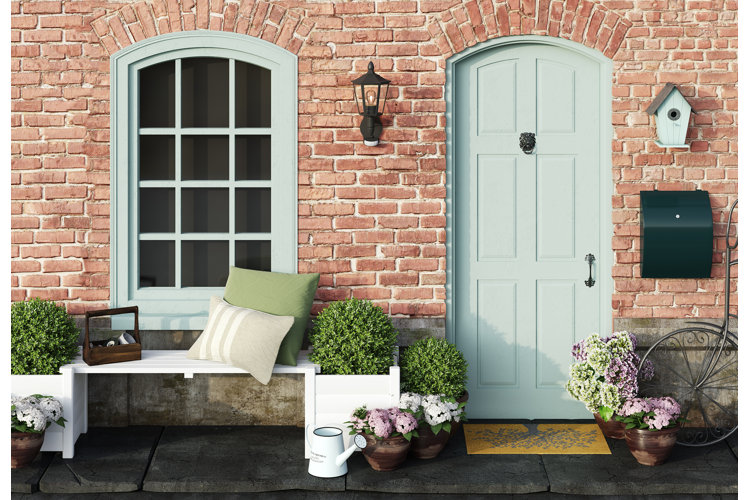
Choosing a new exterior door starts with getting the size right. Standard exterior door sizes are designed to fit common openings, making it easier to find a door that looks great and installs smoothly. Whether you're replacing an existing door or planning a new entryway, understanding standard dimensions can help you shop with confidence and avoid costly adjustments.
What Are Standard Exterior Door Sizes?
Exterior doors come in a range of standard sizes designed to fit common residential openings. Choosing a standard size makes installation easier, more affordable, and widely compatible with pre-hung door options.
Most exterior doors are 80 inches tall (6 ft. 8 in.), though taller options, like 96 inches, are also available for homes with higher ceilings or grand entryways.
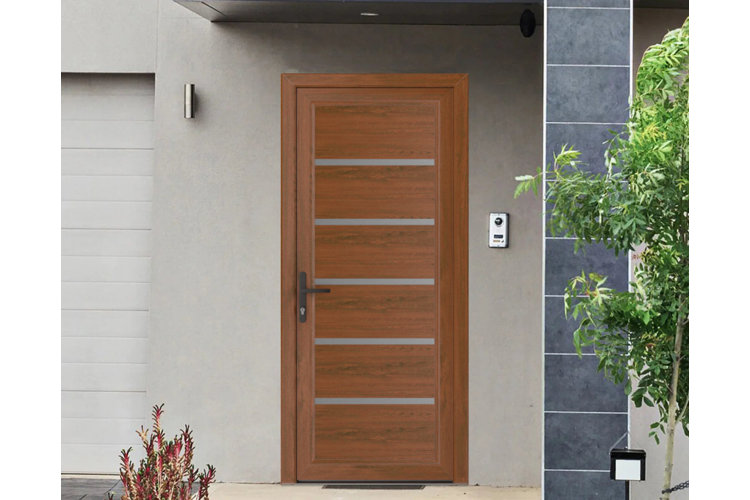
Here are the most common exterior door sizes you’ll find, designed to fit standard residential openings and make replacements straightforward:
- 30 x 80 inches: This is a compact option, often used for side or back doors where space is limited
- 32 x 80 inches: A slightly wider single door that offers more comfortable everyday clearance
- 36 x 80 inches: The most common front entry door size, this option balances accessibility and curb appeal
- 36 x 96 inches: A taller option that creates a more dramatic, high-end entryway
- 60 x 80 inches: This is the standard size for double doors (two 30-inch panels), often used for main entrances
- 64 x 80 inches: A wider take on double doors, this size is ideal for a more open entryway
Tip!
For more information on dimensions, browse our guide to Exterior Door Thickness Options.
Single vs. Double Exterior Doors
The right size often depends on the door style you choose, as well as how much space you have to work with.
Single Doors
Single doors are typically 30, 32, or 36 inches wide, and are a practical choice for most homes. They work well for standard entryways, side doors, garages, or any space where square footage is limited. Thanks to their smaller footprint, single doors are space-saving, versatile, and generally more budget-friendly. They’re also easier to install and maintain compared to larger door configurations.
Double Doors
On the other hand, double doors are usually 60 or 64 inches wide and are best suited for front entries, patios, or larger openings where you want to make more of a statement. Their wider design creates a grand, open look that enhances curb appeal while also improving functionality.
Double doors make it easier to move large furniture or appliances in and out, making them as practical as they are visually impactful.
Getting the right size starts with accurate measurements. Taking a few extra minutes here can help prevent installation issues later.
1. Measure the Width
Measure across the door opening from stud to stud, not just the existing door, to get the full rough opening.
2. Measure the Height
Measure from the finished floor to the top of the opening. Be sure to account for flooring changes if you’re renovating.
3. Check the Rough Opening
The rough opening is usually about 2 inches wider and taller than the door itself to allow space for the frame, shims, and adjustments during installation.
4. Measure Door Thickness
Most exterior doors are 1 3/4 inches thick, which is standard for entry doors and provides better insulation and security than interior doors.
Tip!
When in doubt, remove interior trim to expose the framing and get the most accurate rough opening measurement.
When to Choose a Taller Door
Standard 80-inch doors work for most homes, but upgrading to a 96-inch door can noticeably elevate your space. Taller doors are especially well-suited for homes with 9-foot or higher ceilings, where they help create a more open, airy, and high-end feel. They can also enhance natural light, particularly when paired with glass panels, and act as a stronger visual focal point from both the interior and exterior.
Tips for Choosing the Right Size
When choosing an exterior door size, start by matching your existing opening to avoid costly reframing or structural changes. It’s also important to consider clearance for furniture, foot traffic, and the door’s swing direction to ensure it functions comfortably in your space.
Think about curb appeal as well – larger doors can create a more impactful first impression. Finally, plan for hardware and trim, which may slightly affect the overall fit, and check local building codes to make sure your door meets any egress or accessibility requirements.
