The Best Planter Materials for Your Garden
Pick the right outdoor planter materials to see your plants thrive.
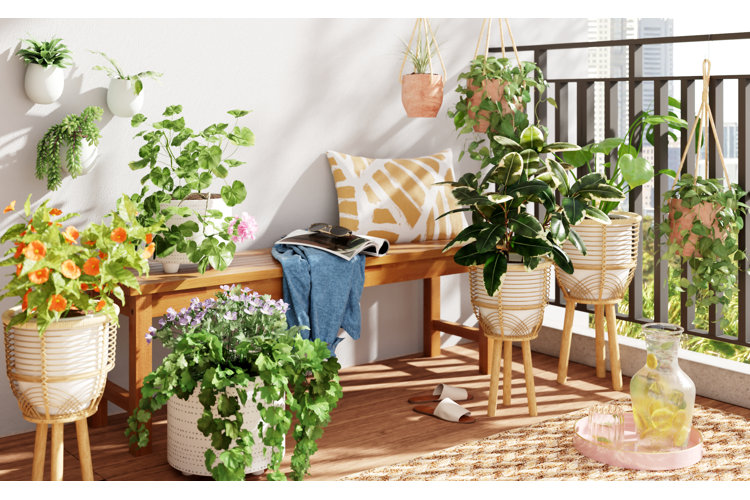
From patios to porches, plants are the perfect way to brighten up any outdoor space. Potted plants elevate your outdoor seating area and add the right amount of vibrant color. To make sure your plants are healthy and happy, it's important to choose the right planter material. Our guide includes helpful tips for choosing the best planter material to suit your plants, including elements like durability and style. Keep reading below to find which outdoor planter materials are a great fit for your garden.
Planter Materials
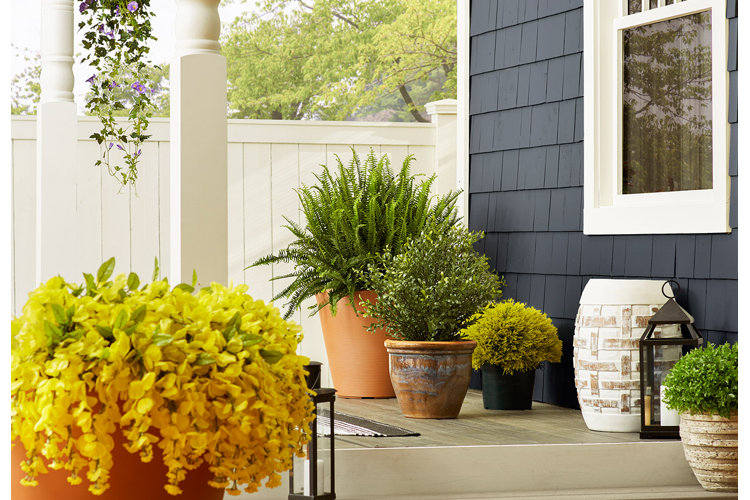
Planter material is a key consideration when looking for the right planter. The material can affect both the overall aesthetic of the planter and the health of the plant. Different materials also have varying levels of porosity and insulation, so some outdoor planter materials may be better suited for your garden environment than others.
Ceramic: Most Eye-Catching Style
Ceramic planters have a beautiful glazed finish that add an artisan-style element to the space. These planters are made of clay and glazed on both the inside and outside to create a watertight finish. This watertight quality ensures that the soil retains its moisture, which is ideal for plants that need plenty of water. The glazed finish also makes the ceramic planters more durable and able to withstand both cold and warm weather.
Large ceramic planters can be quite heavy. This makes ceramic planters best for plants that are top-heavy, to help prevent them from tipping over in the wind. Since they are more fragile than other outdoor planter materials, we recommend placing ceramic planters away from high-traffic areas to prevent them from getting bumped.
Concrete: Best Insulation
Concrete planters are durable and heavy, making them a long-lasting investment. These planters provide ample insulation to protect your plants in different climates and changing seasons. To construct concrete planters, the wet concrete is poured into molds to create the size and shape you choose. Since concrete planters are heavy, be sure to place them in a spot that won't require frequent rearranging.
Concrete planters often contain lime, which can leach into the soil and make the soil pH more alkaline. This makes concrete pots ideal for plants that thrive in alkaline soil, like succulents or perennial blooms. If your plants don't prefer alkaline soil, concrete planters may not be the best fit for them.
Fiberglass: Top-Pick for Plant Protection
Fiberglass planters are made with a combination of resin and glass fibers to create an ultra-light, durable material. These planters are well-insulated to handle both extremely hot and cold weather, and they can be designed to look like other popular planter materials like concrete, terracotta, or wood.
Fiberglass planters are well-suited for any type of plant and have helpful features, such as insulation, UV-protection, and waterproofing, that will promote healthy plant growth.
Metal: Most Durable
Metal planters are typically made of copper, zinc, or steel. These planters add a unique flair to your garden and pair well with any aesthetic. The metal material is incredibly durable, which makes these planters less prone to cracking or chipping than other planter materials.
Metal reflects light and heats up quickly in the sun, so you should keep metal planters out of direct sunlight and place them in shady areas. Metal planters also offer little insulation and should be kept indoors during the winter.
Plastic: Best for Your Budget
Plastic is one of the most common planter materials. Plastic planters are affordable, lightweight options that come in plenty of different colors to brighten up your outdoor space. They can be found in a wide range of styles and molded to look like higher maintenance materials like wood or wicker. Because plastic is more prone to cracking in extreme weather conditions, it's best to keep plastic planters out of hot and freezing temperatures.
Plastic planters aren't porous, so they have excellent moisture retention. This makes plastic planters a great choice for plants that require a lot of water.
Resin: Lightweight & Long-Lasting
With a material similar in texture to plastic, resin planters are lightweight and durable. Resin is a composite material that combines a sturdy inner core, a central protective layer, and a strong outer finish. Therefore, this outdoor planter material is designed to withstand the elements and everyday wear.
These planters are low-maintenance and can be styled to mimic the look of wood, wicker, and stone planters. They come in different colors, and the fade-resistant quality of this material ensures the colors stay bright. Resin planters are weather-resistant and can handle both hot and cold temperatures. Additionally, resin isn't a porous material and retains moisture well, which is perfect for plants that require plenty of moisture.
Terracotta: Best for Air Flow & Drainage
With a beautiful orange hue and affordable price point, terracotta is another popular planter material. The warm tones complement any type of greenery and add an earthy feel to your outdoor space. The terracotta material is very porous, which allows for healthy air flow and proper drainage. Terracotta planters are a great fit for plants that prefer a drier soil, such as succulents or cacti.
If left outside during harsh weather conditions, terracotta planters can be more prone to chipping, fading, and cracking. If you live in a colder climate, we recommend storing terracotta pots indoors during the winter months.
Wood: Most Natural
Wood is a natural material that creates a versatile, timeless outdoor planter. Durable types of wood, such as pine, cedar, redwood, or teak, provide excellent insulation for cold weather climates. Wood planters come in a wide range of styles and sizes to meet your gardening needs.
Though wood planters are often sealed with a protective finish to prevent any rot or fungi from forming, make sure to check the planter for weather or water damage once a year. To make wood planters last longer, empty out all of the soil inside before storing the planter for the winter, and reseal the wood as needed.
Tip!
Need help picking the right planter? Check out our guide How to Choose the Right Outdoor Planter: Garden Planter Guide to learn about the different types of outdoor planters, or read The Ultimate Guide to Planter Sizes to find the perfect fit.
