Types of Bathroom Tile: How to Pick the Best Tile for Your Bathroom
All you need to know about types of bathroom tile.
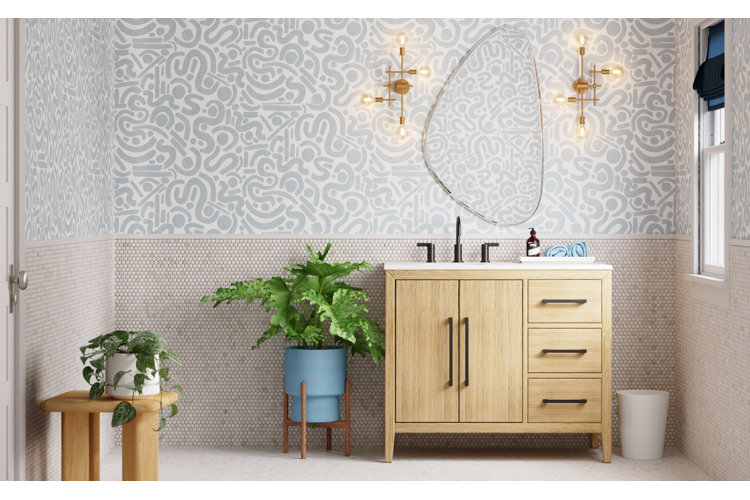
Tile has long-lasting durability and a waterproof finish, making it the perfect choice for any bathroom. It comes in plenty of different sizes, shapes, colors, and designs, so you can really customize your bathroom to match your style. Our bathroom tile guide will help you learn more about the types of bathroom tiles, including tips on choosing the right tile material. Keep reading below to find the best tile to complete your bathroom renovation.
Find the Right Tile Type
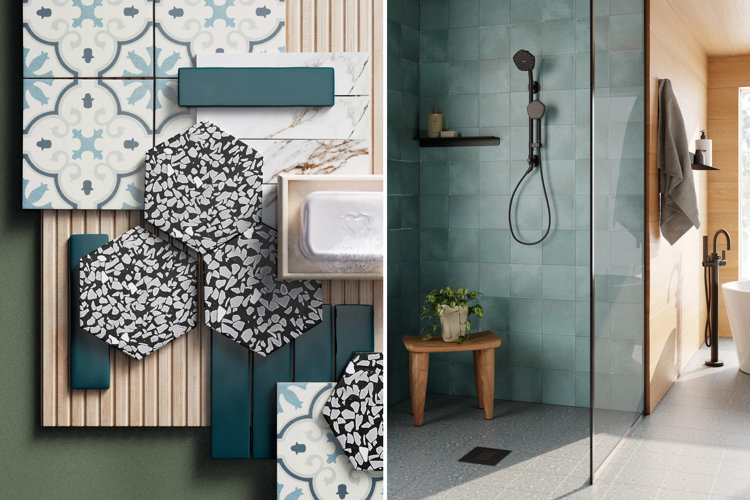
There are two main types of bathroom tile, categorized by the size of the tile: field and mosaic.
Field: Field tiles are individual tiles that are used to cover large spaces, rather than smaller tiles placed as accents. They are best used to tile expansive surfaces like bathroom floors or shower walls. These tiles come in plenty of different shapes and sizes, ranging from sleek hexagons to faux wood planks.
Mosaic: Mosaic tiles are small tiles that are arranged to create a larger pattern, such as honeycomb or herringbone designs. Because of their small size, mosaic tiles are typically attached to a mesh backing to preserve the design and make installation easier.
Material is a key factor to consider when choosing types of tile for a bathroom. It's important to think about the vitreosity, or the tile's ability to absorb water through its porous surface. Areas that are in frequent contact with water, such as shower floors, typically require a vitreous tile because excess moisture can lead to staining and damage. Non-vitreous tile, like terracotta, is highly absorbent and works better as an accent tile rather than as a bathroom floor tile.
To help you choose the right tile material, we've outlined the most popular tile materials and broken them down into three categories: ceramic, engineered, and natural stone.
Clay-Based Tiles
These tiles are made from clay and fired at different temperatures to ensure durability and longevity.
Ceramic
As an affordable and easy-to-install option, ceramic tiles are one of the most common types of bathroom tiles. Despite being softer than porcelain, ceramic tiles are hard-wearing, waterproof, and widely available. The tiles are low-maintenance and can be cleaned with a mild soap.
Best for: affordable renovations, vanity backsplashes, and shower walls
Porcelain
Porcelain tiles are another popular choice for bathroom tiles because they are highly durable and water-resistant. These tiles are denser than ceramic tiles, which means that they are able to withstand more wear. Porcelain tiles can be found in plenty of styles and designs, and they can also be used to emulate other types of materials like stone, wood, or brick. Porcelain tiles are easy to care for and don't require much maintenance.
Best for: any area, especially high-traffic bathroom floors
Tip!
For a detailed comparison of porcelain and ceramic, read our guide Porcelain Tiles vs. Ceramic Tiles: Know the Difference.
Terracotta
Terracotta tiles are made from clay and fired at a low temperature. If unglazed, these tiles are non-vitreous, or absorbent, and only suitable for drier areas. If the terracotta tiles are glazed, they can be used for bathroom floors or walls. Once finished with a sealant or glaze, terracotta tiles are easy to clean with a mild soap solution.
Best for: decorative areas like vanity backsplashes or wall accents
Engineered Tiles
Engineered tiles are made from human-made materials rather than natural materials, such as clay or stone.
Glass
These tiles have an elegant quality and come in a wide range of colors and shapes. Glass tiles can be prone to chipping, so we recommend using glass tiles in low-traffic spaces like a backsplash or a shower wall.
Best for: decorative accents, vanity backsplash, or bathroom wall tile
Cement
Cement tiles are made from a cured mix of sand and mortar. Because these tiles are durable and non-vitreous, they can be sealed for a watertight finish or left unsealed to develop a patina (a thin layer of aged finish) that can enhance the pattern of the tile. To remove the patina, you can sand down the tiles and reseal them. They also come in several different bright colors and patterns to bring a unique look to your bathroom.
Best for: vibrant patterns, bathroom floors, and vanity backsplashes
Engineered Stone
Engineered stone tiles are designed to mimic the look of natural stone, such as travertine, marble, and slate, but without the care required for maintaining natural stone tiles. These tiles are constructed from bits of natural stone and a strong epoxy resin for long-lasting quality and a waterproof finish.
Best for: bathroom floors and walls
Natural Stone Tiles
This type of tile material is made of natural stone sourced from quarries. These natural stone tiles are popular due to their reliability and strength.
Natural Stone
Natural stone tiles can be made from a variety of different stones, such as granite, slate, or limestone. These tiles are durable but not naturally water-resistant, so they often need to be sealed to withstand excess moisture and re-sealed once a year.
Best for: any bathroom surface
Marble
Marble is a type of limestone that brings a touch of sophistication to your bathroom. These tiles are often patterned or veined, which adds a subtle dimension to the space. Marble tiles can be scratched easily and require a protective sealant, so it's best to install these tiles in low-traffic areas like vanity backsplashes. Though these tiles can be costly, marble tiles can last for a long time when cared for properly.
Best for: bathroom walls or decorative accents
Travertine
Travertine is a type of limestone with beautiful layers of earthy colors. Like other types of natural stone tile, travertine tiles require a sealant to prevent any wear from water or stains. These stone tiles are a great option if you're looking to elevate your bathroom.
Best for: any area in the bathroom
Slate
Slate is a fine-grain stone that is both durable and water-resistant. The tiles have a natural texture and traction that makes them ideal for bathroom floors or showers, and the deep gray color complements any style bathroom. Slate tiles need to be sealed to protect the stone and lengthen the lifespan of the tiles.
Best for: bathroom floors or showers
Granite
Granite tiles are incredibly strong and nearly scratch-proof. The tiles are durable enough to handle high-traffic bathroom floors, and the natural flecks of color add a brilliant amount of depth to your bathroom design.
Best for: bathroom floors and walls
Tip!
Size and style are additional considerations when choosing the right type of tile for a bathroom. Check out our guide How to Visualize the Size of Your Tile to find tips on choosing the right tile size, from penny tiles to subway tiles, or read Your Guide to Bathroom Tile Styles for more information on tile patterns and designs.
