Types of Fans You Need to Know About
Staying cool is a breeze!
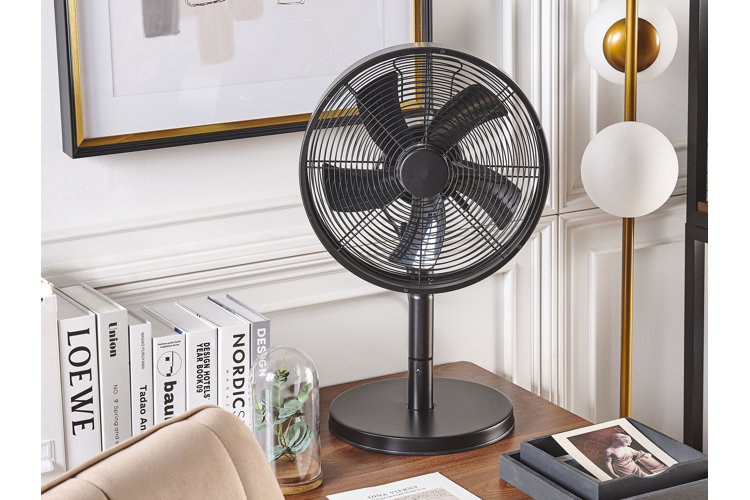
When it comes to staying cool and comfortable at home, portable fans are a go-to solution for many households. These versatile devices come in a variety of shapes, sizes, and designs – making it easy to find one that suits your specific needs. From compact personal sizes to powerful box models, fans offer flexibility, convenience, and cost-effective cooling options for any space.
Types of Portable Fans
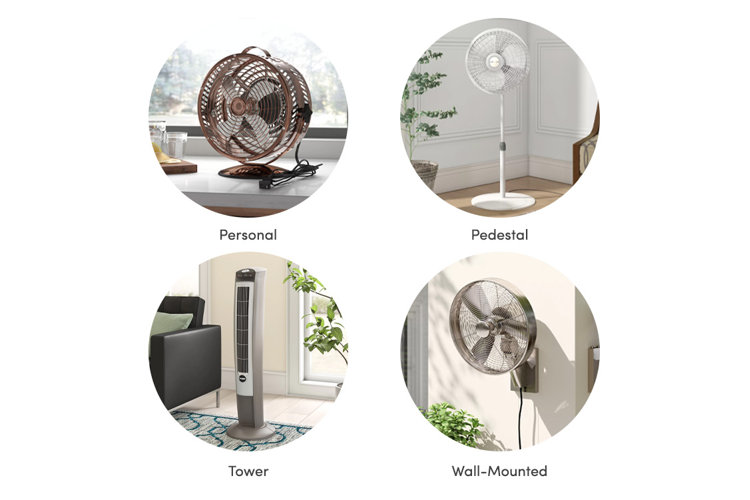
Personal Fans: A personal fan is a convenient tool for staying cool in warm weather, whether you're at home, in the office, or on the go. It's lightweight and portable, making it ideal for use around the house to provide targeted airflow to a single person.
Pedestal Fans: Pedestal fans – also known as standing fans – have long stands and typically range from 18" to 84" in height. They are often height-adjustable and remote-controlled, so you can personalize the airflow. Pedestal fans are effective for gently cooling larger spaces like a bedroom or living room.
Tower Fans: Tower fans have a narrower shape than pedestal fans, making them well-suited for tight spaces and easy storage. They are great for distributing airflow evenly and efficiently around large rooms and often come with an oscillating feature.
Wall-Mounted Fans: A wall-mounted fan is an excellent choice for saving floor or desk space while effectively improving air circulation. It offers adjustable angles from any height, ensuring targeted cooling and evenly distributed airflow in any room in your home.
Box Fans: Box fans are the largest types of fans. Their large blades and powerful motor enable them to create a strong breeze, but they can be noisy. Box fans are the best for cooling large open spaces quickly and can even help dry a damp room by increasing airflow. While they don’t oscillate, many box fans have a tiltable stand to direct their airflow.
Bladeless Fans: Bladeless fans are much quieter and have an especially sleek appearance as compared to other fans – making them perfect for a relaxing space or modern home. They are also a much safer choice if you have curious children or pets that have a tendency to get too close to fans with blades.
Window Fans: This type of fan is designed to fit into your windowsill just like an air conditioner. Not only can window fans bring in fresh air from outside, but they can also draw air out. Be sure to measure your window to find the perfect fit, or choose an adjustable window fan for seamless installation.
Tip!
If you’re looking for information on ceiling fans, check out this guide: Your Guide to Buying Ceiling Fans.
Common Fan Sizes
The size of your fan will determine how well it fits in your space and how much airflow you will get throughout the room. Here are some common fan sizes and their uses to help you find the right fit:
Mini: Mini fans are usually less than 12" tall. Their compact size makes them suitable for small spaces and personal use – like resting on a desk while you work or clipping on a bookshelf while you relax. Some mini fans are designed to be handheld so you can take them on the go and stay cool outside.
Small: Small fans are between 12" and 18" tall and designed to take up limited space while cooling down small- to medium-sized rooms. These fans can help provide relief during warm weather or improve a room’s air circulation.
Medium: At 19" to 35" tall, medium fans are typically designed as bladeless, tower, or box fans that sit on the floor. Due to their size, they naturally take up more space in your home but also provide a stronger flow of cool air.
Large: Large fans are typically 35" tall or more. Tower and pedestal fans can also fall into this category because of their tall, narrow bases that make them perfect for circulating fresh air in large rooms like the primary bedroom or living room.
Quiet Mode: Some fans have a quiet setting option, which is also called noiseless mode or sleep mode. This setting provides a cool breeze at a lower setting that doesn't generate noise so you can read, work, or sleep in quiet comfort. When in doubt, look for fans with plastic blades, as those with metal blades generally tend to make more noise.
Automatic Shutoff: A fan with a timer or automatic-shutoff feature is a must-have if you want to fall asleep while you cool off, but you don't want your fan to run the whole night. Some fans allow you to set a timer for 30 minutes, one hour, two hours, or more. This also helps save energy, as your fan won't run all night.
Misting: A misting feature is a must-have feature for outdoor fans on hot days or indoor fans when the air conditioner won't suffice. Misting fans typically have a compartment you need to fill with water in order to work, but will provide the ultimate refreshment when running.
Oscillating: An oscillating fan offers several benefits by providing dynamic and efficient air circulation. Its side-to-side or rotating motion ensures that cool air is evenly distributed across a wide area, making it ideal for larger rooms and maintaining a consistent temperature throughout the room.
Remote-Included: A fan with a remote control feature offers unparalleled convenience, allowing you to adjust settings like speed, oscillation, and timer without leaving your seat. This is especially beneficial for bedrooms, living rooms, or offices where easy accessibility enhances your overall comfort.
Outdoor-Suitable: Outdoor fans will help you to stay cool and comfortable while enjoying the fresh air during peak summer heat. Their weather-proof coating and rust-resistant properties allow you to leave your fan outside regardless of rain or humidity.
Speed Settings: Almost all fans come with different speed settings to provide customizable airflow to suit your comfort and the changing temperature. You can choose a gentle breeze for relaxation or a stronger airflow for cooling during hot weather – providing energy-efficient flexibility that is sure to keep you comfortable in any scenario.
Adjustable Stand: From height-adjustable pedestal fans to tiltable wall-mounted fans, adjustable stands make it easy to customize your cooling.
