Types of Door Hinges
Learn about the different types of hinges for doors.
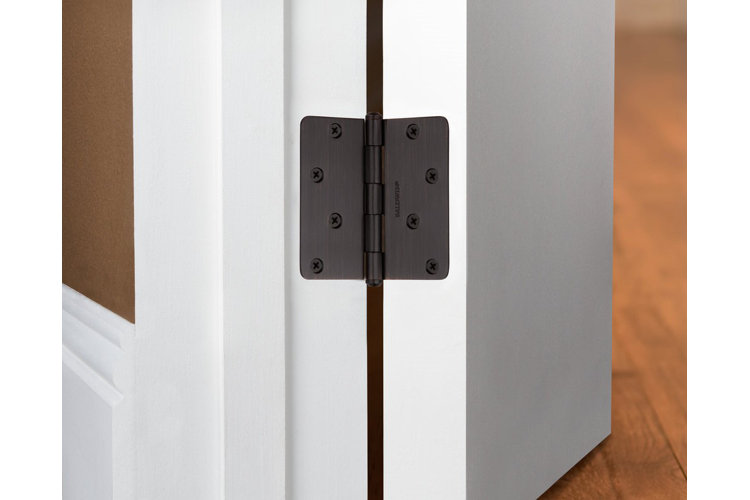
Although they are not often given much thought, hinges are an integral component in the correct functioning of a door. It is not until you have to replace an old model or install a new door that you have to consider the types of door hinges available to you. Read this guide to ensure that you select the right door hinges for a smooth repair and installation.
Hinge Design
The physics behind how hinges work are fairly straightforward. A door hinge functions by connecting a door to the frame, and creating a pivot point that facilitates the opening and closing of that door while maintaining its correct position. You can break these hardworking pieces of hardware down into three simplified components.
Leaf: This is the flat part of the door hinge that screws into both the door and door frame to hold it in place.
Knuckle: The center part of the hinge – where the two leaves meet – is called the "knuckle." This cylindrical shape forms the pivot point that allows the door to move and the hinge to function correctly.
Pin: A long pin inserts through the middle of the knuckle in order to connect the two leaves. In many cases, if you pull this pin out, you can remove the door directly from the frame.
Installation Type
There are two types of installations available for door hinges — mortised and surface mounts. The types of door hinges you select will directly affect your installation options.
Mortised: Mortised hinges — also known as inset hinges, are recessed into the surface of the door frame and sit flush with the closed door. They require additional and precise measurements for an exact fit. These types of hinges make for a durable and secure connection between the moving parts, which is why they are the ideal choice for doors that are heavy and/or frequently used.
Surface-Mount: Surface-mounted hinges – also called frameless mount hinges – are mounted without a mortise being cut into either the door or frame. They offer the easiest installation method as they don't need a hole, but are instead mounted on with one leaf secured to the door and the other to the door frame.
Types of Hinges

There are many different types of hinges for doors — exterior, interior, closet, and cabinet. It is important to choose the right types of door hinges as they will directly affect doorway access as well as the overall image for those doors. To learn more about cabinet hinges: Your Guide to the Types of Cabinet Hinges.
Butt Hinge
Butt hinges require a mortised installation in both the door and frame to allow for a flush fit. This door hinge is so named because of the way in which the two mortised leaves butt up against one another when the door opens. There are two types of butt hinges.
Plain: The most commonly used type of hinge is the plain butt hinge. It comprises two leaves (one attached to the door and one to the frame), the knuckle – the curved barrel that allows for opening and closing – and the pin, which may or may not be removable. These types of door hinges are usually installed on lightweight interior doors.
Ball-Bearing:Ball-bearing butt hinges contain lubricated bearings that are hidden between the hinge knuckles in order to reduce friction and allow the door to move smoothly. These heavy duty door hinges are best used for cumbersome and frequently used doors thanks to their durability and strength.
Spring-Loaded: Spring-loaded hinges look similar to butt hinges but commonly have a spring attached to the pin to allow the door to automatically close behind you. It is possible to calibrate these types of door hinges to open and close with varying tensions. Spring-loaded hinges are best used on screen and patio doors.
Surface-Mount: Surface-mounted hinges attach to the exterior of the frame and door without using a mortise, making for easy installation. Due to their functional and ornamental features, they are frequently used on shutters, cupboards, and interior doors. The leaves of surface-mounted door hinges usually have a symmetrical design, which is why they are also known as butterfly hinges. They cannot be used to lift or support heavy or exterior doors.
Invisible/Concealed: If you want a clean look for your door, invisible/concealed hinges (also called European hinges) are ideal. They are hidden when the door closes, giving a smooth and uninterrupted appearance. These types of hinges are installed against a recess in the door where they cannot be seen. They are especially popular for cabinets as they don't take away from the design or beauty of the cabinetry itself. Due to the fact that invisible/concealed hinges allow the door to open to a full 180 degrees, they work well for bi-fold or concertina doors.
Offset: If you are looking to extend a doorway opening, you may want to consider offset door hinges. The hinge functions by swinging the door away from the frame and out of the opening, thus increasing the doorway width by up to 2 inches. This is especially helpful if you are trying to accommodate a walker, a wheelchair, or make it easier to move furniture between rooms.
Self-Closing: For the ultimate convenience, a self-closing hinge has got you covered. These types of door hinges use hydraulic spring hinges that contain a vacuum of air which works to pull the door shut on its own. They are most commonly used in kitchen cabinets where you may not always be able to close a door after yourself
Whether you are looking for a replacement or installing a new door, you can now choose the best types of hinges for the job.
