Types of Shower Doors & Tub Doors: How to Choose the Best One
Say goodbye to your shower curtain with these tub and shower door types.
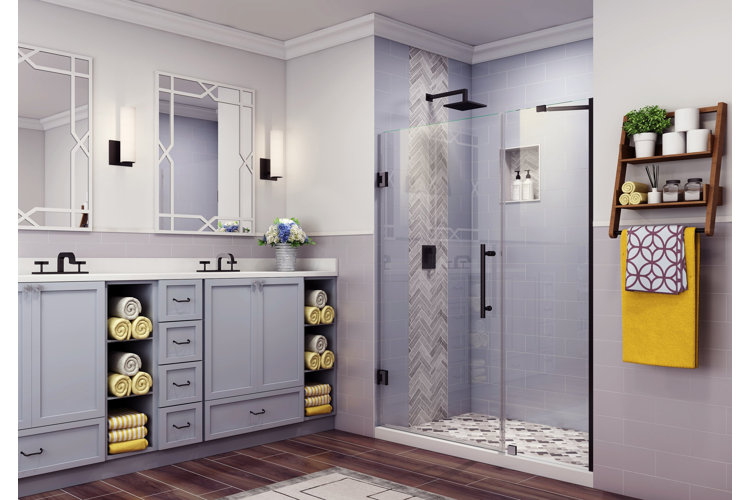
Trade in your shower curtain for a permanent, easy-to-clean door for your shower enclosure or shower/bathtub combo. Read on to discover what types of shower doors are available and which one is right for your space.
Initial Considerations
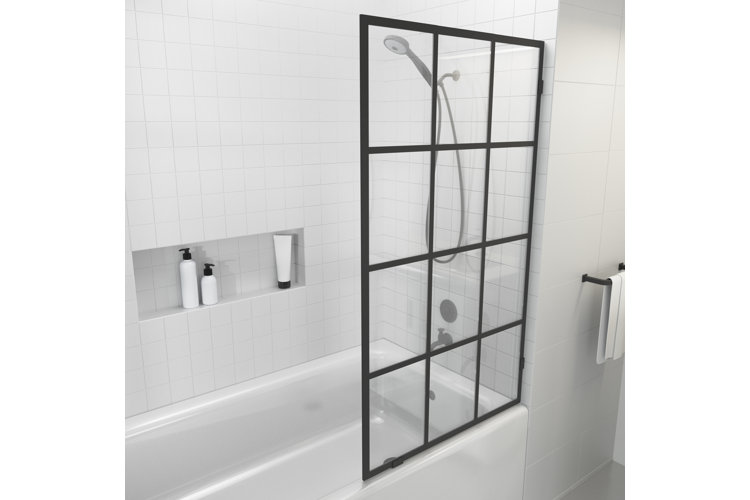
Before you start browsing for the right types of shower doors for your bathroom, make sure to review the following considerations to streamline your shower or tub door browsing experience:
Application Type
First, take a look at your shower or bathtub space and decide which option you need. Does your bathroom have a shower or a tub? What about a shower/tub combo? That should guide your initial door search. Shower doors are designed with more height because they're meant to accommodate a shower base that doesn't sit far off of the ground.
Tub doors work for either shower/bathtub combos or singular bathtubs when you want the added look of a protected bath sanctuary. Tub doors are typically shorter in height to accommodate the raised base of the bathtub and sometimes consist of one panel of glass meant to keep water from leaving the shower area while the other side remains open so you can step in and out of the space with ease.
Bathroom Size
Now that you know which application type works best for you, it's time to think about which shower door sizes will work best with your bathroom size, as well as any potential obstructions like an adjacent bathroom vanity or toilet.
As a general rule, sliding, folding, or fixed doors work best for small bathrooms with limited space or shower/bathtub areas in close proximity to permanent bathroom fixtures. This is because they don't require the clearance needed by pivot or hinge doors to swing outwards, and in the case of fixed doors, there is always an open space from which to enter or exit without the need to open or close the door (more on door opening styles further down).
Tip!
Get more in-depth measurements and visuals to streamline the installation process in our How to Measure a Shower Door Guide.
Shower & Tub Door Frame Types
Types of shower doors and bathtub doors come in one of three frame types that satisfy the aesthetics of your bathroom as well as your budget.
1. Framed
Framed shower or bathtub doors are usually on the lower end of the price spectrum because they have a metal frame that covers each side of the glass. The support of the frame allows for the use of thinner glass, which is more budget-friendly and easier to install since the metal frame is already in place. An added bonus – framed doors seal in the most water to prevent it from leaking outside of your shower enclosure.
2. Semiframeless
Semiframeless shower/tub doors create the illusion of a more open space while still providing the support of frames either to the sides or top and bottom of the glass. Semiframeless doors are more mid-price because they offer structure while still creating the frameless feel, which requires slightly stronger glass than fully-framed doors.
3. Frameless
Frameless tub or bathroom shower doors elevate bathroom interiors with an ultra-modern look and "barely-there" appearance which works well to create the illusion of space in small bathrooms. Although frameless doors are typically on the higher-end of the price spectrum, they have strong tempered glass that's meant to last.
Shower & Tub Door Glass Types
With door-opening styles and frame options in mind, it's time to consider the range of shower door glass types you can choose from.
4. Clear
Clear glass doors for your shower or tub allow you to showcase intricate shower tiles, create the illusion of space in small bathrooms, and add a sleek vibe that can be traditional or modern. They also help if you don't have a light installed directly above the shower area, as the clear glass allows maximum light into your shower or bathing space.
5. Frosted
Frosted shower or bathtub doors allow for privacy in shared bathroom spaces while still allowing some light through the opaque glass. Besides added privacy, frosted glass doors also hide water stains so it looks clean no matter what.
6. Patterned
Patterned glass shower doors come in a variety of glass patterns from striped frosted details intermixed with clear glass, rain-patterned tempered glass, or doors with window-pane designs. Patterned glass doors are a great way to add a hint of luxury to your bathroom.
Additional Considerations
Before you start browsing, take a moment to look at these additional considerations for a shower or bathtub door:
- Glass Materials: Shower and bathtub glass doors usually include a type of safety glass. Safety glass is specially designed to absorb impacts and crack in a way that doesn't splinter; therefore making it less likely to cause injuries. Tempered glass gets quickly heated and then cooled, which results in a splinter-resistant surface that breaks into tiny pieces when impacted too hard. Tempered glass is the next step up from regular glass, but still the more budget-friendly option among safety glass.
- Hardware Finishes: When deciding how to pick a shower door, match your shower door handle, hinges, and frames to the other hardware finishes in your bathroom, such as faucets, vanity handles, and light fixtures. Choose from metal finishes like brass, stainless steel, brushed nickel, polished chrome, or matte black – and other color finish options.
- Door Configurations: If you know you need a shower door that opens left or right to accommodate your bathroom layout, you can filter by door-configuration type. If you value flexibility, narrow your search around doors with reversible configurations so you can re-attach the hinges to either side of the threshold if needed.
Tip!
Now that you’re equipped with the information you need to determine how to buy a shower door that works best for you, check out these helpful guides:
DIY Shower Door Installation
How to Choose a Shower Enclosure
How to Choose Shower Fixtures for Your Bathroom
