Types of Shower Valves
Choose the right valve for your shower setup.
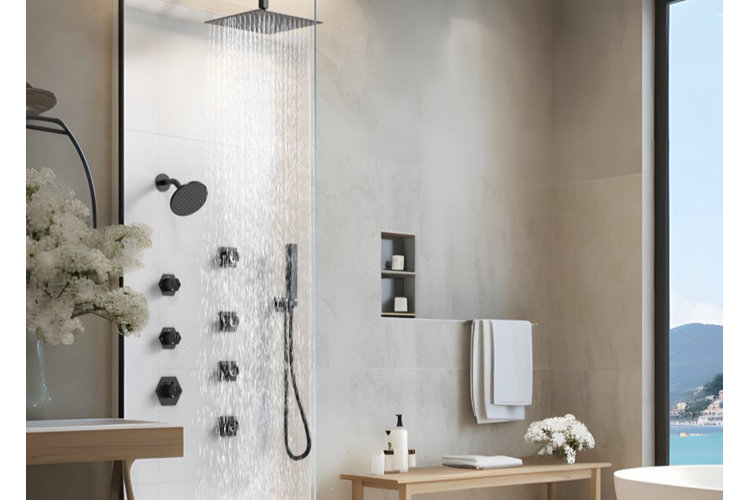
What Is a Shower Valve?
Controlling water temperature and flow from your shower head, the shower valve is an integral component of every shower system. A shower valve combines hot and cold water to create a comfortable water temperature during use, preventing abrupt fluctuations. It regulates the flow of water to create a consistent pressure and provide a dependable shower experience – different types of shower valves provide a variety of benefits, which we will explore in detail below.
### Tip!
Interested in a full breakdown of shower valves? We've got you covered with our What Is a Shower Valve Guide.
Types of Shower Valves
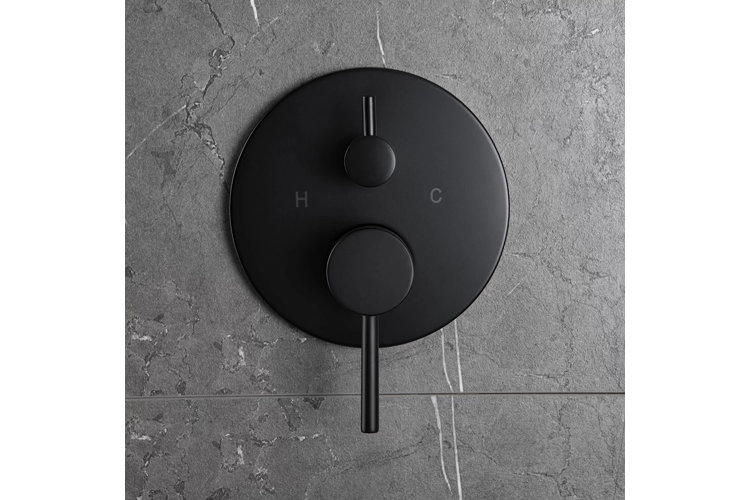
Now that you know what a shower valve is, you’re ready to explore different options. Whether you’re installing a brand new shower or replacing your existing system, the different types of shower valves are important considerations. Understanding each option and its compatibility with your shower is key. Every type of valve possesses a variety of features, ranging from temperature control to water flow rotation among multiple shower heads. Many valves can perform an array of these functions, making it crucial to develop an understanding of each selection. Below are a few of the most common shower valves and why each might be right for your shower.
Pressure-Balancing Valves
Pressure-balancing valves are required under the majority of residential safety codes, making them the most common shower valve types. They regulate water pressure and temperature, ensuring consistency in these factors even when other water sources in the home are running. Pressure-balancing valves combine the hot and cold water supplies to provide a safe, comfortable water temperature.
- Pros: Pressure-balancing valves are affordable and simple to install
- Cons: These valves do not offer the precise temperature control that some other models do.
- Best For: Older homes, where pressure-balancing valves are widely used, and more basic shower setups.
Thermostatic Valves
As their name suggests, the primary function of thermostatic valves is fluent temperature control. These shower valve types contain mechanisms that allow for quick transitions between hot and cold water flows. These valves contain built-in thermostats that gauge water temperature and adjust it accordingly to your desired level. A common perk of thermostatic valves is a dial that allows users to preset water to their ideal temperature.
- Pros: Precise temperature control, creating a more comfortable shower experience.
- Cons: Thermostatic valves are typically more expensive than pressure-balancing valves, and may require professional installation.
- Best For: Homes with larger families that have varying temperature preferences and anyone seeking a more lavish shower experience.
Diverter Valves
These unique shower valve types were created to divert water from the tub to the shower head, making them perfect for combination tub and shower units. In addition, diverter valves rotate the flow of water between multiple shower heads – if your shower contains more than one, a diverter valve is what your shower likely possesses. If you’re installing a new shower system with multiple water fixtures, the diverter valve is just what you need.
- Pros: These valves alternate water flow among shower heads, handheld spray units, and tubs.
- Cons: Frequent use between fixtures may result in quicker wear over time.
- Best For: Shower or bath units with multiple outlets.
Rough-In Valves
While other types of valves are only compatible with specific trims, the appeal of rough-in valves is that they offer versatility, making them ideal if you plan to select a trim style later on in your valve installation process. When installed, rough-in valves serve as the foundations for the shower system, connecting to supply lines to control hot and cold water flow. The external parts of rough-in valves are visible during use, allowing flexibility when it comes to your final design choice.
- Pros: Rough-in valves are compatible with a variety of trim options and provide reliable water flow.
- Cons: The installation for these valves can be more complex, and professional assistance may be required for any valve repairs.
- Best For: New shower installations or remodels where your focus is exterior trim design.
Tip!
Ready to replace your shower valve but unsure how? Our comprehensive How to Replace a Shower Valve Guide walks you through every step.
Factors to Consider When Selecting a Shower Valve
1. Compatibility With Your Shower System
Different shower valves are compatible with specific plumbing setups – selecting a valve that can be successfully installed within your shower system is the most critical consideration. Using your current valve as a guide is a helpful approach throughout installation – take note of the brand and model to find similar options. If you need additional assistance, consider bringing your old valve or trim plate to a local hardware store for guidance.
2. Safety Concerns
Safety is extremely important when selecting a shower valve, especially if you live with children or elderly family members. Thermostatic valves are generally considered the safest options because safe temperatures can be preset and maintained. However, pressure-balancing valves offer safety by preventing extreme pressure fluctuations.
3. Budget
Prices of shower valves vary, ranging from affordable options to expensive selections equipped with more features. Pressure-balancing valves are typically the most affordable, while thermostatic valves can be more expensive because of their precise temperature control capabilities. No matter what you decide, consider evaluating your budget before you begin browsing shower valves.
