What Are LED Lights?
Learn more about LED lights and why you should use them.
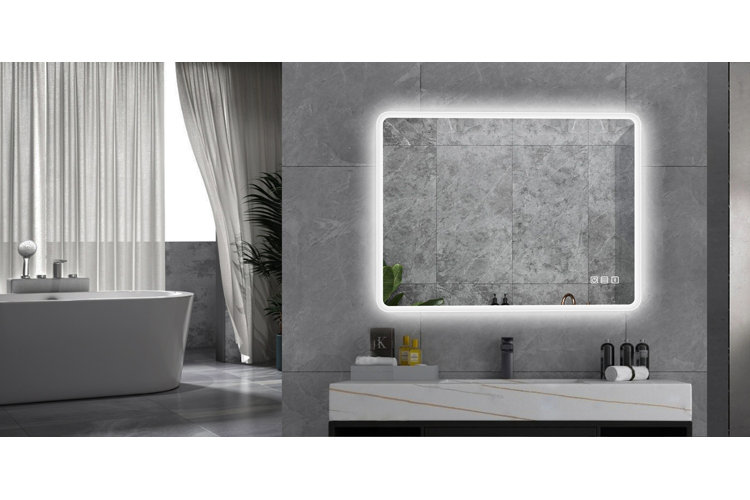
Since its invention in the 1960s, the LED bulb has changed the way lighting works and has grown in popularity ever since. While it is widely known that they are energy-efficient alternatives to traditional light bulbs, this still begs the question – what are LED lights? Before you begin exploring our impressive array of lighting options and designs, it is important to first level-up your knowledge of LED lighting and its benefits to help guide you. Keep reading to learn more about these versatile lighting options so you can select what will best work in your home.
What Are LED Lights Made Of?
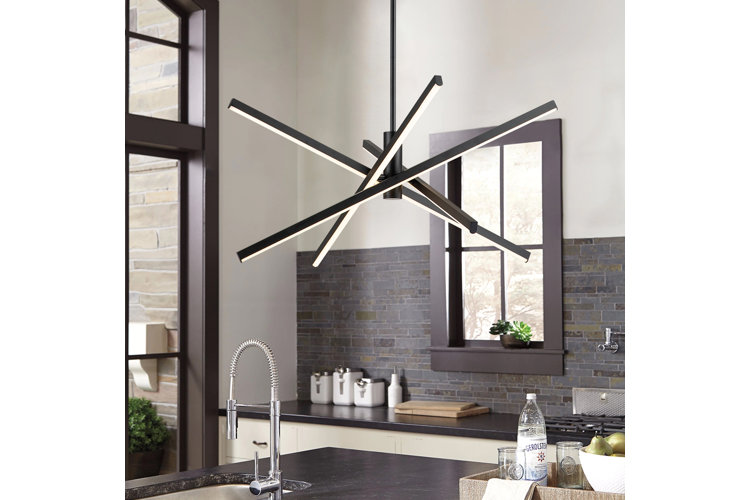
LED is short for "light-emitting diode." These semiconductor devices comprise two electrodes (anode and cathode) that emit visible light when an electric current flows through them. The components that make up LED lights differ depending on the type of technology used. There are two main types used for light bulbs:
(SMD) Surface-Mounted Diode: SMD LED light bulbs include a base that connects to a compatible light fixture; a driver that controls the electric current from the base to the bulb; a thermal pad to regulate heat, preventing overheating; a LED module with chip clusters, and a diffuser (the bulb itself) that encapsulates the chip portion.
COB (Chip-On-Board): COB LED light bulbs work similar to SMD bulbs, except they incorporate multiple light-emitting diodes in each chip within a tight chip cluster. This adds to the brightness capabilities of LED light bulbs.
LED Lighting Overview
There is an impressive range of LED lighting options available for you to choose from. Whether you are looking for vanity lights, wall sconces, pendant lights, and more, you'll find everything in our guide Types of LED Lighting: Brighten Up Your Life the Eco-Friendly Way.
How Do LED Lights Work?
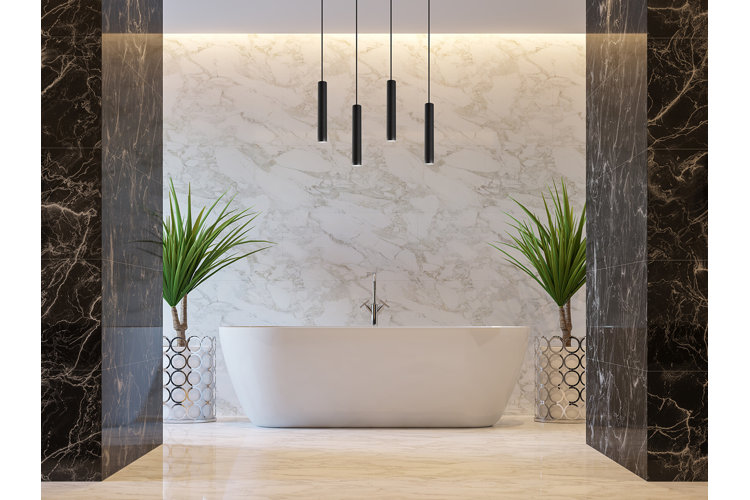
LED light bulbs work when they are attached to a compatible light fixture base. When plugged in or turned on, the light fixture passes electricity through the bulb base and through the module containing clusters of microchips. The fusion of electric energy causes the LEDs (light-emitting diodes) inside the chips to create light.
Unlike traditional light bulbs, LED bulbs don't need heat to produce a light source. In short, LED lights use diodes as semiconductors to create a light source without heat – unlike incandescent light bulbs, which rely on a metal filament heating up and glowing to produce light. They are able to produce light that is up to 90% more efficient than that of incandescent light bulbs.
Common LED colors include red, green, and blue (RGB). Some LED lights combine the different colors to create white light while others are covered in a phosphor material that converts the light color to the white lighting that is commonly used in homes.
LED light bulbs provide a variety of benefits when compared to common incandescent options. Here are some benefits you could receive by going LED:
Less Energy Consumption: LED light bulbs are a great eco-friendly option if you're looking to go green because they don't require the amount of electricity that incandescent light bulbs need to operate.
Lower Household Costs: LEDs provide the potential for lower electricity/energy bills because they require less electricity to produce the same brightness as incandescent bulbs.
Long-Lasting Usage: LED lights have the potential to last for years, longer than traditional incandescent bulbs. LED bulbs vary in usage, but some can work for 50,000 hours or more. To put things in perspective, traditional incandescent light bulbs have around 1,000 hours of use. They don't burn out or fail but rather experience "lumen depreciation" when the brightness dims over time. Read What Are Lumens in Lighting? to learn more about this unit of measurement.
Diverse Options: You can find a range of LED lighting options now that LED lighting has gained more popularity in residential homes. This means you can get the look and appearance of warm white incandescent light bulbs while saving energy – and money – in the long-run.
With your newfound knowledge on what LED lights are, you can now move onto looking at the different designs, and finally upgrade your home to a more energy-efficient system that will save you money and look fabulous at the same time.
You Might Also Like:
