What Color Light Is Best for Sleep?
Pick the right nighttime light.
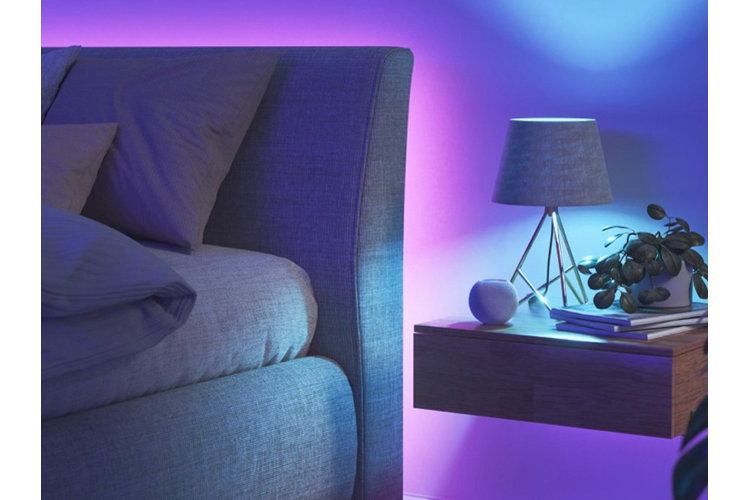
Sleep is vital to your physical and mental health, so a good night's rest is crucial. While your mattress and bedding are partially responsible for comfortable slumber, evidence indicates specific colors may also affect your sleep quality. Warm colors can help you sleep better and cool ones may have a negative impact – so the question is “What color light is best for sleep?”. Together, we'll explore different light tones and the effect they can have on your bedtime routine.
What Color Light Is Best for Sleep?
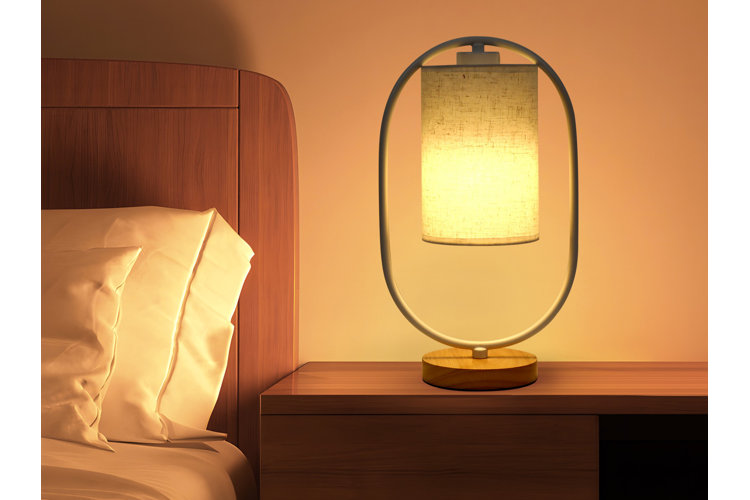
When it comes to sleep, there are a few important terms to understand. First is circadian rhythm – the process that regulates your body's sleep based on light exposure. Second, our sleep-wake cycles are naturally controlled by a hormone called melatonin. Additionally, our eyes feature specialized photosensitive receptors which react to light. Together, the different light wavelengths are responsible for sending signals to our brains to influence the production of melatonin.
This means you can affect your sleep cycles using specific lighting colors in your bedroom. For this reason, you should select colors that help you sleep more easily and avoid those that don't.
Which Color Should You Choose?
Complete darkness is ideal for getting good rest but isn't always attainable. Exterior and city lights enter windows, you often need at least some light to find your way around when you get up at night, and some children need night-lights. The next best thing you can do is change your lightbulbs for those designed to promote better sleep.
There are two light tones that have the ability to impact your rest: warm and cool.
Warm Light Colors
Lightbulbs with warm red and yellow undertones usually cause less disruption to your circadian rhythm, encouraging the body to produce more melatonin and allowing you to more easily enter a sleep cycle.
Red Light: This calming hue mimics the wavelengths of a sunset but also should provide enough light to read by and see with during the night. Consider using a pink Himalayan salt lamp or red night-light a few hours before sleep.
Amber Light: This resembles candlelight, helping you feel more relaxed and fall asleep faster. Not only can amber light promote better sleep, but it can also affect your body and mood positively the following day.
Cool Light Colors
Cool colors can signal daylight to your body, suppressing your melatonin production and interfering with your mind's ability to shut off.
Blue Light: Usually found in phone and TV screens (as well as many other digital devices), meaning it can be difficult to avoid. Blue light disrupts your circadian rhythm and can even negatively affect the way you feel the next day.
White/Bright Light: White and bright lights emit blue-green wavelengths which make it difficult to fall back asleep. They can often be found in bathrooms (especially over vanities) and some overhead lights.
Tip!
Want to learn about color temperature? Read Bright White vs. Soft White: Light Bulb Color Temperature Explained.
How to Improve Your Sleep
There are a few simple things you can do to increase the quality and quantity of your sleep.
- Don't sleep with the lights on.
- Replace your bedroom bulbs with warm ones or blue light–blocking options.
- Replace night-lights with red or amber ones.
- Ensure any warm lights you select are specifically designed to help with sleep since there are many bulbs in these hues that still emit disruptive blue or green light.
- Reduce white or bright light exposure before bed.
- Reduce your screen time before bed.
- Keep electronic devices away from the bed to avoid temptation to use them.
- Alternatively, select night mode on your smart devices to reduce the effects.
- Use blackout curtains to block light from outside.
- Use a floor and table lamps instead of overhead lights.
- For more lighting inspiration, read Bedroom Lighting Ideas to Brighten Up Your Boudoir.
Now you know what color light is best for sleep, you can get the best rest possible.
