What Is a Frying Pan?
A versatile addition to your stove top.
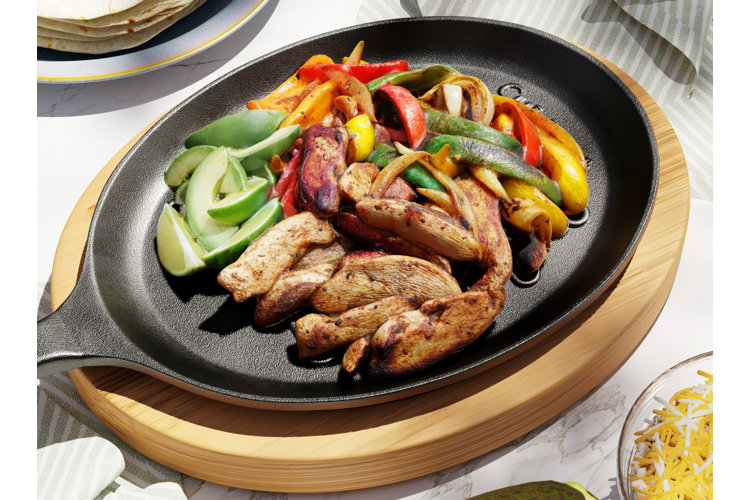
What is a frying pan? This guide goes over everything you need to know about frying pans, including their benefits, uses, care needs, and how to choose the perfect one for your kitchen.
What Is a Frying Pan?
Frying Pan Benefits
How to Choose a Frying Pan
Ways to Use a Frying Pan
Frying Pan Cleaning & Care Tips
What Is a Frying Pan?
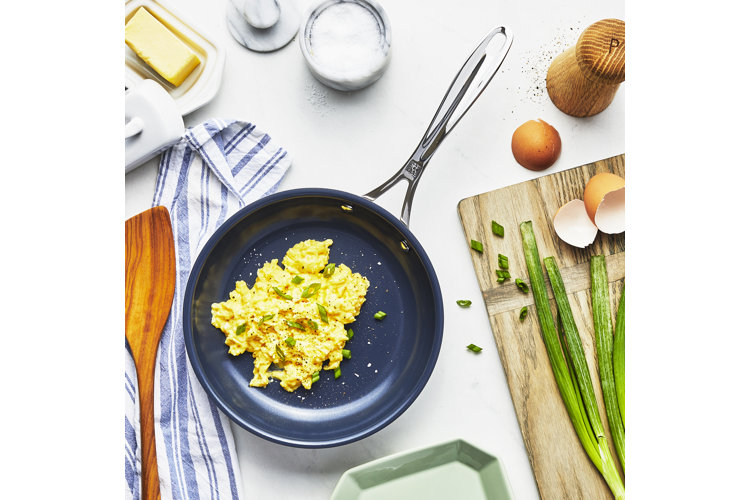
A frying pan is a type of stove top cookware featuring a single handle attached to a round pan with a flat base and slanted edges. The purpose of a frying pan is to shallow-fry, sauté, sear, brown/caramelize, and cook a wide variety of foods right on your stove top. It is designed with slanted edges to make it easy to flip food over so it can evenly cook.
Frying Pans vs. Skillets
Frying pans and skillets are essentially the same thing! Sometimes frying pans are called skillets when they're made of cast iron (cast-iron skillet), or when they have a deeper pan, but it really all comes down to personal preference and which name is used more in your geographical area. Check out What Is a Skillet? Find the Skillet That Suits Your Needs to learn more about how to distinguish between the two.
Frying Pans vs. Sauté Pans
Although you can use a frying pan for sautéeing activities, a sauté pan is specifically designed for the task. While frying pans have slanted sides to make it easier to flip or shallow-fry food, sauté pans have a wider, flat base and straight sides to make it a breeze to sear and sauté fish, thin cuts of meat, or vegetables. The pan depth and straight side edges allow you to fill the pan with a bunch of veggies that will cook down in the pan as you sauté them. It all comes down to preference and the volume of the food you want to cook!
Frying Pans vs. Woks
The main difference between a frying pan and a wok is their shape and cooking functions. Frying pans are shallow, flat-bottomed, and slanted on the sides for searing, sautéeing, and shallow-frying activities. In contrast, woks have deeper pans and curved sides, which make them perfect for cooking stir-fry dishes and even boiling or deep-frying food! Now that you've had a chance to compare woks vs. frying pans, review our What Is a Wok? guide to learn more about wok pans.
Tip!
Explore more cookware options in our guide on Types of Pans & Pots for Every Purpose.
Frying Pan Benefits
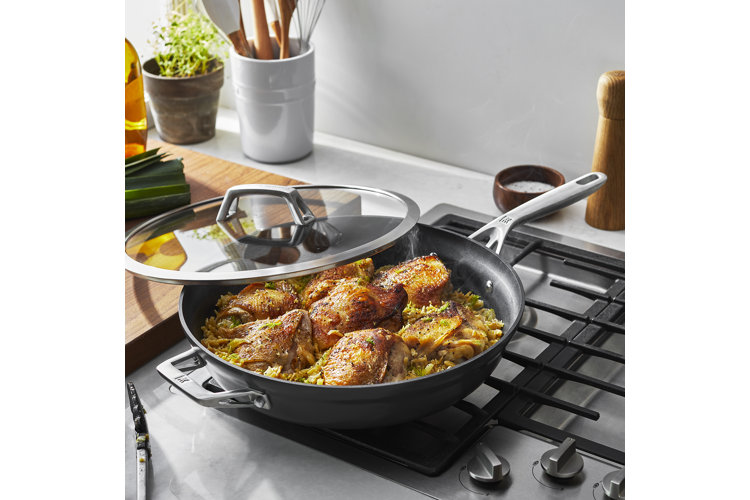
With a better understanding of what a frying pan is and how it compares to other types of cookware, let's dive into its benefits. If you're still wondering whether or not you should add a frying pan to your cookware collection, review this section.
- Versatile: With one frying pan, there are so many different cooking functions you can achieve! From shallow frying, searing, or sautéeing, to reducing sauces, a frying pan can open up a whole new world of cooking possibilities.
- Requires Less Oil: Frying pans need a lot less oil to cook compared to deep-frying pans. Therefore, you're not only using less oil per cook, but you're also reducing the amount of oil that gets infused in your food while still getting a delicious, fried result. This makes using a frying pan a potentially healthier option. You just have to flip food over to ensure each side gets equally fried.
- Heats Quickly & Evenly Distributes Heat: You won't have to wait long for your frying pan to heat up thanks to the flat-bottom shape of the pan. This design element also helps to evenly distribute heat across the pan so you can cook food to perfection and ensure every side of the pan delivers the right amount of heat.
How to Choose a Frying Pan
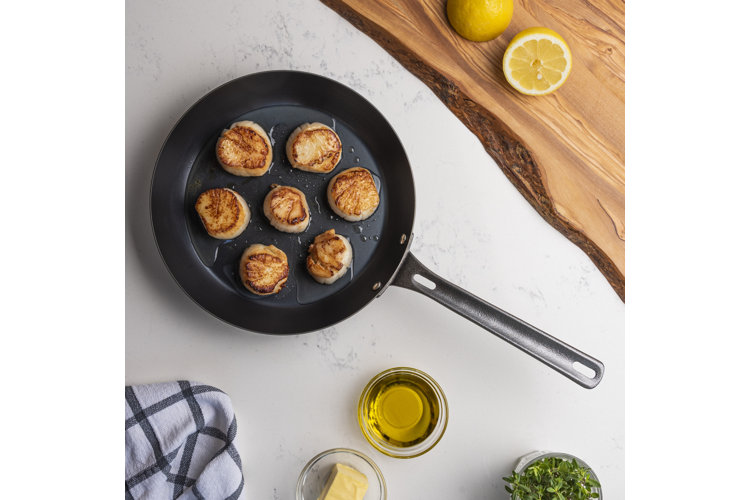
In this section, we walk you through how to select the perfect frying pan for your kitchen. Keep reading to determine the best material, size, and features for your frying pan.
1. Select the Perfect Material
Here's a breakdown of frying pan materials to help you choose the best one.
Stainless Steel: Stainless steel frying pans are dishwasher-safe, ultra-durable, and non-reactive (meaning you can cook acidic foods in them without worrying about deteriorating the metal). These frying pans are built to last for decades and deliver quality performance. You can also use metal, wood, or silicone cooking utensils on stainless steel pans without worrying about scratches!
Aluminum: Aluminum frying pans are slightly more budget-friendly, great conductors of heat, and super lightweight, allowing you to maneuver the pan with ease. When choosing an aluminum frying pan, you might come across anodized or hard-anodized aluminum options. This just means that the aluminum has undergone a process that covers it in a protective layer of oxide, with hard-anodized aluminum cookware having a thicker protective coating. Both anodized and hard-anodized aluminum help make aluminum cookware non-reactive so you can cook with acidic foods without worrying about how it will affect the metal. It also makes them nonstick. Wood and silicone cooking utensils work best with aluminum cookware to prevent scratching the coatings.
Ceramic: Ceramic frying pans are naturally nonstick and free of harmful chemicals, making them a great choice for healthy cooking. They are also non-reactive so you can cook acidic foods without worry. Have a dish that needs to finish off in the oven? Not a problem! Most ceramic frying pans can go both in the oven and on the stove top (just be sure to check the manufacturer's recommendations). These frying pans are compatible with wood and silicone cooking utensils.
Cast Iron: Cast-iron frying pans are classic, heavy-duty pieces of cookware that can last for years with the right care. They can go on the stove top or in the oven, and won't warp when exposed to high temperatures. You can also use any cooking utensil material on them without worry. When shopping for a cast-iron frying pan, you'll likely come across seasoned or enameled options. "Seasoned" cast-iron pans prevent instances of rust, while enameled cast-iron pans prevent rust while also providing a protective layer so you can cook with (reactive) acidic foods.
Carbon Steel: Carbon steel frying pans are great lightweight alternatives to cast-iron pans if you want a similar look and durability at a more budget-friendly price point. They heat up and retain heat well and are suitable for use with wooden or silicone cooking utensils. They are reactive to acidic foods but you can season the pan to make it more durable.
Copper: If you're looking for a frying pan that can heat up quickly and maintain a consistent temperature, copper might be the way to go. Besides its heating properties, it also has a beautiful finish that gives any kitchen a polished, professional-grade appearance. Copper is suitable for electric and gas stove tops and can be used with wood or silicone cooking utensils. This frying pan material is usually paired with another metal like stainless steel to help protect it from acidic foods.
2. Choose a Frying Pan Size
The average frying pan ranges from 8" – 12" in diameter to match the typical size range of stove burners. Here's an overview of frying pan sizes and how many people they can feed.
Mini: Mini frying pans are typically less than 6" in diameter and are perfect for cooking for one person.
Small: Small frying pans are 6" – 9" in diameter and are suitable for cooking food for two people.
Medium: Medium frying pans are 10" – 12" in diameter and can cook food for up to four people at a time.
Large or Extra-Large: Large frying pans range from 13" – 15" in diameter and are suitable for making food for up to six people at a time. Extra-large frying pans are usually more than 16" in diameter and can accommodate the cooking needs for eight or more people at a time.
3. Decide on Must-Have Features
Once you know your ideal frying pan material and size, it's time to consider which features you can't live without. Whether you want to guarantee your pan will be nonstick, dishwasher-safe, or oven-safe, or prioritize safety by opting for cool-touch handles and PFOA/PTFE-free options, there are endless features to choose from! You can even look for frying pans with lids so you can keep the contents of the pan warm as you cook other stove top dishes.
So, what is a frying pan used for? Here are some versatile examples of how to use a frying pan, whether you're preparing breakfast, lunch, or dinner.
- Scrambling or frying eggs
- Cooking omelets
- Flipping pancakes
- Cooking hash browns
- Searing scallops
- Cooking grilled cheese
- Making French toast
- Sautéeing fish or slices of meat
- Sautéeing vegetables
- Baking pasta dishes (for oven-safe or cast-iron frying pans)
- Making fried rice
- Pan-frying chicken or fish
- Toasting hot dog or hamburger buns
- Cooking hot dogs or hamburgers
Tip!
With so many frying pan uses, here are a couple delicious recipes to try:
Banana Bread French Toast
Tofu Tacos
Frying Pan Cleaning & Care Tips
Now that you know what a frying pan is, let's go over how to clean one properly to preserve its quality over time. Here are some cleaning and care tips for frying pans.
- Let the Pan Cool After Use: Allow your frying pan to cool before washing it (this applies to dishwasher-safe and hand-wash-only pans alike). This is important because it keeps the pan from warping and preserves the pan if it has nonstick coatings. If a hot pan comes in contact with cold water, it can degrade the finish and cause warping over time.
- Defer to the Manufacturer's Care Instructions: Always reference the product care instructions outlined by the pan's manufacturer to determine if it's dishwasher-safe or needs to be hand-washed.
- Use the Correct Cooking Utensils & Cleaning Tools: Preserve the quality of your frying pan by using the right cooking utensils and cleaning tools. Use silicone spatulas on pans with nonstick coatings, as metal spatulas can scratch the coating when they come in contact with nonstick pans. You should also refrain from using stainless steel scrubbers on any pan material other than stainless steel or cast iron as this can also scratch/remove nonstick coatings over time.
- Follow Care Practices for Specific Pan Materials: When in doubt, determine the best cleaning methods for your frying pan by researching how to best care for their materials. Our What Is Stainless Steel? guide goes over care tips for stainless steel cookware. Have a cast-iron frying pan? Review Cleaning 101: How to Clean a Cast-Iron Pan for cleaning and seasoning tips.
