What Is a Pizza Peel?
Become an at-home pizza connoisseur.
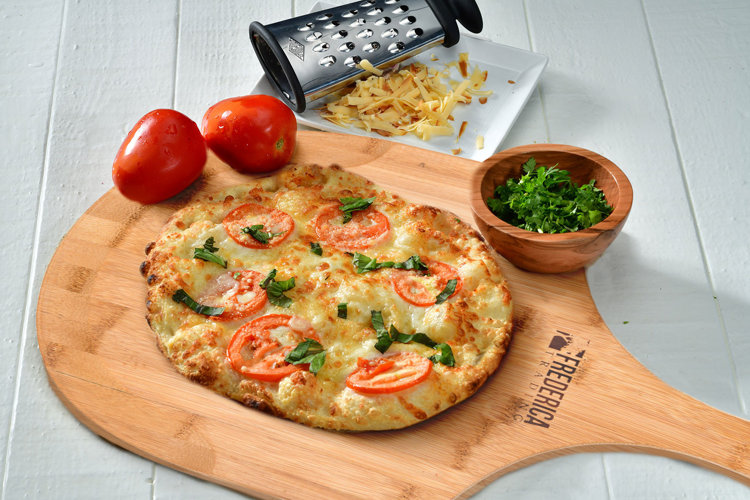
Whether you want to amplify the pizza you grabbed from the frozen food section, or make homemade pizza-baking even easier and aesthetically pleasing, you can't go wrong with the pizza peel. So, what is a pizza peel? Keep reading below for more insights into the importance of the humble pizza peel and how to choose the right one for you.
What Is a Pizza Peel?
Pizza Peels, Pans, and Stones: What Is the Difference?
Why Use a Pizza Peel?
How to Choose a Pizza Peel
What Is a Pizza Peel?
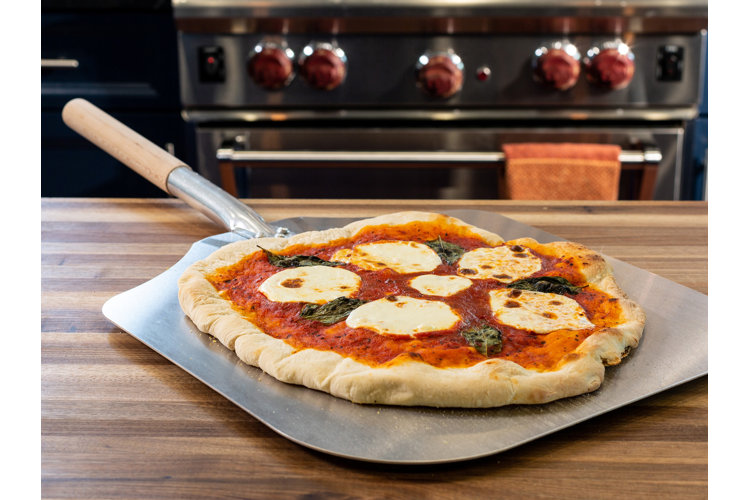
A pizza peel is a large spatula-like baking tool commonly used to transfer pizza in and out of the oven. However, you can also use pizza peels for other baked goods like homemade bread. Sometimes referred to as a "pizza paddle", you can use this tool to transfer pizzas to and from indoor kitchen range ovens and outdoor pizza ovens alike. Take a look at the next section to learn more about what distinguishes a pizza peel from a pan or stone.
Tip!
Check out The Best Outdoor Pizza Ovens to make pizza in style. Or review Types of Outdoor Pizza Ovens for more inspiration.
Pizza Peels, Pans, and Stones: What Is the Difference?
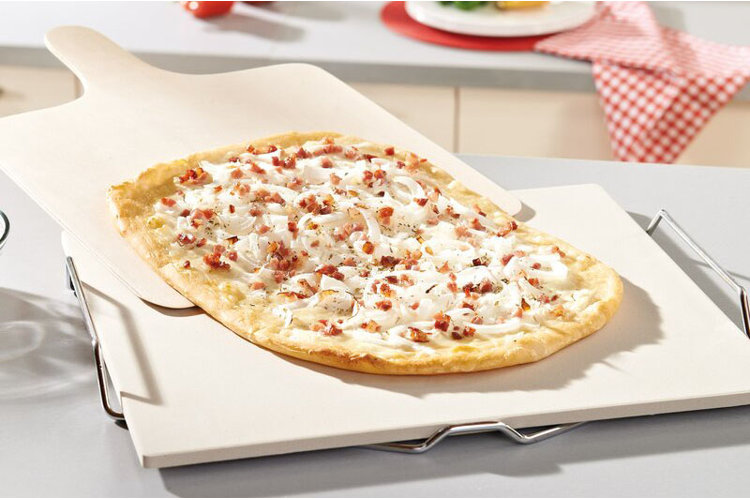
When trying to determine the difference between a pizza peel, pan, and stone, just think of the pizza peel as the tool that safely delivers the pizza to the baking medium (the pan or stone). Pizza peels transfer your pizza creations to either the pan or stone in the oven. However, the type of cooking surface you use typically depends on the type of oven you have.
A pizza pan is typically made of metal and may have perforated holes to help cook the crust to perfection (no trapped moisture for soggy dough!). Pizza pans work best in normal kitchen range ovens. However, pans made of durable metals like cast iron can go in wood fire ovens where temperatures reach high heat.
A pizza stone is a ceramic or composite slab that can be either round or rectangular. You can place pizza stones in normal kitchen range ovens or pizza ovens, alike. The material makeup of a pizza stone allows for faster pizza cook times and enhances the way the crust develops. Discover more about the benefits of pizza peels in this next section.
Tip!
Check out our pizza stone guide for everything you need to choose the right one.
Why Use a Pizza Peel?
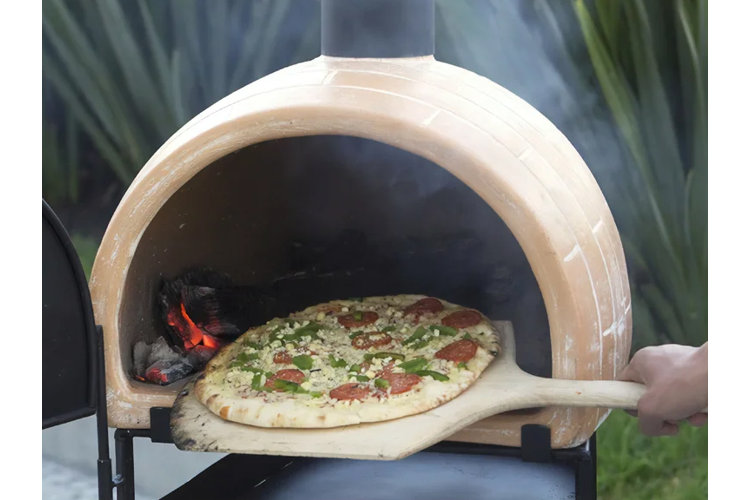
Pizza peels have a variety of functional and aesthetic benefits that make it a must-have tool for pizza-lovers.
- Safety: The number one purpose of a pizza peel is to keep you from accidentally burning your hands/arms when transfering pizza in and out of the oven. That's why some pizza peels have longer handles. Pizza peels are especially important to protect your skin when placing or removing items from piping hot pizza ovens or rotating pizza to get the best bake. In this situation, a pair of oven mitts wouldn't do the trick, as the pizza goes farther back in the oven.
- Pizza Preservation: When you work hard to craft a pizza dough, signature pizza sauce, cheese blends, and mouth-watering toppings, the last thing you need is your pizza flipping over or losing its toppings as you try to place it in the oven. Pizza peels are designed to make transferring pizzas in and out of the oven a breeze. You can also prep your pizza on the pizza peel to simplify the process even more.
- Display Purposes: What is a pizza peel if not the best centerpiece for homemade pizza nights and dinner parties. Even when pizza isn't on the menu, pizza peels made of wood are the perfect base for meat platters or charcuterie boards!
How to Choose a Pizza Peel
There are a few important factors to consider when deciding on a pizza peel. Size, material, shape, and handle-length can each influence your pizza-baking experience. Review these considerations to determine the right pizza peel for your oven and baking needs.
Pizza Peels: Sizes
Pizza peels come in a range of sizes to accommodate your pizza-making aspirations. The most common widths are 12", 14", 16" and 18" peels, which accommodate a range of pizza sizes. Before you choose a pizza peel size, consider the opening width of your oven and the pizza sizes you plan to bake. We recommend going with a pizza peel with at least 2" more in diameter than the pizza size you want to make.
For example, pair 10" (small) pizzas with 12" peels, 12" (medium) pizzas with 14" peels, 14" (large) pizzas with 16" peels, and 16" (extra-large) pizzas with 18" or larger pizza peels. This gives you more flexibility and ensures your pizza fits well on the peel even after it puffs up during baking.
Pizza Peels: Wood vs. Metal
Pizza peels are usually made using either wood or metal. Review this section to determine the benefits and uses for each material.
Wood Pizza Peels: This type of pizza peel is thicker due to the natural thickness of wood materials. The peel's wood grains make the surface slightly uneven and rough. This might seem counterintuitive when it comes to maneuvering raw pizza dough from the peel to the oven, but it's actually the opposite! The roughness of the wooden peel actually leaves room for small air pockets beneath the dough, which makes sliding the pizza off of the peel and into the oven simple and seamless. Make the process even easier by dusting the pizza peel surface with flour before placing the pizza dough on top. Clean wood pizza peels with light soap and warm water. We recommend using a sponge to scrub off tough stains. Then, let it air dry.
Metal Pizza Peels: In contrast to wood pizza peels, metal pizza peels have a thinner, smoother surface. This makes them ideal for scooping under pizzas in the oven and turning pizzas periodically while baking. Some metal varieties have perforated designs to prevent raw dough from sticking when transferring pizza to the oven. You can lightly coat metal peel surfaces with flour before adding raw dough to ease the process of maneuvering raw pizza into the oven. To clean metal pizza peels, use a dish scrub brush, dish soap, and warm water.
When in doubt, you can't go wrong with having both a wood pizza peel and a metal pizza peel so you're always prepared for any situation. Use a wood pizza peel to place raw pizza creations into the oven. Then, use a metal pizza peel with its smooth, thin design to help adjust the pizza as it cooks and then quickly remove it once cooked thoroughly.
Tip!
Browse for other pizza peel material options under the material filter to the left-hand side of the product page.
Pizza Peels: Round vs. Square
Round pizza peels are more flexible because they're designed to scoop and maneuver pizzas using either the front or sides of the peel. Their rounded shape also makes them a smart choice for traditional pizza ovens with small openings. Square pizza peels are usually wider and work best when turning or scooping pizza using the front of the peel. Square pizza peels pair well with ovens that have wider openings. Their surface area also makes them a great beginner choice, because there's more room to scoop and hold pizza creations.
Pizza Peels: Long vs. Short Handles
Pizza peels come with either short or long handles. Short-handled pizza peels work best with indoor kitchen range/convection ovens where there is not a ton of space between the oven opening and the cooking space (and therefore less potential for skin burns). Long-handled pizza peels are a must for wood fire ovens and pizza ovens that have large cooking spaces and high operating temperatures.
Tip!
Now that you know what a pizza peel is, start pizza-baking. Check out our guide on How to Make Pizzas at Home for more inspiration.
Itching to get started? Browse our pizza-baking essentials, now:
