What Is a Salt Cellar?
You’ll never want to use a saltshaker again.
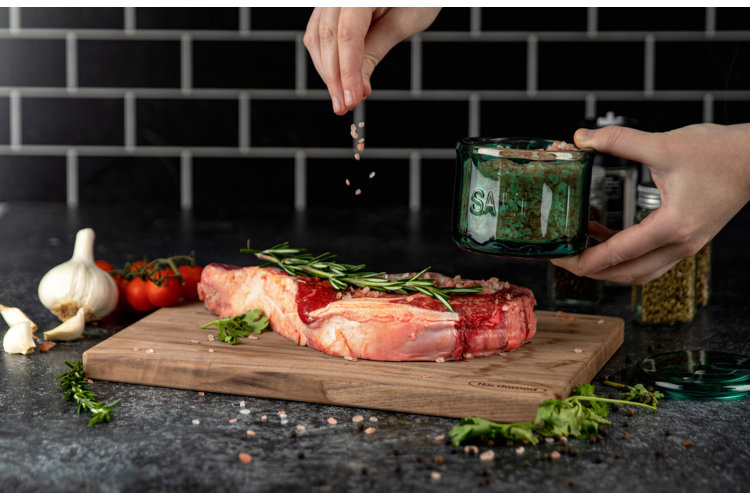
We all know what a saltshaker is, but what is a salt cellar? This lesser-known piece of serveware is a chef’s best friend and can win you extra points if you’re looking to wow your dinner guests. Still wondering what a salt cellar is? Here’s everything you need to know!
What Is a Salt Cellar?
A salt cellar is a vessel used to hold or store salt. More specifically, it’s used to hold salt for cooking or serving. Also known as a salt box, salt keeper, or salt pig, a salt cellar is often kept next to the stove for easy access during cooking. Salt cellars have been in use for a very long time. Throughout history, they were used not only to hold ground salt for cooking and eating, but also as a status symbol. Salt itself was once considered a luxury item. Ornate vessels were created out of silver, crystal, and other luxury materials to serve as a status symbol for serving salt.
What Is a Salt Cellar Used for?
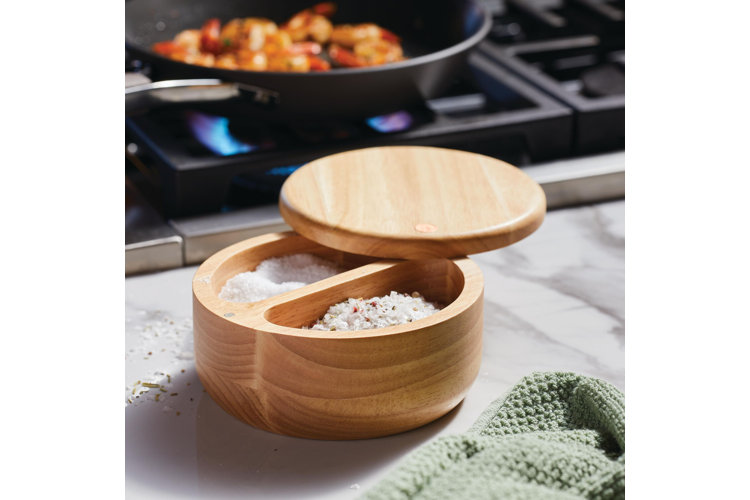
Throughout history, salt cellars were used to provide easy access to ground salt – but then in the early 1900s companies started adding anti-caking agents to their salt, leading to the free-pour salt and saltshaker methods popular today. Saltshakers are useful, but lack some of the benefits of using a salt cellar. There are several reasons you may want to use a salt cellar instead:
- Cooking: Many salt cellars are open containers that allow for easy access while cooking (though some also come with lids if you prefer). Quite a few open salt cellars are also hooded, which prevents dust and cooking oil from ending up in the container. All saltshakers are different, which makes measuring the amount of salt you are using nearly impossible – this often leads to over or under-seasoning your food. An open container that you can put your fingers or a small spoon into allows you to easily grab the right amount of salt as you go.
- Serving: Salt cellars make for a stylish way to serve salt at the dinner table. With several different materials and styles to choose from, you can find a salt cellar to perfectly match your kitchen decor. Choose a salt cellar with a spoon when serving guests so they don’t have to put their fingers in it. If you want to use a salt cellar for cooking and serving, it’s a good idea to have two, since different salts are typically used for cooking vs. finishing.
- Health Benefits: A salt cellar allows you to use many different types of salts without relying on one that contains anti-caking agents. Some people try to avoid heavily processed table salts that contain anti-caking agents and are often bleached and stripped of minerals.
What Kind of Salt Do You Put in a Salt Cellar?
Fill your salt cellar with your favorite salt! There are no rules on which type of salt goes into a salt cellar, however certain salts are generally recommended for different uses. A coarse kosher salt is often recommended for cooking, as the crystals are easy to pinch and measure with your fingers. Himalayan pink salt is considered to be a great quality salt for cooking and serving.
Salt cellars can also be used to hold specialty salts or flavored salts if you want to have a variety in reach for cooking.
Tip!
Adding elegant serveware like a tureen is a great way to elevate your next dinner party.
What Materials Are Salt Cellars Made of?
While salt cellars of the past were typically made of luxury materials like silver or crystal, they can now be found in a variety of affordable materials to fit any style kitchen or dining room. Read on to learn more about different types of salt cellars and what they're best used for.
Ceramic
Ceramic salt cellars come in a variety of colors and patterns, making them an ideal choice for many kitchen styles. Ceramic salt cellars come with open tops, hooded rims, or with lids. Find matching ceramic salt and pepper cellars if you want to ditch the shakers completely. Ceramic is commonly used in kitchenware and is very easy to clean.
Glass
Glass is another easy-to-clean material that is ideal for storing salt. Clear salt cellars are great if you plan to keep multiple types of salt for cooking – that way you can easily find what you’re looking for without labels or opening lids. Many coveted antique salt cellars are made of crystal – look for a modern cut crystal cellar if you’re looking to add some glam to your kitchen or dining room.
Wood
A wooden salt cellar made of a dense solid wood will keep your salt dry. Bamboo, olive, ash, or acacia wood are great options. Wooden salt cellars are a beautiful addition to both modern and rustic spaces.
Metal
While metal makes for truly unique kitchen decor pieces, salt is a corrosive agent for metal – so it shouldn’t be where your salt always lives. Stainless steel will hold up better with salt but will still corrode overtime if in constant contact with salt. If you love the look of a silver, copper, or stainless steel salt box, consider breaking it out only when serving salt to guests – this is where the “status symbol” salt cellar comes into play. You can also opt for a wooden salt cellar with metal accents if you want something a bit more elevated. When not in use, a metal salt cellar can be displayed as a unique accent piece in traditional, modern, or industrial style kitchens.
Marble
A marble salt cellar can add elegance to nearly any style kitchen or dining room and can be found in several colors. Marble salt cellars can often be found in multicolored sets to store different types of salt or pepper along with your salt. Although marble is not as susceptible to erosion from salt as metal, it is a porous material, which is not as effective in keeping moisture out of your salt. Marble requires light handwashing and thorough drying – be sure to never soak your marble kitchenware in water.
