What Is a Sous Vide?
It'll become your favorite kitchen appliance.
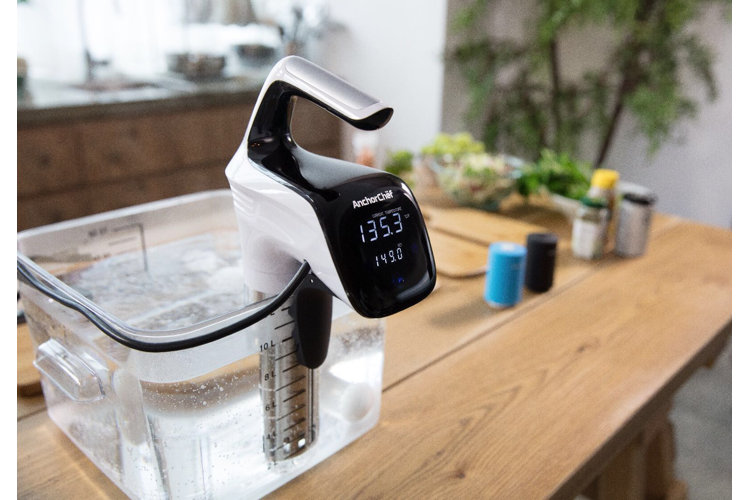
Chances are, you've heard about the gourmet cooking appliance that has been taking household kitchens by storm: the sous vide. But what, exactly, is a sous vide? And why might you want one? We've got the answers. Read on to learn what a sous vide is and why you should consider adding one to your culinary arsenal.
What Is a Sous Vide?
Why a Sous Vide?
What to Cook Using a Sous Vide?
What Is a Sous Vide?
"Sous vide," a French term meaning "under vacuum," describes the cooking process of sealing food in an airtight, often vacuum-sealed bag, submerging it in a container of temperature-controlled water, and cooking it to an exact doneness over a long period of time. A sous-vide cooker, also called an immersion cooker, is a device that allows you precise control over the water temperature. These appliances, once heavy-duty pieces of machinery only used in the fanciest of restaurants, are now so small, affordable, and user-friendly that they've become household staples.
Most sous vides are handheld devices that can be rested inside a large pot of water or secured in place with a plastic clip. They heat and regulate the water temperature with internal heating coils and have simple displays with controls that allow you to set and monitor the temperature of the water. These plug-in devices often come with sealable, reusable bags and sometimes include handheld vacuum sealers.
Larger sous-vide cookers, also called water ovens, come with built-in water baths. These temperature-regulating devices fill with water and are controlled by frontal displays, much like slow cookers.
Tip!
To take full advantage of your sous vide, it's important to have the right equipment, particularly a vacuum sealer and sealable bags. You can vacuum seal common plastic bags by lowering them and their contents slowly into a large container of water and allowing the air to escape upwards before sealing them shut. This method isn't perfect, however. If you foresee using your sous vide often and for a wide variety of foods, consider purchasing a vacuum sealer and vacuum-seal bags.
Why a Sous Vide?
Sous vides heat water to a specific temperature and then regulate that temperature, circulating the water to ensure that it is an even temperature throughout. Because the temperature of the water is so controlled, sous-vide cooking ensures you won't overcook or undercook your food. No more poking and prodding meats to ensure they're cooked through!
Sous-vide cooking is largely hands-free. Like most slow cookers, sous vides cook food over a long period of time, so you can go about your day knowing you'll have a delicious, hassle-free meal waiting for you at the end of it. Many sous vides have the added benefit of automatic shutoff, so you won't even need to worry about manually turning it off once it's done cooking. Some sous vides even have a keep-warm setting that will prevent your food from getting cold.
Though this cooking process may take longer than more conventional methods, the time spent will be well worth it. The food is vacuum sealed, so it won't lose any moisture, nutrients, or flavor while cooking. The end result is deliciously succulent, gourmet-quality food that is cooked perfectly, every time.
Tip!
The only thing sous-vide cookers can't do is sear meats or vegetables. If you're willing to go the extra mile for that crisp, textured exterior, all you'll need to do is sear your food for a minute or two in a hot skillet after it is done cooking in the sous vide.
What to Cook Using a Sous Vide?
Because of their tendency to dry out when cooked, proteins are one of the best food groups to cook using a sous-vide cooker. Meats like steak, pork, chicken, turkey, and even duck fare beautifully during sous-vide cooking, as they can be cooked to a safe doneness without any moisture loss. Seafood, particularly fish that can easily become bone-dry on a skillet (like salmon or tuna), is also an excellent choice.
Meat isn't your only option. You'll be stunned by the flavor tough vegetables like asparagus and carrots can retain when cooked using a sous vide. Eggs, cooked in their shells or scrambled in a vacuum-sealed bag, come out perfectly done. Sous-vide cookers also allow you to pasteurize eggs for safe raw consumption.
If you have a spare mason jar, you can cook almost any custardy dessert using a sous vide. Consider custard-based desserts like crème brûlée or flan. Try making pudding or softening fruit without losing any sweetness.
