What Is a Trellis?
Support your plants.
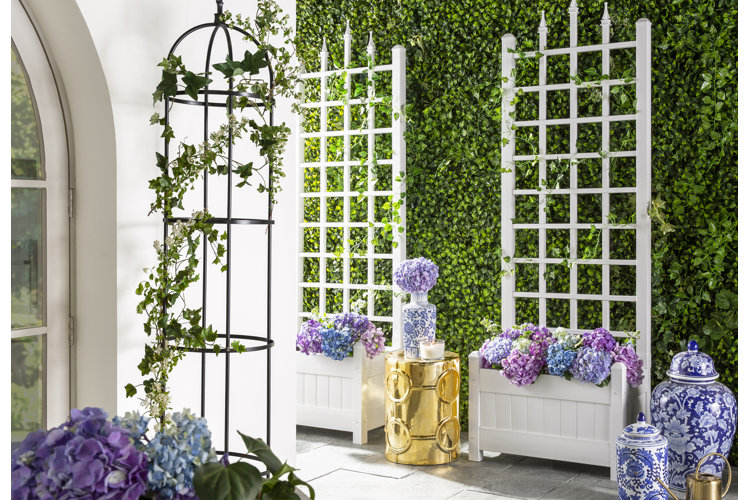
A trellis is a garden structure designed to support climbing plants, vines, flowers, and some vegetables as they grow vertically. Trellises help maximize growing space, improve air circulation, encourage healthier plants, and add decorative height and visual interest to gardens, patios, fences, and other outdoor spaces. Keep reading for everything you need to know about these versatile garden structures.
What Is a Trellis & What Does a Trellis Do?
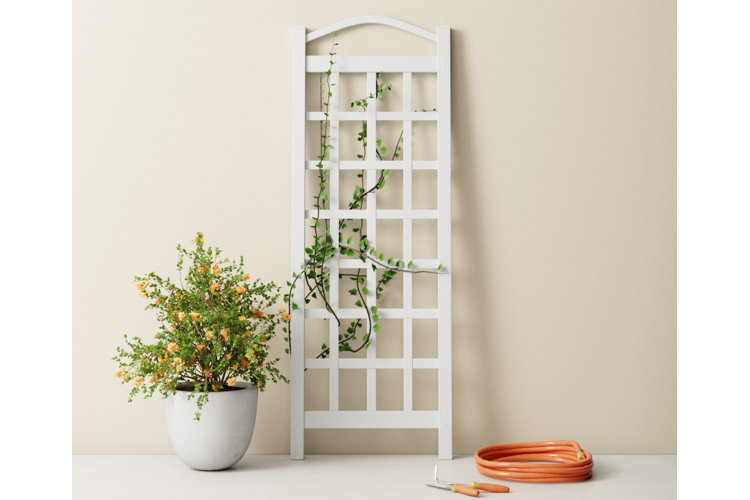
A trellis is a simple garden structure where climbing plants and vines can grow vertically. Trellises come in different shapes and sizes and can serve a range of functional or decorative purposes. The general design of a trellis is an open framework, similar to a ladder with multiple vertical slats, that allows plants to easily grow upward. A trellis can be used to grow fruits, flowers, and vegetables, as an accent piece in your garden, or to add more privacy to your yard.
Benefits of Using a Garden Trellis
Adding a trellis to your garden can help your plants thrive. Here are some of the benefits you can enjoy by adding this structure to your space.
- Increased Sun Exposure: Since a trellis allows plants to climb vertically they are able to soak up more sun in a crowded garden. This can be very helpful for climbing plants that require full or partial sunlight.
- Encourages Pollination: Trellises elevate nectar- and pollen-rich climbing plants, which allows pollinators to find and reach them more easily. This is great not only for your own yard and fruit production of your plants but also for the surrounding area and your neighbors.
- Reduces Fungal Diseases: By lifting plants off the ground, a trellis can help reduce exposure to soil-born fungal pathogens such as powdery mildew, blight, and mold. Allowing the plant to spread out over the trellis also improves air circulation and reduces moisture that can contribute to fungal growth.
- Deters Harmful Pests: Keeping plants elevated can produce them from hungry pests such as bunnies. Since plants are more visible to you on a trellis, it will be easier to monitor them for signs of an insect infestation, making maintenance simpler.
- Creates More Space: Trellises increase the amount of vertical space you have for plants so you can have even more of them without taking up too much ground space. This leaves space for walkways, making it easier to get around with accidentally trampling any of your precious plants.
Types of Trellises
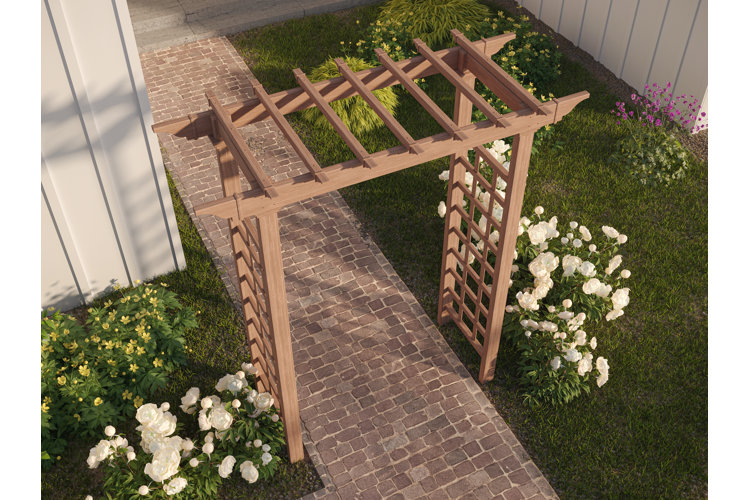
Depending on how you plan to use your trellis, there are different shapes and sizes to choose from. Here are some common types of trellises and what you might use them for.
- Lattice Pannel: This trellis consists of a single panel with a lattice design. Vines and climbing flowers can easily travel up the lattice design. These lattices typically have stakes that are driven into the ground to keep them standing. With more permanent anchoring techniques, these lattices can support some lighter fruits and vegetables as well.
- Arched: Arched trellises can refer to a single-panel lattice with an arch-shaped top or an arbor-style trellis that can be placed over a walkway. Arched trellises are typically used for decorative purposes and can be used to make beautiful floral arches in your garden.
- Obelisk: An obelisk trellis is a conical or teepee-shaped tower-like structure. Their stable structure makes them great for supporting fruits or vegetables in the garden or used inside a planter to create a unique floral design.
- Wall Mounted: These trellises can be mounted to the outside of your house for a sturdy decorative display of vines or flowers. These trellises can handle more substantial vines like grapes or wisteria.
- Folding & Expanding: These trellises can expand and contract to save space when being stored over the winter. You can easily expand them if you need more space for your plants to climb. Their wide design makes these trellises great for providing more privacy or shade on your patio.
- Fan: These trellises have a fan shape design at the top, which is both visually interesting and beneficial to plant growth. This shape encourages horizontal and vertical growth of plants while keeping them spread out enough to keep leaves healthy and dry.
Trellis vs. Lattice
Although the terms are often used interchangeably, a trellis and lattice are not the same. A trellis is a standalone or mounted structure designed to support climbing plants. Lattice refers to the crisscross framework itself, typically made from thin wood, vinyl, or metal strips. Lattice is commonly used as a privacy screen, fence panel, deck skirting, or decorative accent, though it can also support lightweight climbing plants. In short, a lattice is a material or pattern, while a trellis is a gardening structure built for plant support.
Trellis vs. Arbor
A trellis is designed primarily to support vertical plant growth, while an arbor creates a walk-through garden feature. Arbors typically consist of two side panels connected by an overhead arch or roof-like top, creating an inviting entrance to a garden path, gate, or seating area.
Many arbors incorporate trellis panels along the sides, allowing climbing plants to grow upward and over the top. If your goal is simply to support vines against a wall or fence, a trellis is usually the better choice. If you want to create a focal point or define an outdoor space, an arbor offers both structure and visual impact.
Trellis vs. Pergola
A pergola is much larger than a trellis and is designed to provide shade rather than simply support plants. Pergolas feature vertical posts with an open slatted roof that provides partial shade over patios, decks, dining areas, or walkways.
While climbing plants like wisteria, grapevines, or jasmine are often trained to grow over pergolas, plant support is a secondary function. If you're looking to grow plants vertically in a small garden, raised bed, or container, a trellis is the more practical, budget-friendly option. If you want to define an outdoor entertaining space while incorporating greenery, a pergola is a better fit.
Certain plants thrive when they have a trellis to climb. Some benefits that a trellis can offer your climbing plants are better access to sunlight, keeping their fruits or vegetables dry, and providing more vertical space to grow. Here are some examples of plants commonly grown with trellises.
- Fruits & Vegetables: Many fruits and vegetables can be grown on a trellis, including peas, cucumbers, squash, melons, and grapes. Make sure the trellis you choose is large enough to support the weight of the fruit or vegetables you’re growing. For example, growing cucumbers can result in large and heavy vines, so you will need a strong trellis. Melons grow best on a wider trellis because increased airflow allows the leaves to stay dry, preventing rot and mildew.
- Flowers & Vines: An array of beautiful flowering and non-flowering plants can be grown on a trellis. Some decorative plants that thrive on a trellis include climbing roses, clematis, morning glory, and honeysuckle. Giving them a trellis to climb allows them to access sunlight in your garden, keeps them dry, and elevates them in your garden so they can be seen and enjoyed.
Tip!
Always choose a trellis that's strong enough to support the mature size and weight of your plants, especially vigorous growers like wisteria, grapes, or climbing roses.
Where to Place a Trellis in Your Garden
Choosing a location for your trellis can determine your success in the garden or can affect your patio aesthetic. When deciding where to place your trellis, make sure it is within reach of your garden hose or sprinkler system so you don’t have to lug a watering can over to it each time you need to water your plants. Find a location that’s sheltered from excessive wind and weather that can damage your plants or knock your trellis over. Lastly, consider your other plants and surroundings – ensure your trellis isn’t blocking other plants from the sun and rain.
How to Install a Trellis
The installation process depends on the type of trellis you choose, but most can be set up in just a few simple steps.
Freestanding Trellis
Freestanding trellises are ideal for garden beds, raised planters, and vegetable gardens.
- Step 1: Choose a location that provides the appropriate sunlight for your plants.
- Step 2: Insert the trellis stakes or legs firmly into the soil, ensuring it's level and stable.
- Step 3: Plant climbing flowers, vines, or vegetables at the base of the trellis.
- Step 4: As the plants grow, gently tie stems to the trellis with soft garden ties until they naturally begin climbing.
Wall- or Fence-Mounted Trellis
Mounted trellises work well for maximizing vertical space along fences, sheds, garages, or exterior walls.
- Step 1: Select a sturdy mounting surface.
- Step 2: Mark the desired placement and install mounting hardware according to the manufacturer's instructions.
- Step 3: Leave a small gap between the trellis and the wall to promote airflow and provide room for plants to weave through.
- Step 4: Secure the trellis, then plant climbers at its base and train new growth onto the structure.
How Much Does a Trellis Cost?
The cost of a trellis depends on its size, material, and design. Smaller trellises for containers and raised beds tend to be more affordable, while larger decorative or heavy-duty options typically cost more.
- Budget (Under $50): Simple plastic, bamboo, vinyl, or lightweight metal trellises for potted
plants, raised beds, and small gardens.
- Mid-Range ($50 to $100): Larger wood, vinyl, and metal trellises with decorative details that work well along fences, patios, and garden beds.
- Premium ($100 & Above): Oversized or heavy-duty trellises made from durable materials like cedar or wrought iron, as well as architectural designs intended to serve as statement pieces in the landscape.
When choosing a trellis, consider not only the price but also the material, weather resistance, and the mature size of the plants it will support. Investing in a sturdier trellis can provide better long-term durability, especially for heavier climbing vines.
Frequently Asked Questions
1. What Is the Purpose of a Trellis?
A trellis supports climbing plants by guiding them to grow vertically instead of along the ground. This improves sunlight exposure, airflow, and overall garden organization.
2. Do Vegetables Grow Better on a Trellis?
Yes, many vegetables like cucumbers, peas, and pole beans grow better on a trellis because vertical growth improves air circulation, reduces rot, and saves space.
3. What is the Difference Between a Trellis and an Arbor?
A trellis is a flat or freestanding structure that supports climbing plants, while an arbor is a larger archway structure that creates a decorative garden entrance or walkway.
4. Can a trellis stand on its own?
Yes, some trellises are freestanding and can be placed in garden beds, raised planters, or large containers. Others are designed to attach to walls, fences, or other structures for added support.
5. What plants grow best on a trellis?
Many climbing plants thrive on a trellis, including flowering vines like clematis, jasmine, and climbing roses, as well as vegetables such as tomatoes, cucumbers, peas, and pole beans. Choose a sturdy trellis that can support the mature weight of your plants.
6. What materials are trellises made from?
Trellises are commonly made from wood, metal, vinyl, bamboo, or plastic. The best material depends on your style preferences, climate, and the weight of the plants you plan to grow.
Tip!
Check out these articles for more trellis and garden ideas and advice:
- Types of Trellises: Find the Perfect Support for Your Climbing Plants
- Trellis Ideas to Make Outdoor Living Just as Beautiful as Indoor Living
- How to Start a Garden Step-by-Step
