What is a Wet Room?
Hint: It’s not your average bathroom.
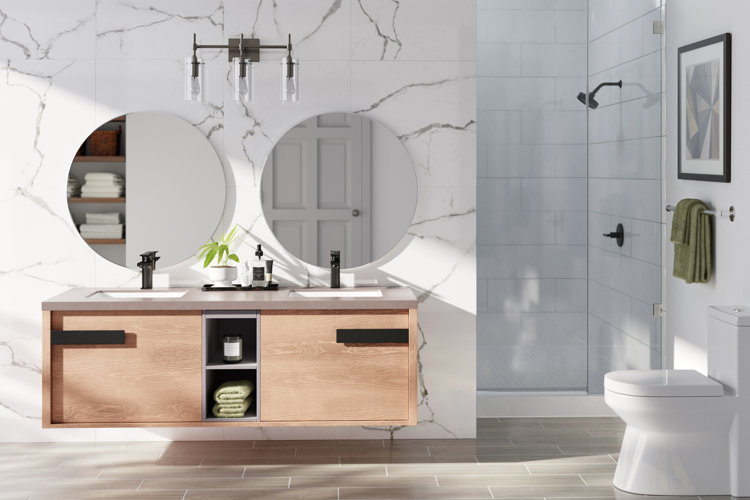
If you’re wondering, “what is a wet room?” you’re not alone. These bathrooms feature an open-concept design with entirely waterproofed walls and floors and with your shower and bathtub in their own area. Our guide is going to give you everything you need to know about a wet room bathroom so you can decide if one is right for you.
What Is a Wet Room?
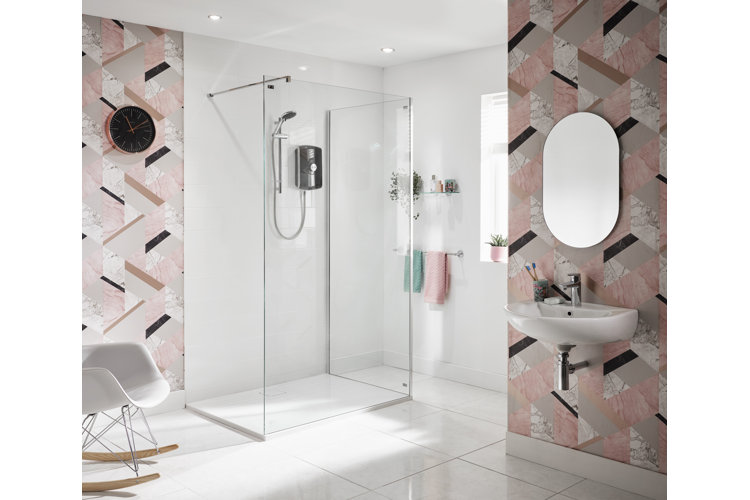
A wet room features a shower that is typically designed without walls, doors, or enclosures to be entirely open-concept and easily accessible. Wet room bathrooms are perfect for individuals with mobility issues, those who struggle with stepping in and out of a shower or tub, or for families who want to decrease their worry of water going everywhere when bathing kids and/or pets
In a wet room, the shower floor is at the same level as the rest of the bathroom floor but with a slight slope so the water drains through an installed flush drain on the floor. Because of this open-concept shower design, the walls and floors in a wet room are entirely waterproofed and sealed differently than a standard bathroom to prevent damage or issues from water. If you choose a wet room bathroom design, you don’t need a shower enclosure or splash guard, though it’s okay to opt for one to prevent water from splashing outside of your shower area if desired.
To keep your bathroom fully secure, we suggest tiling the wet room floor and walls with natural stone or porcelain tile because of their hard-wearing finish.
Pros & Cons of Wet Rooms
Conflicted on whether or not a wet room bathroom is for you? Here are the pros and cons so you can weigh out your options.
Pros:
- Aids Mobility: As mentioned above, wet rooms make it possible for those with physical limits to move around in a bathroom and shower without having to step over a tub or shower edge.
- Emphasizes Style: A wet room design keeps your bathroom ultra-stylish since it creates an open floor plan that includes a completely walk-in shower, flush-mounted faucets, and a minimalist approach.
- Makes for Easy Maintenance: Since a wet room keeps the bathroom open and decreases the need for shower walls and doors, it’s easier to maintain and keep clean.
- Maximizes Space: Removing a shower enclosure and opting for a wet room opens your floor plan and allows for design flexibility that maximizes the space in your bathroom.
Cons:
- Creates Excess Moisture: Since the wet room design calls for an open floor plan, it’s easier for your bathroom to get steamy and excess moisture to build since there is no shower enclosure, which could lead to molding on some of your fixtures.
- Adds Expense: Wet rooms are more expensive than standard bathrooms because the tiles that will need to be installed are more costly than standard drywall, especially since the entire wall and floor will need to be tiled.
- Can Risk Water Damage: Wet rooms are designed for water to drain easily since the entire floor is level. If the drains are installed incorrectly, water-buildup can occur and cause flooding to your home.
Wet Room Design
Here is everything you need to create a luxurious wet room design for your home.
Wall-Mounted Vanity: To stay on target with the open-concept of a wet room bathroom, choose a wall-mounted vanity since they allow for storage while keeping the floors open. This also helps to reduce the risk of your wooden vanity sustaining water damage and warping over time, especially if it's made of manufactured materials that are durable and stand-up well to moisture.
Wall-Mounted Faucets: Pair your floating vanity with a wall-mounted faucet. This modern design removes bulky fixtures and adds another minimalistic touch to your wet room by freeing up your vanity’s sink.
Medicine Cabinets: Don’t have a closet in your bathroom? Implement storage in your wet room bathroom with a wall-mounted medicine cabinet. Medicine cabinets double as mirrors and storage compartments where you can safely tuck away bath necessities such as your toothbrush, toothpaste, or toiletries.
Wall-Mounted Bathroom Shelving: Store your bathroom linens, extra soaps, or other necessities in wall-mounted bathroom shelving. This cabinetry type utilizes the vertical space, much like wall-mounted vanities, to keep your floors open without reducing storage opportunities.
Shower Panels: Replacing your old shower head when you update your bathroom to a wet room will make the room feel even more luxurious. Shower panels provide a luxury experience in the shower area with their larger base, multiple shower heads, and elevated finishes. Plus, they are mounted flush on the wall for a minimalist design.
Radiant Floor Heating: Since wet rooms are entirely wet (hence its name), installing underfloor heating such as radiant floor heating helps to keep the room dry and soak up some moisture. Radiant floor heating also helps to warm the room during the colder months since the tiles can make the room cooler.
Shower Doors: While you don’t technically need a shower door in a wet room, you can add in a shower door made of glass to block off the rest of the bathroom from your shower area without taking away from the overall room design. Adding a glass shower door and attaching it to your wall can still make the room seem open since it’s see-through, with the benefit of keeping excess water in the shower area and away from the rest of the bathroom space.
