What Is Abstract Expressionism?
Discover the world of Abstract Expressionism art.
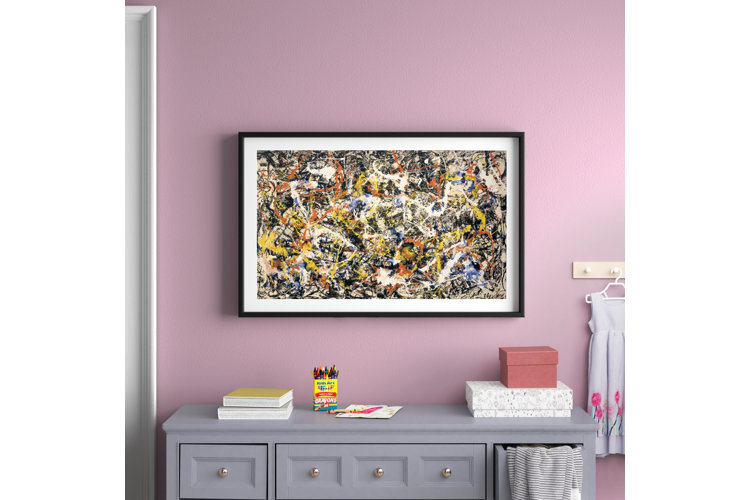
There is no doubt the art world is full of information, terms, and names that can all become a little overwhelming at times. So if you intend to delve deeper into the artistic center, it's a good idea to start with one movement at a time. That way you can begin to study techniques, artists, and artworks, and fully understand the meaning behind the works. Abstract Expressionism art is a good place to begin, with its roots placed deeply in history and affecting modern art still to this day. But what is Abstract Expressionism and what does it look like? Use our concise guide to help you through this movement.
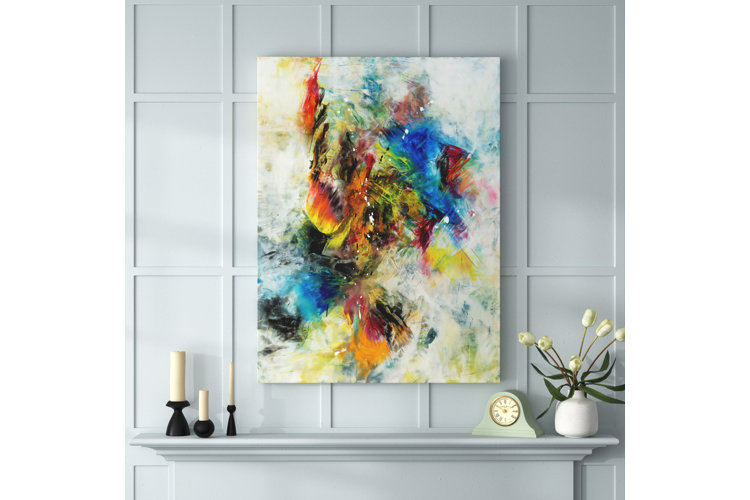
Abstract Expressionism is a distinct art movement that emerged in the United States during the immediate aftermath of World War II, and gained mainstream acceptance in the 1950s. While it may fall under one of the popular art styles circulating the fine art world, at the time, the Abstract Expressionism movement was seen as simultaneously revolutionary and controversial.
Abstract Expressionism can be traced back to Surrealism, though it resists definition as a cohesive style. It typically features large-scale paintings that break away from traditional artistic concepts – often seeing the artist remove the canvas from the easel to use unconventional materials and methods to create art.
The Abstract Expressionists were mostly based in New York City, thus becoming known as the New York School. This movement was seen as rebellious and idiosyncratic, encompassing various artistic styles, and was the first specifically American movement to achieve international influence, thus putting New York at the center of the Western art world (a role that was formerly filled by Paris).
Abstract Expressionism Artists & Groups
This new Abstract Expressionism art was developed by American painters like Jaskson Pollock (known for his iconic splatters), Mark Rothko (known for color use), and Willem de Kooning (known for his figurative paintings) in the 1940s and 1950s. They are all typically characterized by gestural brush-strokes or mark-making with the impression of spontaneity. They were inspired by the surrealist idea that art should come from the unconscious mind.
There are two broad groupings within Abstract Expressionism:
1. The Gestural Abstraction
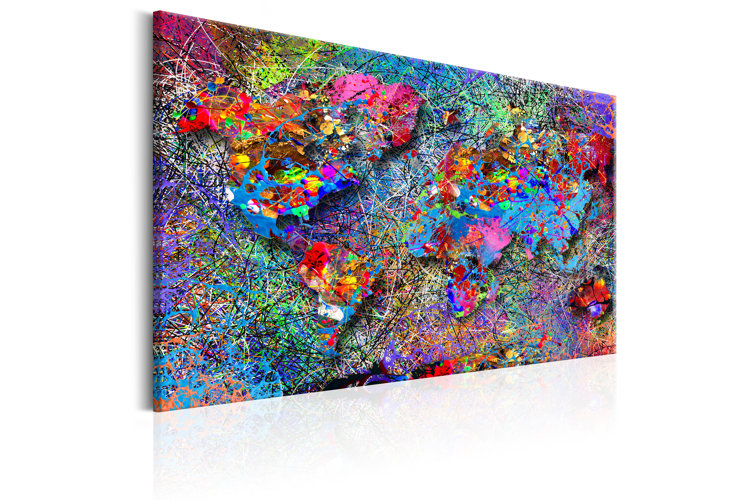
Gestural Abstraction: This group of artists are also known as "action painters" who work in a spontaneous and improvisatory manner, often using large brushes to create expressive strokes. Jackson Pollock falls under this category. He was known for placing his canvas on the ground to move around it while using a number of methods, including pouring paint directly from the can, or trailing from a brush or stick.
Creating art with physically spontaneous techniques like spraying, dripping, flicking, pouring, or any other unplanned methods to spread paint in a random way allows the artist to directly place their inner impulses on canvas. While it is still done with intention, gestural abstraction still avoids premediation.
2. Color Field
Color Field Painting: This is occupied by artists who filled their canvases with large areas of a single color. By focusing more on the hues and colors of paint they work with rather than the actual expression of them onto the canvas, these artists aim to use color as a means to elicit emotion.
There were artists like Mark Rothko, Barnett Newman, and Clyfford Still, who were deeply interested in religion and myth and through the use of simple compositions with large areas of color, to create a meditative or contemplative response from the viewer.
Abstract Expressionism
Do keep in mind that attempting to narrow Abstract Expressionism down into these two types of artistic styles is reductive. While these broad types were at the forefront of the movement, there were an incredible amount of techniques, styles, and methods that evolved from these initial artists. This movement was also not limited to painting alone but also included collagesist and sculptures like David Smith and Lousie Nevelson.
