What Is Engineered Wood & How Is It Made?
Learn more about engineered wood.
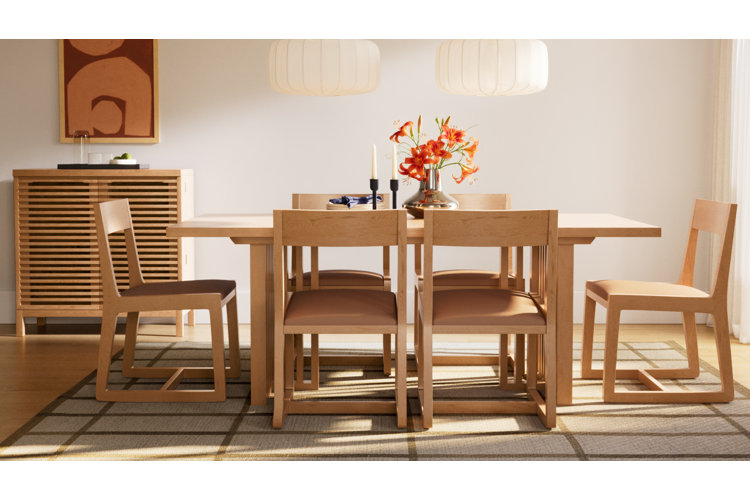
Engineered wood is a composite building material made by binding real wood fibers, veneers, or strands together with adhesives under high heat and pressure. Known for uniform strength, budget-friendly appeal, and stability, engineered wood resists warping and splitting better than many other manufactured materials. Read on to learn what engineered wood is, how it’s different from solid wood, and why you might want to use it in your home.
In this guide:
How is Engineered Wood Made?
Solid Wood vs. Engineered Wood
Types of Engineered Wood
Pros and Cons of Engineered Wood
Best Uses for Engineered Wood Furniture
Engineered Wood vs. Solid Wood: Which Should You Choose?
Frequently Asked Questions
How is Engineered Wood Made?
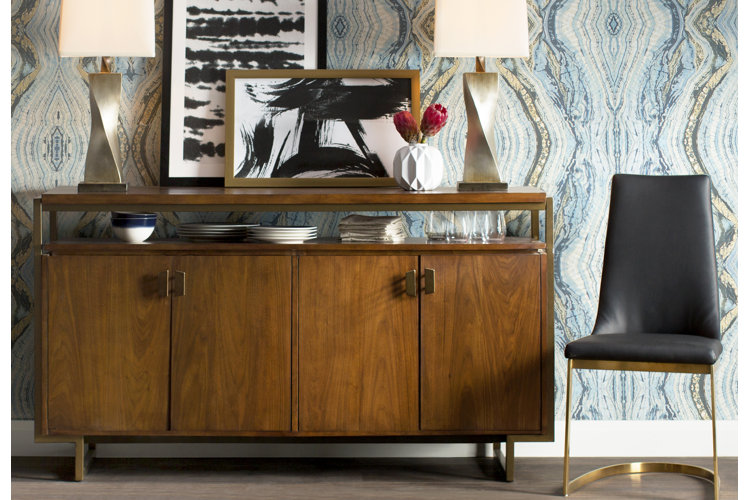
The production of engineered wood uses offcuts, wood chips, and residual fibers that might otherwise go unused. Binding these materials together under extreme heat and pressure, creates durable, uniform boards that resist warping and cracking.
Common Materials (Veneers, Adhesives, Wood Fibers)
Engineered wood products combine natural wood elements with binders for consistent strength:
- Real Wood Derivatives: Thin wood veneers shaved from logs, long wood strands, wood chips, or fine fibers and sawdust.
- Synthetic Adhesives: High-performance resins, wax, and waterproof glues that bind the wood components together.
- Surface Finishes: Real wood veneers, paper laminates, or protective overlays applied to the core for a beautiful visual finish.
The Manufacturing Process
While methods vary depending on the specific type of board being made, the core process involves five key steps:
- Processing Raw Timber: Sawmill offcuts and harvested logs are shaved into thin sheets (veneers), cut into strands, or shredded into fine wood fibers.
- Resin Blending: The processed wood components are blended with synthetic resins, wax, and adhesives.
- Layering & Formatting: The wood fibers or veneers are arranged in thick mats in cross-laminated layers to reduce weak points.
- Heat & Hydraulic Compression: Extreme hydraulic pressure and high heat compress the mixture, curing the adhesives to form the durable panels.
- Sanding & Finishing: The cured sheets are trimmed to standard dimensions, sanded smooth, and finished with decorative veneers or protective coatings.
Solid Wood vs. Engineered Wood
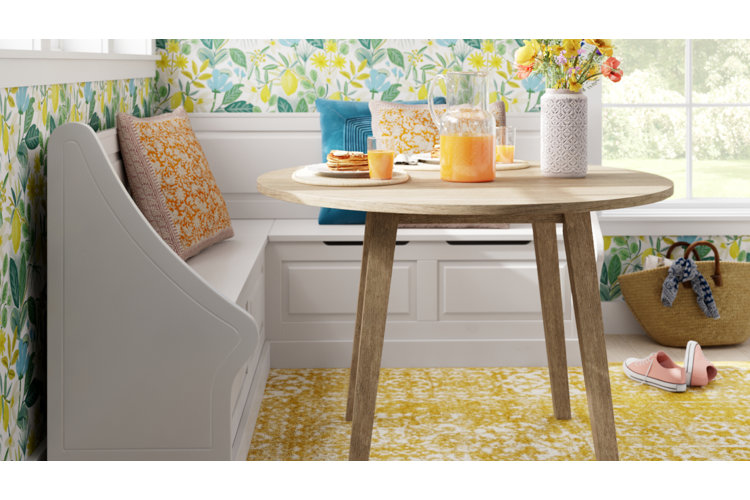
When discussing engineered wood, it is important to consider solid wood to better compare the two.
Solid Wood
Any solid wood furniture is made entirely from naturally occurring wood that comes directly from trees. There are no layers (or inclusions), only single uniform pieces that are cut and glued and/or nailed together to create various products. There are two different types of solid woods available – softwoods like cedar, pine, and spruce, and hardwoods like cherry, walnut, and acacia. To learn more about acacia, read What Is Acacia Wood & Why Is It So Special?.
Engineered Wood
This man-made product is made from real wood but has a different makeup. Engineered wood comprises layers of wood, sometimes featuring a top layer (veneer) or solid wood with high-density, high-quality fiberwoods as the lower layers, all glued together with adhesive.
Neighborly Tip!
Engineered wood is not the same thing as laminate, which is a synthetic material designed to emulate real wood.
Types of Engineered Wood
Different types of engineered wood are used for different furniture and DIY projects used around the home.
Plywood
Plywood is constructed from thin layers of real wood veneer cross-laminated together. Each adjacent layer’s grain runs perpendicular to the next, which gives plywood exceptional strength and stability. Plywood is a top-tier choice for cabinet boxes, drawer sides, subflooring, and stair components because it resists warping under moisture and heavy weight.
MDF (Medium-Density Fiberboard)
MDF is produced by breaking down hardwood and softwood offcuts into fine wood fibers, combining them with synthetic resin and wax, and pressing the mixture into dense panels. MDF has no natural wood grain, giving it a smooth surface free of knots. This texture makes MDF ideal for painted furniture, detailed trim, molding, and intricate cabinet doors.
Particle Board
Also known as chipboard, particle board is made by mixing sawdust, shavings, and wood chips with synthetic adhesives and compressing it into sheets. Particle board is lightweight and highly economical, making it a popular choice for budget-friendly furniture, shoe storage cabinets, and desk cores where cost efficiency is key.
OSB (Oriented Strand Board)
OSB is manufactured by placing long, thin wood strands in cross-oriented layers bound with waterproof adhesives. This creates strong and durable panels. While most common in residential construction sheathing and subflooring, OSB is also popular in modern accent wall paneling, shelving, and industrial-style tabletops.
Pros and Cons of Engineered Wood
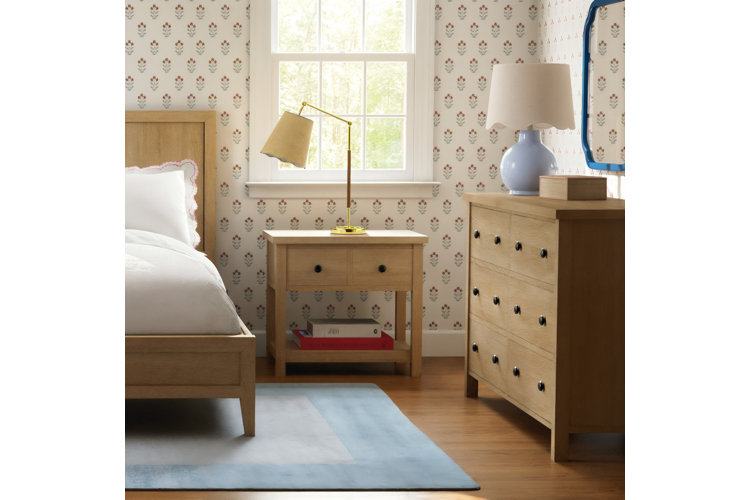
Weighing the advantages and tradeoffs of engineered wood will help you make an informed decision for your space, budget, and lifestyle.
The Benefits of Engineered Wood
Understanding how engineered wood handles wear and moisture ensures you get the most value out of your pieces:
- Durability: High-density options like cross-laminated plywood and MDF offer excellent load-bearing strength and hold structural shapes over time.
- Moisture Performance: Sealed engineered wood and cross-laminated plies resist swelling in humid indoor environments.
- Cost Efficiency: Because it utilizes reprocessed wood fibers, veneers, and sawmill offcuts, engineered wood offers significant cost savings compared to solid wood – giving you high-end style without a premium cost.
Considerations of Engineered Wood
Here are three key considerations of engineered wood when compared to solid wood:
- Refinishing & Longevity Limitations: While solid wood can be sanded down and refinished repeatedly, engineered wood furniture is typically topped with a thin layer of natural wood veneer. This thin surface layer cannot be sanded or refinished if scratched or worn down over time.
- Moisture & Water Sensitivity: Unsealed engineered wood (such as basic particle boards) are vulnerable to standing water. If water seeps into raw edges, the inner wood fibers can swell, warp, or weaken.
- Quality Variance Across Core Types: Unlike solid wood – which offers consistent strength – the overall strength of engineered wood depends heavily on its composition. Multi-layer, cross-laminated plywood offers top-tier structural integrity, whereas budget-friendly chipboard or basic fiberboards are not as strong or durable.
Best Uses for Engineered Wood Furniture
The benefits of engineered wood make it a versatile choice for your home. Discover the various uses of engineered wood for every room.
Bedroom (Dressers, Nightstands, Wardrobes)
High-density fiberboard and particle board cores have flat, knot-free surfaces,perfect for bedroom furniture with functional drawers, such as dressers and nightstands. Finished with rich natural wood veneers or crisp painted coatings, engineered dressers, nightstands, and armoires offer high-end style at a budget-friendly cost.
Living Room (TV Stands, Bookcases)
Media consoles, entertainment systems, and tall bookcases require strong load-bearing capacity to house all your living room essentials. Engineered wood supports heavy electronics, sound systems, and multi-volume book collections without sagging or bowing over time.
Kitchen & Dining (Bar Stools, Benches)
Kitchen and dining furniture takes on frequent wear, occasional spills, and regular cleaning. Sealed engineered wood seats, kitchen island bases, and dining benches resist surface swelling and moisture damage far better than unsealed natural wood, making them ideal for busy cooking and dining areas.
Engineered Wood vs. Solid Wood: Which Should You Choose?
Deciding between engineered wood and solid wood comes down to your budget, lifestyle, and how you plan to use each piece in your home. Both materials bring warmth, texture, and style to an interior, but they shine in different ways:
Choose Engineered Wood If:
- You Want High Style on a Budget: Engineered wood gives you the rich look of expensive hardwoods at a fraction of the cost.
- You Live in a Variable Climate: If your home experiences seasonal humidity shifts, engineered wood’s composite construction resists swelling, warping, and cracking better than solid wood.
- You Love Painted or Seamless Finishes: Smooth substrates like MDF provide a flawless surface for painted dressers, modern media consoles, and clean-lined paneling without knots showing through.
Choose Solid Wood If:
- You’re Investing in Heirloom Pieces: Solid wood dining tables and bed frames offer classic structural longevity that can be passed down through generations.
- You Plan to Refinish Down the Road: Natural wood can be sanded, stained, and repainted multiple times to update its finish or repair surface scratches.
- You Want Unique Natural Character: If you appreciate raw grain variations, distinct knot patterns, and one-of-a-kind organic details, solid wood is best for you.
Neighborly Tip!
To learn more about solid wood species and their unique traits, check out our guide on What Is Acacia Wood & Why Is It So Special?.
Frequently Asked Questions
What materials are used to make engineered wood?
Engineered wood is made by binding scrap wood, shredded fibers, and/or sawdust with adhesive.
How does plywood differ from particle board?
Plywood is made of cross-laminated veneers, while particle board is compressed sawmill waste with resin.
Why is engineered wood considered environmentally sustainable?
Engineered wood uses wood waste that would otherwise be discarded, reducing the need to cut down trees.
Is manufactured wood the same as engineered wood?
Yes, the terms are often used interchangeably in home furnishings. Manufactured wood is an umbrella term that includes engineered options like MDF, particle board, and plywood.
Is engineered wood real wood?
Yes. Engineered wood is made from real wood fibers, veneers, and strands bonded with adhesives, unlike synthetic materials like laminate or plastic.
