What Is Memory Foam?
The modern material that molds to your body.
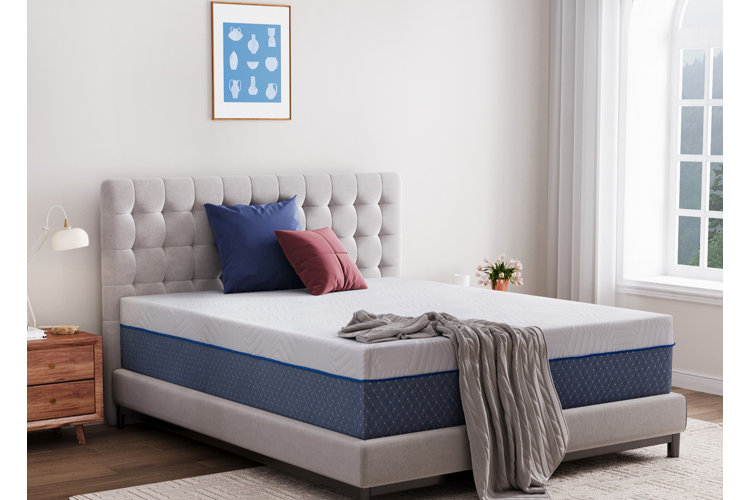
Whether or not you’ve recently browsed bedding, chances are you’ve heard of memory foam. From mattress toppers to pillows, it’s famous for providing a soft cushioning that molds to your body – but what is memory foam material? And, more specifically, what is a memory foam mattress? Read on to learn more about memory foam’s origins, benefits, and how it can revolutionize your sleep.
What Is Memory Foam & What It Is Used For?
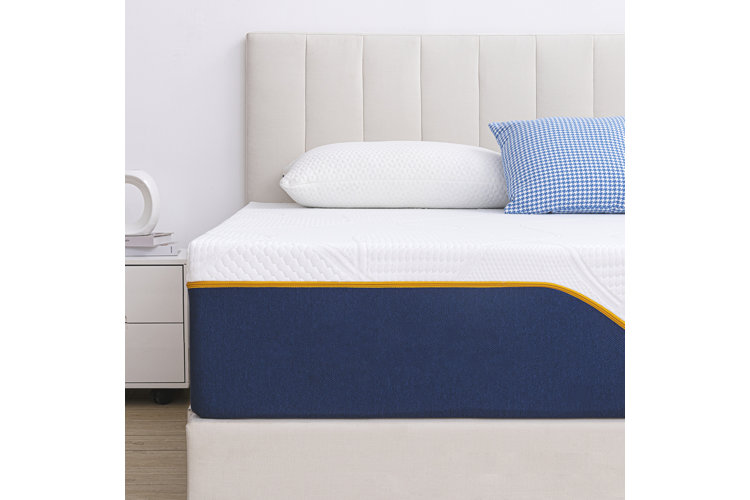
Memory foam dates back to the 1960s, when it was originally designed to pad the seats of NASA spaceships. Made of viscoelastic foam, the cushiony material was designed for comfort and shock absorption, which helped prevent astronauts from getting injured during their missions. However, memory foam material quickly gained mainstream popularity among commercial manufacturers – soon enough, it transitioned from space technology into the bedding industry staple we know and love today.
Memory foam has a variety of uses. Below we’ve listed the places it’s most commonly used in the home:
- Mattresses and Toppers: Most commonly, memory foam material is used to craft comfortable bedding, like mattresses and mattress toppers. Its ability to mold to the body greatly improves sleep quality and contributes to overall health by promoting circulation, reducing joint pain, and aligning the spine. Before committing to a mattress or mattress topper, testing these items can help you decide if it’s the right fit for you.
- Pillows and Cushions: In addition to being used for whole-body support in items like mattresses or mattress toppers, memory foam is incorporated into bed pillows and chair or couch cushions to support the neck, shoulders, and tailbone.
Now that you know what memory foam is, here are a few of the most popular types, which have been developed to meet a variety of needs and enhance overall comfort in your home:
- Traditional Memory Foam: The traditional variation of memory foam is what likely comes to mind when you think of this material. The first to be mass-marketed, this version of memory foam is composed of polyurethane and designed to mold to your body, allowing you to sink into a cozy contour. This material is most famous for the pressure relief it provides, which is why traditional memory foam has remained popular within mattresses and bedding so long after its inception.
- Open-Cell Memory Foam: Open-cell memory foam material has a similar look and feel to traditional memory foam, but possesses a different internal structure. This variation is composed of small air pockets, otherwise known as “open cells,” that improve the material’s breathability, helping it quickly retain its original shape. The permeability of open-cell memory foam makes it the ideal choice for restless sleepers seeking a mattress that continually molds to new positions.
- Gel Memory Foam: As its name suggests, gel memory foam is crafted with gel-based pods or microbeads. These particles are ideal for absorbing heat from your body and dissolving it, keeping you cool throughout the night. If you tend to run hot and temperature regulation is your top sleep priority, gel memory foam material is the best option.
- Latex Memory Foam: Made from either natural or synthetic latex, this variation is bouncier than traditional memory foam, while maintaining similar contouring and pressure-relieving properties. Latex variations tend to be firmer, providing added support for those with back or joint pain. If you’re seeking a more solid mattress that still possesses the comfort of memory foam material, latex is the perfect choice.
Benefits of Memory Foam
- Customized Comfort: By adapting to your body, memory foam material provides support catered to your unique needs. No matter your position, the soft mold into which you sink helps you remain comfortable throughout the night.
- Pressure-Relief: By molding to your specific body shape, pressure is relieved from the areas that tend to support our body weight as we sleep on traditional mattresses, like the hips, back, shoulders, or neck. Instead, your weight is evenly distributed, alleviating strain and making memory foam material the ideal choice for those battling joint pain.
- Motion-Isolation: Do you co-sleep or share your bed with a partner? Memory foam may be just what you need, especially if you’re a light sleeper. Movement absorption is one of memory foam material’s key benefits because it prevents the motion from disturbing your rest.
- Spinal Alignment: Lumbar support is among the top benefits of memory foam – the targeted support it provides helps properly align the spine as you sleep by adapting to your back’s natural curve. Not only does this minimize tossing and turning, but reduces back soreness and even improves your posture over time.
- Quiet Performance: Unlike traditional mattresses, memory foam alternatives require no box spring, making for silent beds free of squeaking. If you’re a light sleeper easily startled by noise during the night, a memory foam mattress eliminates harsh creaking, contributing to a serene environment and a deeper, uninterrupted sleep.
Caring for Memory Foam
Proper care for your memory foam is crucial to ensure terrific sleep for years to come. From vacuuming to spot-treating stains, check out our guide on Cleaning 101: How to Clean Memory Foam to keep your furniture in pristine condition.
On average, memory foam mattresses should be replaced every 8–10 years. Memory foam mattress toppers should be replaced every 3–5 years, while smaller items like pillows and cushions have a 2–3 year lifespan. When in doubt, follow manufacturer instructions for care to guarantee your memory foam’s longevity.
Tip!
Be sure to browse our helpful guides on How Long Memory Foam Mattresses Last and How Long a Memory Foam Topper Lasts for more tips on care and maintenance.
