What Is Rubberwood?
Budget-friendly hardwood.
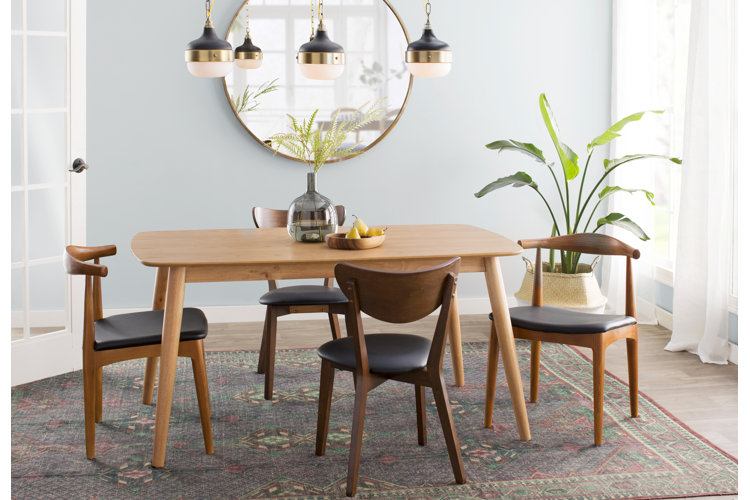
Rubberwood (or parawood) is a natural, medium-density hardwood sourced from Pará rubber tree plantations. Loved for its durability, smooth grain, and sustainable sourcing, this real wood delivers elevated style without the elevated price tag. From dining tables to storage essentials, learn what rubberwood is and explore how it can bring long-lasting quality to your home.
In this guide:
What Is Rubberwood?
Consider the Benefits of Rubberwood
Compare & Contrast With Other Types of Hardwood
Frequently Asked Questions
Is Rubberwood Real Wood?
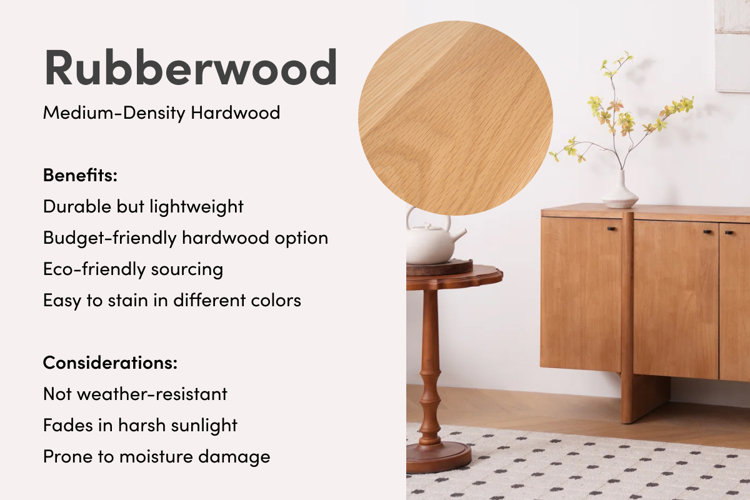
Rubberwood is a completely natural, medium-density hardwood sourced from Pará rubber trees at the end of their primary production cycle. Despite its name, rubberwood doesn’t contain any synthetic materials, although it is harvested from the same tree that is used to make rubber. Rubberwood naturally has a light or medium wood color, but it’s easy to stain to achieve a variety of wood finishes. Whether you're looking for the rich depth of dark walnut or a crisp, natural oak look, rubberwood delivers the beauty and durability of solid hardwood at a budget-friendly price.
Rubberwood vs. Engineered Wood & MDF
To understand where rubberwood fits into furniture construction, it helps to see how it compares to engineered wood and medium-density fiberboard (MDF).
- Solid Rubberwood: Harvested directly from mature Pará rubber trees (Hevea brasiliensis), rubberwood consists of pure timber boards milled together. It retains its natural grain patterns, offers structural strength, and can be sanded or refinished if scratched.
- Engineered Wood: Engineered wood is made by layering thin sheets of real wood crosswise and bonding them with adhesives. While engineered wood resists warping in humid conditions, it lacks the uniform density and weight of solid wood.
- Medium-Density Fiberboard (MDF): MDF is a composite material made from broken-down wood fibers mixed with resin and compressed under heat and pressure. MDF provides a smooth, flat surface that is ideal for painted finishes, but doesn't offer natural wood grain or the long-term durability of solid rubberwood.
What Are Rubberwood Solids
"Rubberwood solids" means that a piece of furniture is built using solid cuts of rubberwood rather than composite wood cores or hollow materials. Manufacturers frequently choose solid rubberwood for high-stress structural components – such as table legs, chair frames, cabinet bases, and bed posts – because of its reliable density and warp resistance.
Benefits of Rubberwood Furniture
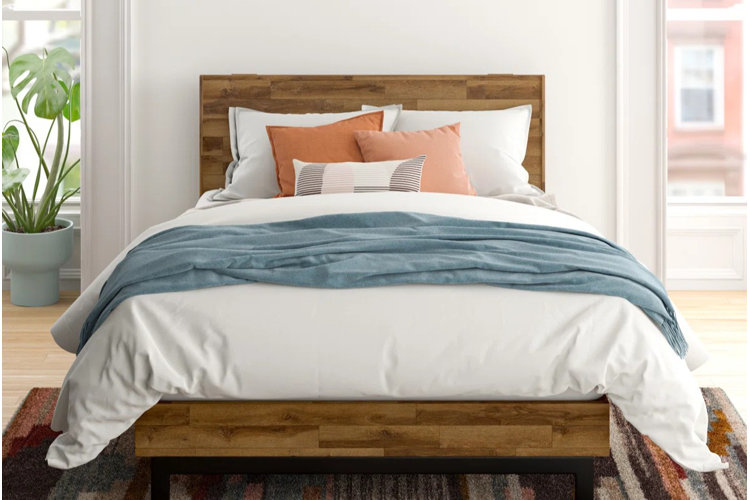
There are so many benefits to choosing rubberwood furniture. Below, we've broken down the pros of this hardwood option to aid in your decision.
Affordability & Sustainability
Rubberwood is a great option if you’re looking for furniture that is both budget- and eco-friendly – here’s why:
- Affordability: Rubberwood is relatively more affordable than other wood furniture options because it is considered the byproduct of the tree's actual purpose: extracting latex to make rubber. Therefore, harvesting the wood after the tree has ceased making latex is an easy and beneficial process (as it makes room for new trees).
- Eco-Friendly: As mentioned, lumber companies harvest rubberwood to produce wood furniture when it's at the end of its natural life and no longer producing latex. This allows it to contribute fully to an ecosystem before being harvested. In addition to the time frame for harvesting rubberwood, it only takes around 30 years for the tree to mature, while other hardwood trees can take up to 100 years to mature.
Durability & Workability
Rubberwood is a great long lasting material that can be customized to fit your interior style for years to come.
- Durability: Its medium-density composition makes rubberwood a durable option for wood furniture when you're on a budget. Rubberwood has a strong, straight wood grain that makes it less likely to shrink or crack. It also makes it suitable for dining room tables, chairs, beds, and other statement furniture pieces that need to be able to support varying amounts of weight at a time.
- Medium-Density: Rubberwood is considered a medium-density hardwood, which means that it is neither too thin nor too thick. It strikes the perfect balance for durability while also remaining more affordable and easy to move, unlike heavier, higher-density hardwoods.
- Versatile Stain Options: Although rubberwood has a natural light to medium wood tone, it's very easy to stain it to achieve a variety of other wood tones. This is because it has a porous composition and a straight wood grain. Manufacturers can achieve a variety of styles and finishes with rubberwood, which means more options to choose from for your furniture.
Neighborly Tip!
Check out our Types of Wood Furniture & Finishes Glossary to learn more about matching your wood furniture to your overall interior.
Considerations for Rubberwood Furniture
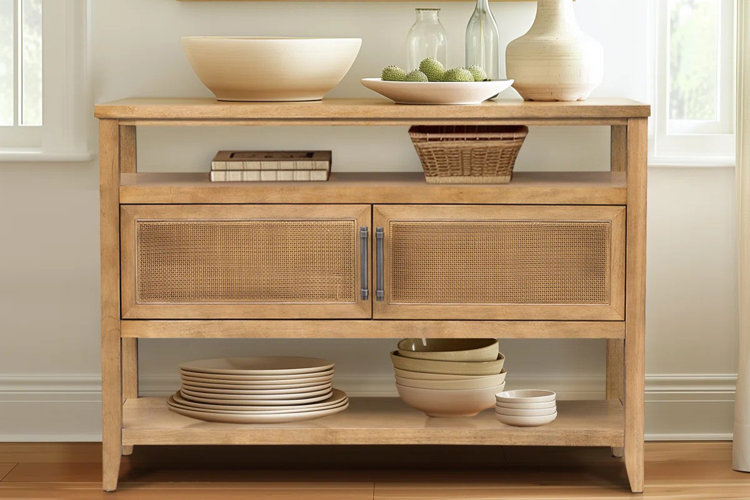
While rubberwood furniture is an excellent choice for many homes, it’s not a one size fits all. Here are some things to consider before choosing this material.
Moisture & Outdoor Limitations
Rubberwood is naturally absorbent and prone to swelling, warping, or cracking when exposed to excess moisture or direct weather elements. Because of this sensitivity to damp conditions, rubberwood furniture is strictly intended for indoor spaces. Avoid using rubberwood pieces on outdoor patios, covered porches, or in high-humidity areas like unventilated bathrooms. For indoor rooms, keeping your furniture away from damp walls or direct heat vents will help preserve its shape and finish over time.
Perceived Quality Concerns
As a medium-density hardwood, rubberwood is lighter and slightly softer than traditional heavy hardwoods like oak, maple, or walnut. This means its surface can be somewhat more susceptible to dents, dings, or scratches under heavy impact. Additionally, because rubberwood is harvested after latex production, some shoppers mistakenly associate it with low-quality or synthetic budget furniture. In reality, solid rubberwood offers steady structural stability and dependable durability for everyday dining tables, bed frames, and storage pieces – delivering the authentic warmth of real wood at an approachable price.
Compare & Contrast With Other Types of Hardwood
In this section, discover how rubberwood differs from other types of hardwood so you can decide if it's the right wood furniture material for you.
Rubberwood vs. Oak
When it comes to comparing rubberwood vs. oak for furniture, both provide beautiful, durable results. Rubberwood is light- to medium-tan in tone, while oak can vary between white or red tones. Rubberwood features a medium-density composition, but oak has a higher-density that makes it heavier, more durable, and more expensive.
Rubberwood vs. Walnut
Rubberwood and walnut wood are similar in that they're both medium-density hardwoods. Walnut wood differs in appearance from light to dark shades of brown, while rubberwood stays on the lighter side. Overall, rubberwood is less expensive to produce and more readily available, which makes it the more affordable option of the two.
Rubberwood vs. Teak
Rubberwood and teak are very similar in appearance. Both have a light to medium-toned color range, and both are grown in parts of Asia today. However, teak is generally considered heavier, more durable, and pricier. Rubberwood gives you a similar look with a lighter-weight wood and a more budget-friendly price point.
Rubberwood vs. Bamboo
Bamboo is technically a grass, but has the strength to rival hardwood alternatives. Like rubberwood, bamboo is considered eco-friendly. This is because it can regrow when cut back and harvested. Bamboo is sometimes more affordable compared to rubberwood. However, when it comes to durability, rubberwood is the way to go. Its dense composition makes it ideal for statement furniture pieces that you want to last long-term.
How to Care for Rubberwood Furniture
Understanding how to care for rubberwood will help you take proactive measures to preserve furniture pieces for the long-term.
1. Refrain From or Limit Outdoor Exposure
Keep rubberwood furniture indoors and away from direct sunlight to help preserve its quality. Extreme cold, humidity, or wet conditions can put stress on the wood and cause cracking or moisture damage.
2. Regularly Dust Rubberwood Furniture
Go over rubberwood surfaces with a dry cloth to prevent dust or dirt from building up and getting stuck in the wood grain. Complete this task on a weekly basis or whenever you start to notice a film of dust gathering on the surface. This will keep rubberwood pieces looking pristine.
3. Use Coasters
Use coasters for drinks on rubberwood tables to prevent moisture rings and moisture from seeping into the wood grain. This will keep rubberwood strong and mark-free. If you spill liquid or forget to use a coaster, simply wipe and dry the spill right away to keep the moisture from settling into the wood.
4. Wash Pieces On a Yearly Basis
We recommend washing your rubberwood furniture with a mild soap and water mix at least once a year or as needed to keep it looking its best and to remove any unwanted marks. Use a damp cloth to wash and wipe down the surface of the furniture. Then go back over with another dry cloth to soak up the moisture and to help quicken the drying process.
Frequently Asked Questions
What tree does rubberwood come from?
Rubberwood comes from the Pará rubber tree, used for rubber production.
How does rubberwood compare to oak in terms of density?
Rubberwood has a medium-density, while oak has a higher density, making it heavier.
How can I prevent damage to rubberwood furniture?
Keep it indoors, avoid direct sunlight, dust regularly, use coasters, and wash yearly.
