What Is Shiplap?
Why having the shiplap walls of your dreams is easier than you think.
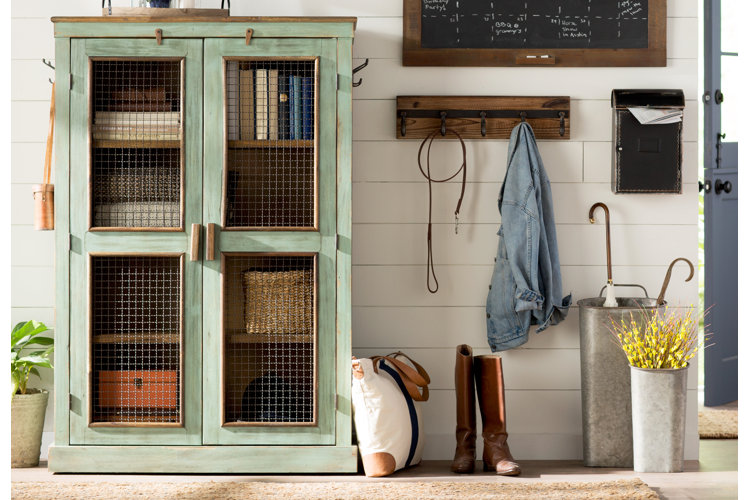
From home renovation shows to do-it-yourself videos, shiplap has become extremely popular. If you’re asking yourself “What is shiplap?”, this guide will help you get a better understanding of these popular interior planks and how to choose the right ones for your space, including the difference between shiplap boards and shiplap wallpaper.
What Is Shiplap?
Shiplap Features
How Is Shiplap Installed?
What Is Shiplap?
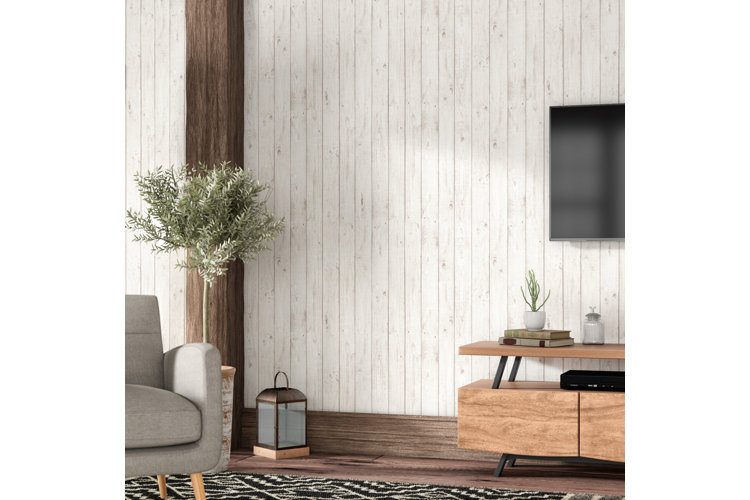
Shiplap is a type of plank that is used for finishing exterior and interior walls. Originally created to form a barrier between the frame and exterior of a home, today shiplap is integrated into the design of a space and used for decorating purposes.
Shiplap boards have notched edges to allow them to fit together like puzzle pieces. Shiplap panels can be made from wood, vinyl, or engineered wood. They come in a variety of colors, wood grains, and sizes that make it perfect for customizing any wall.
Shiplap Features
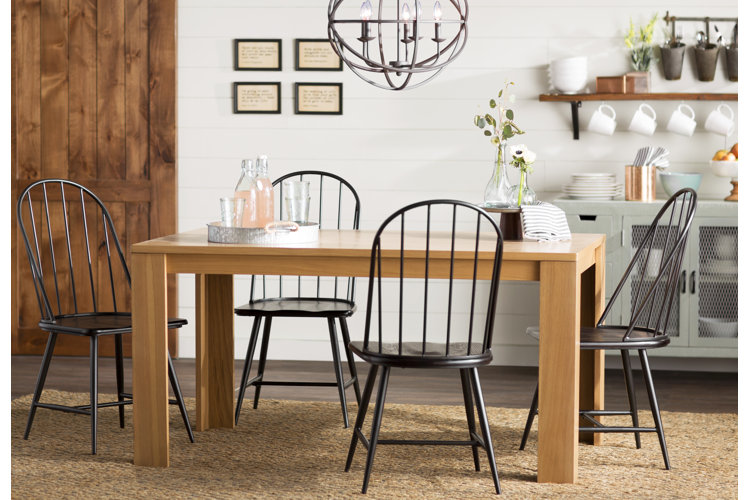
Shiplap has many features other than looking good. From waterproof to soundproof, keep reading to help you choose the right shiplap for your home.
Water-Resistant: Water-resistant shiplap is perfect for areas that see the occasional accident or spill every now and again. Install it as a kitchen backsplash or use it in the dining room to add decoration and protection.
Paintable: Paintable shiplap allows you to customize the planks to fit your vision. Choose two paint colors for a fun mix-and-match wall or install them then paint a mural over them to mix texture and color together.
Tip!
If you’re looking for shiplap that was made locally, check out Shiplap Made in the USA. It’s a great way to support USA-based businesses and workers.
How Is Shiplap Installed?
Shiplap is installed by placing the planks on the wall and ensuring that the grooves are locked together like puzzle pieces. This process is always the same, but the method used to adhere the planks to the wall varies. These methods include peel-and-stick to stapling – keep reading for more in-depth info on each.
Peel & Stick: These planks have a very simple installation process. Simply peel off the back layer of the panel and attach it to the wall. If you need to cut pieces, try sharp scissors or a hand saw. This process can be done quickly, making peel-and-stick shiplap the perfect DIY project! Peel-and-stick panels are perfect for those looking for a temporary change like seasonal decorators or renters.
Glue Down: Shiplap that needs to be glued doesn't come with any adhesive on the back of it, unlike peel-and-stick panels. Planks should be glued to the wall with adhesive to ensure they stay. The glue should be made specifically to hold wall panels to your surface – if you're DIYing this project, be sure to use the correct adhesive for your space. The glue behind the panels cannot be removed once it’s on, making this option great for people who are looking for a permanent, sturdy change. We recommend consulting a professional to help you install these panels..
Staple: Stapled shiplap is secured to a surface with staples. The panels are typically thick and sturdy to ensure the staples provide a good hold. They can be stapled in place manually or with a staple gun. Since staple guns are the most efficient way to install this shiplap,, they should be installed by a professional.
Nail: Nailed shiplap is attached with nails and a hammer. These panels tend to be made of thicker materials like wood and vinyl. Thicker materials need to be cut professionally in order to fit around corners, sockets, light switches, etc. Considering the precision and safety needed when installing these types of planks, they should be installed professionally as well.
Shiplap has a variety of places for possible installation. It all depends on if the surface requires shiplap panels or shiplap wallpaper.
Walls: Probably the most popular location, walls make perfect places for installing shiplap of any kind. Because of their flat surface, walls are strong and smooth enough to hold shiplap panels or shiplap wallpaper. This location is great for making an accent wall using a shiplap design for the extra detail.
Ceiling: For the same reason as walls, your ceiling is another location for installing shiplap because of its flat surface. Shiplapping your ceilings creates a dramatic visual that adds extra charm and dimension to your room (it also covers up those popcorn ceilings).
Other Flat Surfaces: There are other areas you can shiplap in your home, such as sides of cabinets, as in the picture above. These surfaces work best with peel-and-stick shiplap wallpaper so you aren’t having to use nails and leave behind holes in these surfaces. Putting shiplap wallpaper on these surfaces elevates the room’s decor and demonstrates your personal style.
Tip!
Want the look of shiplap without the hassle of installation? Check out our guide: Creative Shiplap Alternatives
Now that you know more about shiplap, it’s time to layer on those planks!
