What Is Velvet?
Unveiling the ultimate fabric for comfort and grace.
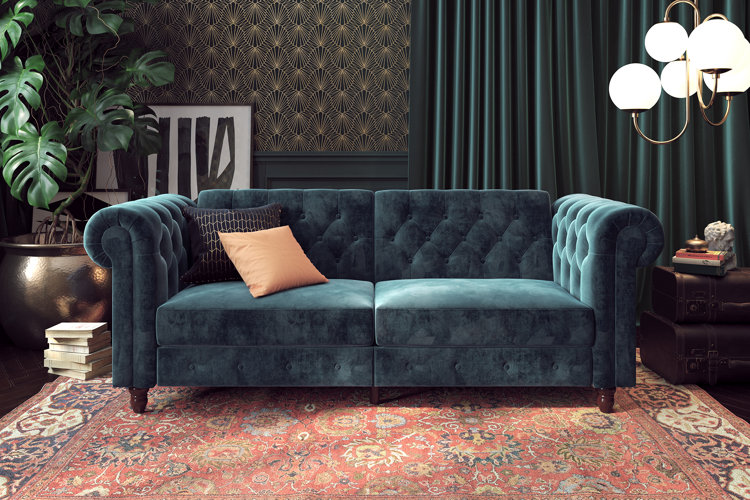
Searching for a luxurious fabric to tie into your home? Look no further than velvet, renowned for the ability of its rich texture and color to instantaneously imbue your home with royalty. Our guide breaks down what velvet is, how it’s made, and how different types of velvet offer an aesthetic of cozy sophistication.
What Is Velvet?
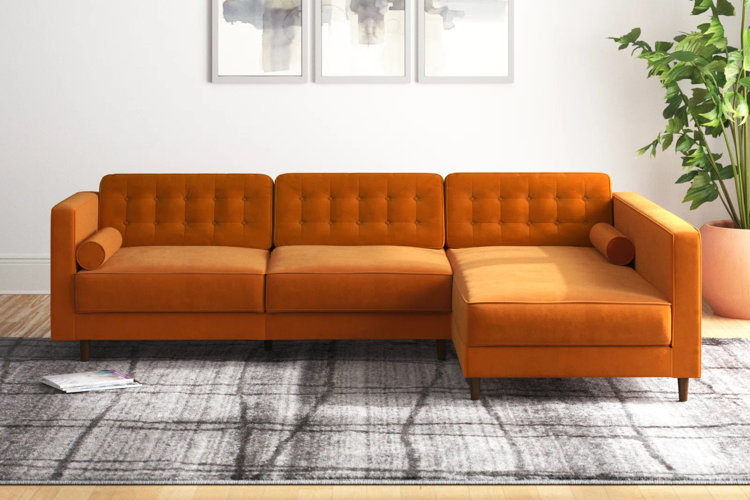
Used as an emblem of refinement for centuries, velvet material infuses the home with an air of timeless regality. Historically reserved for the elite, velvet’s royal reputation dates back to its inception, when it was woven from silk and epitomized wealth and status. Modern velvet still has a royal look that sets it apart from other fabrics. While customarily made from silk, modern velvet can also be crafted from materials like cotton or polyester, making it more affordable while maintaining its regal reputation.
Cushioned in texture and rich in appearance, velvet is the perfect addition to give your home a glamorous flair – it’s the ideal choice for upholstery, comforters, or curtains. It enhances any setting through its vibrant colors, from an opulent bedroom to a cozy living room.
What Is Velvet Made Of?
Now that you know what velvet is, let’s break down how it’s made. Velvet is created when two layers of cloth are stitched together through a process called the pile weave. As the fabric is stitched together, yarn loops form between each piece of material, forming thick coils that produce velvet’s trademark dense pile of fibers when cut – this is how the opulent fabric we know and love is made.
Types of Velvet
There are different types of velvet, each with their own unique characteristics and textures. Below are some of the most popular options, ranging from modern options to traditional variations that will help you select the best fit for your home.
- Crushed Velvet: This type of velvet is specifically treated, either by applying pressure and heat or crumpling the fabric while damp to create a crushed, shimmery surface. Crushed velvet is typically used in decorative accent furniture, such as curtains or throw pillows, to imbue a room with texture.
- Velveteen: This cotton-based velvet material is a more subdued alternative to crushed velvet. It’s made of cotton and often found in upholstered items, like headboards or chairs, because of its resistance to wear and tear.
- Stretch Velvet: Incorporating spandex for flexibility, stretch velvet successfully spans wider surfaces and pieces of furniture, such as sofas or headboards.
- Silk Velvet: Velvet’s most opulent form – soft, silk velvet pieces exude effortless luxury. High-end bedding and statement pieces often incorporate silk velvet to bestow the furniture with a feeling of refinement.
Pros & Cons of Velvet
Weighing velvet’s pros and cons can be helpful when deciding whether or not to incorporate it into your home. Below, we’ve outlined the fabric’s benefits and potential drawbacks.
Pros of Velvet:
- Elegant Appearance: Velvet’s luxurious texture creates an effortlessly regal, high-end look
- Multifaceted: Velvet can be incorporated into all sorts of home decor, from accent pillows to ottomans. No matter which velvet furniture you select, the lush fabric provides comfort and elegance.
- Rich in Color: Velvet’s royal coloring provides any room with vibrant color.
Cons of Velvet:
* Expensive: Natural and silk velvet tend to be pricier than other fabrics – opt for synthetic velvet if you’re keeping an eye on the price tag.
* High Maintenance: To maintain its signature texture, velvet often requires attentive cleaning and care. See more info on how to clean velvet material below.
* Prone to Damage: Synthetic velvet material can wear down over time, becoming crushed if placed in busier rooms of your home. To prevent damage, you can opt for polyester-crafted synthetic velvet, which is a more hardwearing alternative.
Ways to Decorate With Velvet
Entryway
Velvet ottomans are a great way to make your entryway feel more inviting. Velvet’s versatile material is ideal for adding warmth and texture to smaller areas, like entryways, while also serving as a comfortable seating material while you put on your shoes.
Bedroom
Velvet creates a luxurious atmosphere in the bedroom. A velvet headboard, bench, or bedding will successfully elevate your abode, and its material adds a cozy flair to your space that will help you fall asleep every night.
Dining Room
Velvet-upholstered chairs will add style to the room when paired with modern tables. The soft texture makes for comfortable and graceful dining room seating.
Living Room
Easily incorporate velvet into your living room through velvet-upholstered sofas or accent pillows. From modern to classic designs, versatile velvet lends comfort and poise to any space.
How to Care for Velvet
Depending on fiber content, caring for velvet material can vary. Synthetic types of velvet, like polyester, can usually be spot-cleaned or placed in the washing machine on a light spin cycle. Conversely, silk velvet is finer, and should be dry-cleaned or hand-washed to prevent tears and breakage. Make sure to follow the care instructions specific to your velvet in order to keep it in pristine condition.
