Which Pressure Cooker Is Best? How to Pick the Best Pressure Cooker
Get in on this quick & efficient cooking method.
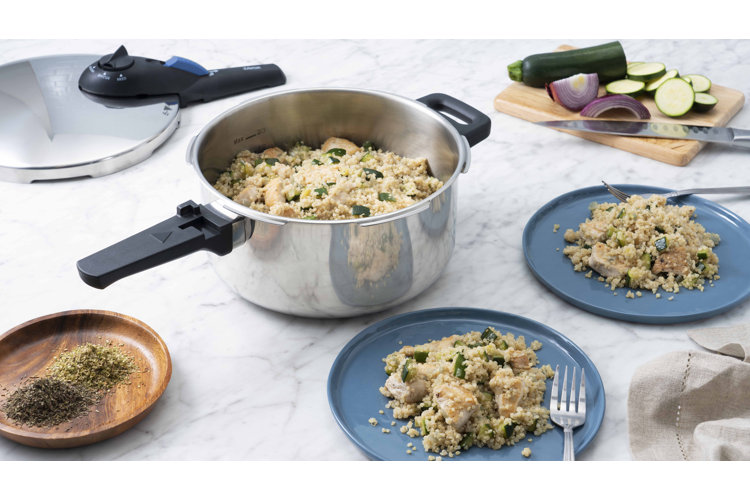
Pressure cookers are versatile kitchen appliances that make cooking quick and easy whether you're constantly on the go, hosting impromptu guests, or just want a delicious and fast meal at the end of the day. That being said, pressure cookers come in a variety of cooking configurations, sizes, and design models, so it's important to do your research before you select a pressure cooker. Keep reading to learn which pressure cooker is best for you depending on your kitchen layout and cooking capacity needs.
What Is a Pressure Cooker?
How to Determine Which Pressure Cooker Is Best for Your Needs
What Is a Pressure Cooker?
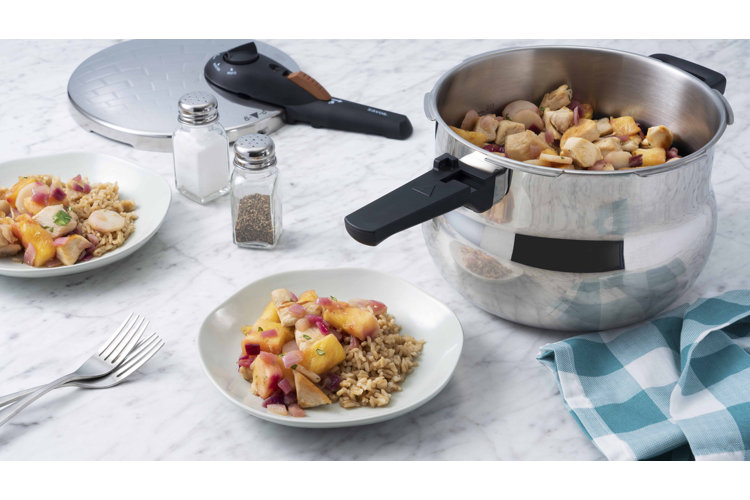
A pressure cooker is a type of cooking appliance that cooks food in a sealed pot. It uses water, pressurized steam, and high temperatures to steam vegetables, to cook stews, soups, or casseroles, to poach eggs, or to tenderize meat to perfection in half the time of a slow cooker. Overall, it is such a versatile and valuable cooking appliance to have on-hand in the kitchen.
Tip!
Take a look at Slow Cooker vs. Pressure Cooker: How to Choose the Right One to compare these two cooking methods.
How to Determine Which Pressure Cooker Is Best for Your Needs
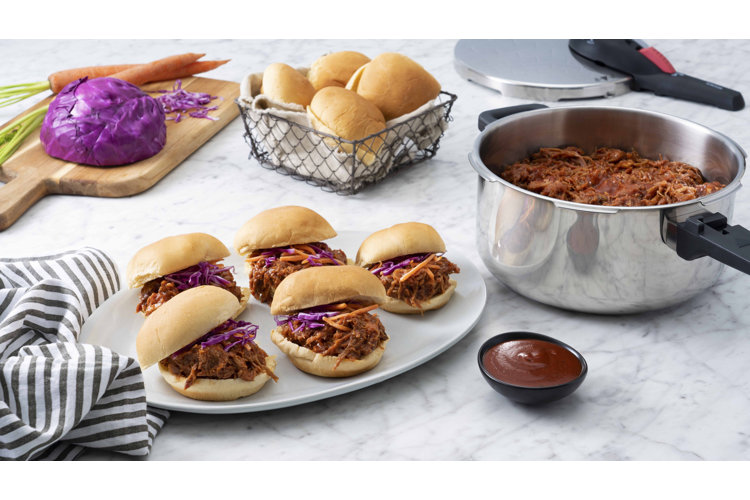
Ensure you choose a pressure cooker that exceeds your expectations by considering which type, size, and features you can't live without. Follow the steps below to get started!
1. Choose the Right Type
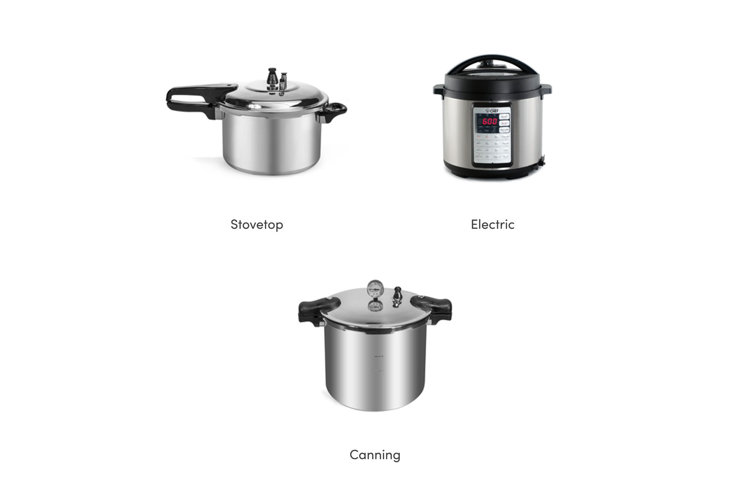
When it comes to choosing a pressure cooker, you have the choice of a stovetop pressure cooker, an electric model, or a canning model. Here's a more in-depth look at types of pressure cookers to choose from.
Stovetop
As implied, stovetop pressure cookers operate on stove burners and use the heat from the stove to heat and steam food inside the cooker. Stovetop pressure cookers are more basic, so they're also more budget-friendly. Stovetop pressure cookers can also cook food faster than electric models because they rely on the powerful heating mechanism of the stove rather than a household outlet.
Electric
In contrast, electric pressure cookers can go on kitchen counters or anywhere that has a standard household outlet. They plug into the wall and have electric temperature controls to monitor and steam food to perfection. Because these models are more high-tech, they're also more expensive than stovetop models. However, they give you a lot of flexibility with where you can cook your food. Electric pressure cookers free up stove burners for other cooking activities (great for when you're cooking large meals) because you can plug it in and cook food right on the countertop!
Canning
Canning pressure cookers are specifically-designed for canning activities, so if you enjoy pickling or making your own jams or chutneys, this option is the way to go. These pressure cookers are available in stovetop or electric models. Canning pressure cookers are larger (usually 10 quarts or more) and are designed to boil multiple jars of canned goods at a time. This efficient cooking method is great for canning because it's able to boil canned goods at a consistent higher temperature compared to traditional boiling pots (no chance of bacteria surviving). This increases the shelf-life of canned goods and prevents mold or bacteria from ruining your hard work!
2. Decide On a Capacity Size
Once you've decided on a pressure cooker model, you can move to cooking capacity. Pressure cookers come in a range of sizes to best fit your kitchen and average meal sizes. Below, we've outlined pressure cooker sizes to help you choose.
Mini or Small Pressure Cookers (Feeds 2–4 People): Mini pressure cookers are usually under 3 quarts, which makes them suitable for feeding up to two people. This size is perfect for quick-cooking dips – then just serve right out of the cooker. Small pressure cookers typically hold 3–4 quarts, which makes them perfect for a family of four or someone who hosts intimate gatherings. These pressure cookers are the ideal size to cook delicious casseroles.
Standard Pressure Cookers (Feeds 6 People): Standard pressure cookers are usually 5 quarts and can feed up to six people. The size and depth of a standard pressure cooker makes it a suitable option for soups, stews, and chili recipes!
Large or Extra-Large Pressure Cookers (Feeds 8–9+ People): Large or extra-large pressure cookers are ideal for large families or people who enjoy cooking large cuts of meat. Large pressure cookers are 6–7 quarts, which makes them perfect for a 6lb roast. They can also feed up to eight people. Extra-large pressure cookers are the way to go if you plan to feed nine or more people at a time. These models are typically 8+ quarts and can cook large cuts of meat – even up to a 10lb turkey.
Tip!
Trying to decide which is the best pressure cooker size for your cooking needs? Review How to Use a Pressure Cooker to discover cook times and temperatures for specific pressure cooking activities.
3. Determine Which Features You Can't Live Without
You can't determine which pressure cooker is best for your kitchen without considering your feature options. Pressure cookers have a range of features that makes them easier to operate and maintain. Here are some examples to look out for.
Safety: When it comes to choosing a pressure cooker, there are a variety of safety features available. These features are especially helpful in busy homes with children or pets. Some pressure cookers have lockable lids to keep the lid from popping off due to pressure or to prevent little ones from accessing the interior and exposing themselves to hot steam. This usually looks like an additional twist or push mechanism on the lid. Some lockable lids are also designed to only unlock after the interior pressure goes down – keeping you safe from exposure to hot steam as well. In addition to lock features, some pressure cookers have a cool-touch exterior, especially handy if you worry about little ones touching the cooker when it's hot. Pressure cookers can also have auto-shut off features (most common in electric models) that turn off the pressure cooker after a certain amount of time. This prevents food from burning or becoming a fire hazard.
Functionality: When deciding on a pressure cooker, you might also want to consider which features will help make cooking easier or more flexible for you. Programmable pressure cookers (electric models) have labeled control buttons that are pre-programmed to cook specific food (oatmeal, rice, chicken, stew, eggs) or perform specific functions (bake, saute, steam, sous vide) so you don't have to think twice about cooking settings. Portable pressure cookers (electric or stovetop models) are designed with handles to make transporting easy. While others are designed to be more compact or outdoor-suitable (perfect for camping!).
Cooking: Stovetop, electric, and canning models can have adjustable temperature settings so you can set and monitor the interior temperature as you cook a variety of meals. Electric or electric canning models may provide a digital display screen and temperature settings you can tailor to the degree. Stovetop models usually have an interior pressure indicator on the lid and a pressure release valve that allows you to control the amount of heat and pressure inside. Many electric models feature high-tech timer settings or keep-warm buttons to help monitor cook times and keep food at a ready-to-eat temperature once you're done cooking.
Cleaning: Make clean up a breeze with a pressure cooker that features a nonstick coating (no burned food on the bottom) or a removable interior cavity (especially helpful when washing/cleaning out electric models).
Finish: You also have a variety of finish options when it comes to pressure cookers. Choose from silver or black finishes to match those of other countertop accessories, kitchen appliances, or cookware. Regardless of the color finish you choose, we recommend going with a quality material like stainless steel to ensure you get the most use out of your cooker.
You Might Also Like:
With a better idea of which pressure cooker is the best for you, get browsing!
