Tips for Planning a Vegetable Garden
Grow your green thumb.
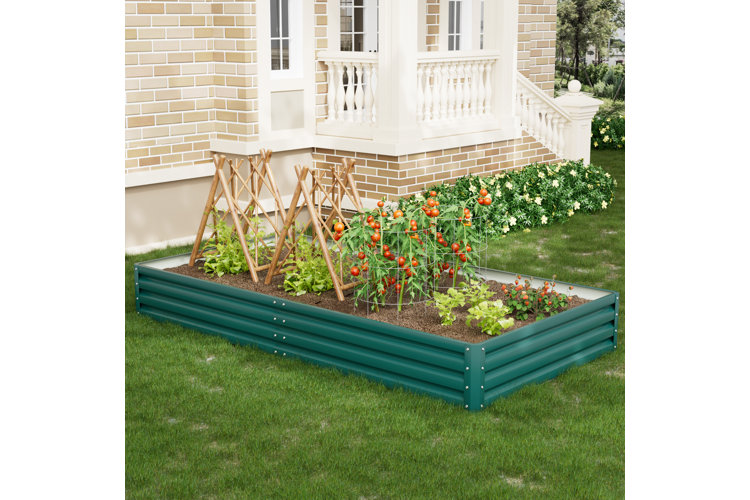
Aside from the known health benefits of eating home-grown vegetables, you can also significantly reduce your weekly grocery bill by planting a vegetable garden. Learn how to start a vegetable garden in your backyard with our list of tips to help you achieve a bountiful harvest.
1. Pick an Optimal Spot
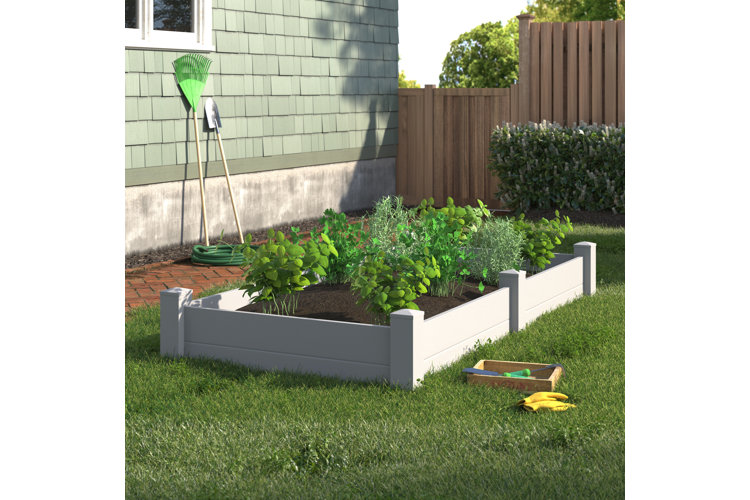
Locate a space in your yard that gets six to eight hours of direct sunlight and is close to a water source. Plant taller crops like beans, corn, and peas on the north side of the garden; this prevents them from shading other crops as they grow. Toward the middle of the garden, scatter varieties of tomatoes and squash. Low crops, like lettuce and onions, should be planted on the south side of the garden bed to get good sun.
Tip!
Check out How to Start a Garden Step-By-Step for information on soil testing and choosing a spot with the right growing conditions.
2. Plan Your Watering System
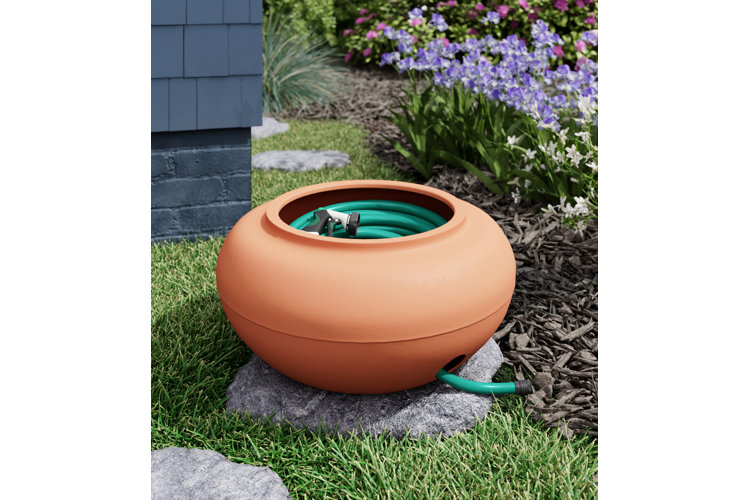
Set up a garden hose, rain barrel, or drip irrigation system before you start planting your vegetable garden. This makes maintaining your garden a breeze and takes away the stress of lugging a watering can to and from your kitchen sink or hose spout. On average, vegetables need an inch of water per week, so to make sure your garden is getting enough water, keep track of how often it rains in your area. Manually water plants on dry weeks, making sure to water in the morning to give your plants time to dry off in the sun and prevent foliage rot and disease.
It's easy to get excited when planting your first garden, but beginners should start small with an easily maintainable garden. Typically, a 10’ by 10’ garden will produce enough vegetables for a family of four. But, if this is your first garden, try tackling a smaller 4’ by 4’ foot garden. If you have limited space, plant vegetables that will keep providing throughout the season, such as tomatoes, peppers, and squash. For space-savvy gardeners or apartment dwellers, try planting in pots that fit on your porch or patio.
Consider raised planting beds in areas with difficult soil; they provide good drainage and air circulation. For the traditional garden look, use a raised bed, but if you're looking for something that doesn't require bending down, consider a planter with a height of 3’ to 4’. An elevated planter (see above) is perfect for gardening and harvesting while standing up.
Tip!
Unsure if you want to try the raised garden bed method? Check out The Benefits of a Raised Garden Bed to convert to this easy gardening method.
5. Add a Path for Accessibility
Garden paths should be both aesthetically pleasing and functional to walk on. Make your path wide enough for garden carts or wheelbarrows (as you never know when you may need one!). Leaving a pathway between your garden beds also allows for easy access to all parts of the garden for weeding and harvesting. You can use landscape edging, mulch, or stones to define the pathway and prevent the overgrowth of your crops so the paths remain functional all season long.
Hardiness zones account for the average first and last frost dates for a particular area, as well as other weather conditions and average temperatures that affect the growing process of plants. Reference the USDA (United States Department of Agriculture) zone map or the Farmers' Almanac website to determine which hardiness zone you live in. These resources can also help you determine when the best time is to sow seeds for spring, summer, and fall growing seasons. A quick search of your hardiness zone online can help you determine which vegetable plants will thrive in your climate, and which might not. If your climate isn’t conducive to growing a garden or the season is too short, try starting your seeds indoors or opting for an indoor system like hydroponics.
Ensure success in your vegetable garden by focusing on a few crops you really want to grow (and eat!). Then plan the rest of your garden around those plants. This helps simplify the process of vegetable garden planning. For example, if you want your main crops to be tomatoes, cucumbers, and bell peppers, dedicate a garden bed to each crop. With remaining space, you can decide to grow lettuce varieties and herbs to pair with these crops. This way, you maximize the potential of your vegetable garden and its use while keeping the setup relatively simple.
8. Companion Plant for Success
Did you know that certain vegetables grow better together? You may have heard of the common trio of beans, squash, and corn, but the same goes for other vegetable pairings. Tomatoes grow well when paired with basil, lettuce, and cucumbers, but brassica plants like cabbages would compete too much with the tomato plant for space and nutrients. Don’t forget to dedicate some of your garden space to flowering plants like cosmos, nasturtiums, and marigolds to attract pollinating insects like bees and butterflies.
Planting your seeds indoors or in a greenhouse gives you a jump start on the season. Greenhouses are a great place to nurse young plants regardless of the weather – and without taking up valuable square footage in your home. When starting your seeds, plant them in clean containers with soilless peat moss and mix in vermiculite and perlite to provide adequate moisture and airflow. Always follow the directions on the seed packet, as some seeds need to be soaked, scratched, or chilled before planting. If starting your seedlings in a greenhouse, you may need to provide a heat source or frost coverings for added protection during colder months.
Tip!
New to greenhouse gardening? Review How to Use a Greenhouse to determine if it's the right option for your gardening methods.
10. Space Beds According to Mature Plant Sizes
Proper spacing in your garden is important to ensure your plants can spread their roots, absorb sunlight, and access nutrients without having to compete with other plants. Review your seed packets to determine how much space each vegetable plant needs to grow and thrive. Generally, small root plants like carrots, beets, and radishes need 2" – 4" between plants. Medium- to large-sized plants like lettuce, broccoli, and peppers need 12" – 18" between them. If you’re planning to grow extra-large crops like squashes, eggplant, or tomatoes, give them a generous 24" or more.
11. Practice Succession Planting
Succession planting is the practice of timing seed sowing intervals so that you always have seedlings, young plants, and mature plants on-hand. An example of this would be sowing one seed tray of lettuce every two weeks instead of sowing the whole seed packet at the same time. This prevents all of your lettuce from maturing and bolting (going to seed) at the same time. Use nursery pots and seed starter trays to grow young plants before transferring them to your garden.
Regardless of your garden size, vertical growing solutions like trellises and arbors are a must. This is especially important if you plan to grow tomatoes, beans, peas, cucumbers, and even other vining plants like squash and pumpkins. Trellises keep vegetable plants like these off the ground to promote air flow and healthy fruit. Not to mention, a few well-placed trellises or a planted arbor can add to the aesthetic appeal of your garden space.
Tip!
Check out DIY 101: Vertical Garden Ideas for Your Patio for more vegetable garden ideas that make the most of vertical space.
13. Prepare for Pests
If you live in an area with a lot of wildlife, you’ll want to prepare your garden for potential pests. Groundhogs, rabbits, and birds may try to snack on your grown vegetables and an infestation of bugs can devastate your leafy green crops. Fit a mini greenhouse, cold frame, or mesh netting over your vegetable garden to protect your plants from sneaky pests. This is also a helpful addition for pet-friendly backyards to keep your dogs from digging in the garden beds.
Plant labels make all the difference, whether you're just starting out or consider yourself a seasoned vegetable gardener. Use plant labels to mark the plant variety and the date you planted it to keep track of its growth. Make sure to label each individual plant in your garden to take away the guesswork altogether. It is important to keep track of each crop and remember the variety you planted. Coordinate your plants by using different colored labels, or get crafty and write the names of each on a rock. Regardless of your technique, make sure your labels are clearly visible and weather-resistant.
As a vegetable gardener, you will accumulate a collection of plastic and terracotta pots, seed trays, soil/fertilizers, gardening tools, and other gardening accessories, so it's important to have a way to store and organize these items. Ultimately, an organization system will help you enjoy your garden and keep your outdoor space looking pristine. A potting bench/table comes in a variety of design configurations that include shelves, drawers, and waterproof cabinets for storage. Some have hooks to hang garden tools and gloves so you can always find the tool you need.
Tip!
Unsure which potting bench design to choose when planning a vegetable garden? Check out our guide Choosing Potting Benches & Potting Tables for Your Garden for a breakdown of the options.
16. Be Prepared to Adapt & Amend
Now that you know how to start a vegetable garden, don't be afraid to allow your plan to grow over time. You may determine that certain crops do better in a different spot, or you may need to amend your garden layout to make for easier harvests. Each year you should rotate which vegetables you grow in a specific garden bed so as not to deplete the nutrients in the soil. Allow your vegetable garden to grow and adapt with you as you become a gardening master.
