Chaos Gardening: A Comprehensive Guide on the Viral Gardening Trend
No green thumb needed.
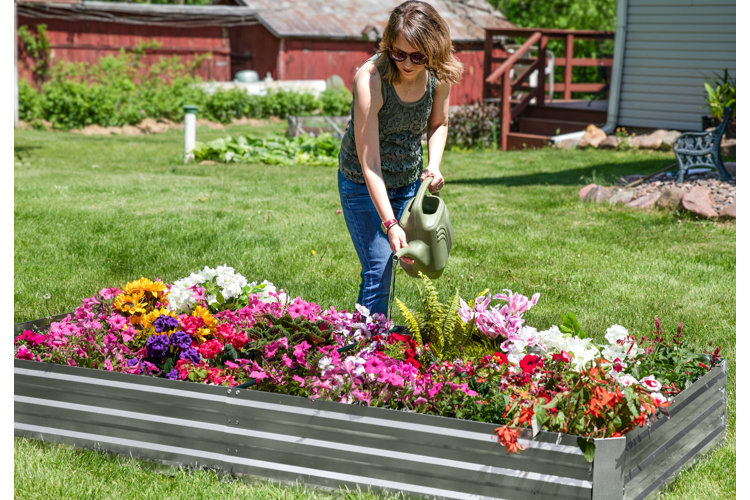
If you’ve always wanted to start a garden, but don’t have the time for planning and constant maintenance, chaos gardening may be the low-stakes solution you’re looking for. This trending technique gives you the thrill of watching your garden grow without having to worry about hours of research, planning, and labor intensive gardening – read our guide to get started.
What Is Chaos Gardening
Chaos gardening is a laid-back gardening method where you plant flowers, vegetable, or fruit plants by scattering random seeds in the dirt and seeing what grows. This is often done using leftover seeds from a planned garden, or purchased packets of mixed seeds. Chaos gardens can be planted wherever there is dirt and in small or large spaces. You can plant a chaos garden in a raised bed, pot, on a bare patch of dirt in your yard, or your entire lawn.
How to Start a Chaos Garden
Starting your own chaos garden is simple. The biggest challenge is letting go of expectations, since the whole point of chaos gardening is to let nature take its course. Keep in mind that some plants won’t do well, while others will thrive, and that’s okay. Follow these steps to get started:
1. Choose a Location: The first step is to choose a location for your chaos garden. To get the most enjoyment out of your garden, choose a location that you see every day so you remember to check it out and can watch your plants grow. All plants need water and sunlight to grow, so choose a spot that's close to a water source and gets plenty of sunlight during the day.
2. Prepare the Soil: If you are using pots or a raised bed garden container you will need to fill it with soil first. Regardless of the plant, most seedlings require well-draining, nutrient-dense soil. You can purchase a bag of gardening soil or use a mix of your existing gardening soil and compost if you have it. If you are planting directly into the ground, you will want to turn over the soil and mix in some fresh soil and compost to add nutrients.
3. Choose Your Seeds: Decide what kind of plants you want to include in your seed mix. Keep in mind that not all of them will survive, so make sure your mix has multiple plants you would like to see grow. Decide if you want your garden to consist of wildflowers, grasses, vegetables, fruits, or a mix of different plants. Choosing a mix of plants that are native to your area will get you the best results since they are used to your particular climate and tend to be more hardy. Native gardens tend to be low-maintenance and eco-friendly as well and can attract native pollinators.
4. Plant Your Seeds: Once your soil is set up, simply scatter them across your soil. Since this is chaos gardening, you don’t have to worry about spacing them out or planting them in rows. Once your seeds have been scattered you can put a thin layer of soil (about ½″) on top of the seeds.
5. Watch Them Grow: Chaos gardens require minimal maintenance but will need to be watered – the frequency and amount will depend on your climate and weather conditions. Seedlings will need to be kept watered to help them survive. Once your plants are established, you can water them as needed. If you notice any weeds that you don’t like you can pull them, but the whole point of chaos gardening is to let go of expectations and enjoy watching your plants grow!
What Are the Benefits of Chaos Gardening?
Whether you are looking for an alternative to traditional gardening, or are looking to add to your current garden set-up, there are several benefits of starting a chaos garden.
- Learn as You Grow: You can easily get started on a chaos garden with a small amount of work and research beforehand. You don’t need gardening experience to start and can have fun identifying and learning about your plants once they begin to grow. This technique is low-stakes since it doesn’t require a lot of time, energy, or supplies to get started.
- Easy to Maintain: Chaos gardens are very easy to maintain, especially if you set them up to thrive. Do some research about your plant mix beforehand and choose varieties that are most likely to do well with your location, climate, and lifestyle. Choose plants that don’t require a lot of sun if your yard is shady, or ones that are drought-tolerant if you know you won’t be able to water them consistently. Rely on tools like self-watering planters to make maintenance even easier.
- Sustainable & Eco-Friendly: This method of gardening fosters biodiversity, making it a sustainable gardening practice. Biodiversity in gardens can attract beneficial insects like ladybugs who take care of pests and eliminate the need to use pesticides. Including native plants in your seed mix can benefit native insects and pollinators. Replacing parts of your lawn with native plants or wildflowers instead of grass can help conserve water and energy needed to upkeep costly grass lawns.
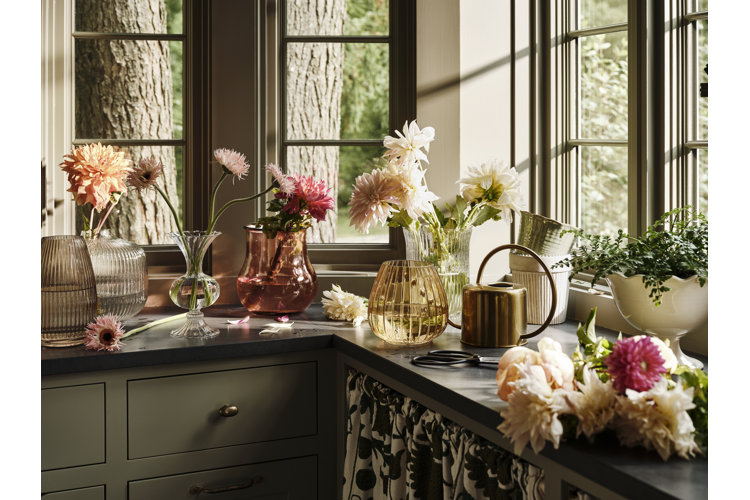
- Adds Beauty to Your Yard: Choose a seed mix that includes plants that are aesthetically pleasing to you, such as wildflower mixes for natural beauty. Chaos gardening is totally customizable and you can uproot any plants you don’t like as they grow. Planting a mix of flowers and vegetables or fruit gives you the benefit of having a garden that’s both functional and aesthetically pleasing – you can even cut flowers as they grow and place them in vases to use as centerpieces around your home.
