Types of Pavers to Build Your Outdoor Space
Lay the foundation for outdoor fun.
Want to transform your outdoor space without spending a ton of time (and money) on installation? It might be time to look into paving stones. These outdoor flooring materials instantly and stylishly smooth over backyards with patchy grass or mud-prone spots to achieve the outdoor oasis you deserve. Learn more about types of pavers below so you can level-up your outdoor aesthetic.
What Are Pavers?
Types of Pavers
Paver Materials
Paver Shapes
What Is the Difference Between Pavers & Outdoor Tiles?
What Are Pavers?
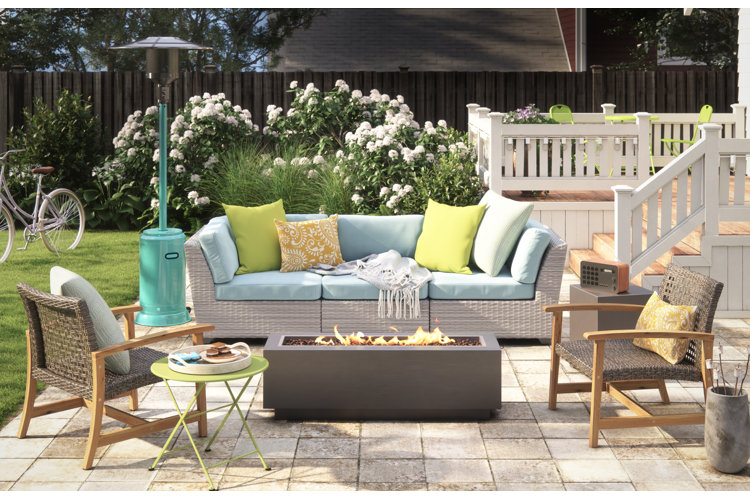
Pavers or paving stones are patio or ground coverings including gravel, slabs, or blocks. Pavers create level, mud-free surfaces for patio furniture or walkways and add to the overall enjoyment of your outdoor space. Review our guide on What Are Pavers? to learn more about pavers and their benefits.
Types of Pavers
When deciding on a paver design for your outdoor space, there are a few options to choose from. These differ in aesthetic appeal and functionality, so make sure you choose wisely. Pavers are categorized into the following types:
Paving Stones
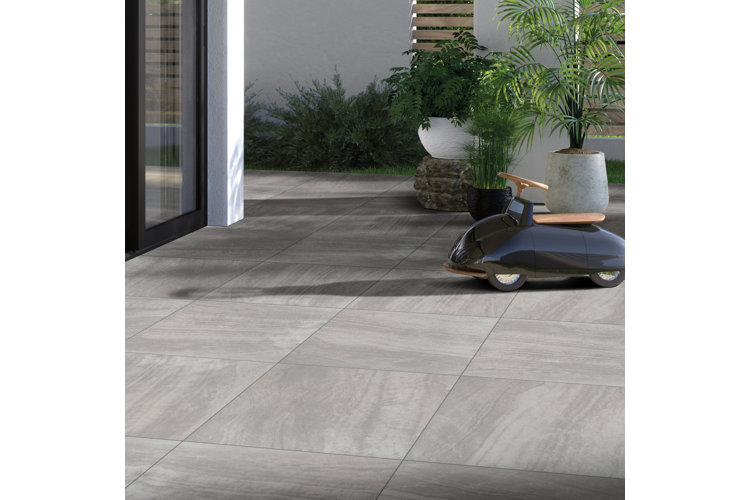
The most common paver type is paving stones. These are typically equal-sized stone slabs like the ones pictured above. However, paving stones can also take on the shape and appearance of organic stones for a different feel altogether. You can cover a lot of surface area with paving stones, which makes it a smart option for outdoor patios and pool decks.
Pool coping pavers are designed to frame the perimeter of a backyard pool. Unlike normal paving stones, pool coping designs have one side with a smooth or rounded edge. Not only does this add a refined look to your pool, but it also keeps you from getting scrapes from the side of the pool when you’re swimming. Some of these pavers are even designed to help keep water from getting into the pool shell liner or to help keep water from collecting on the pool deck.
If you're looking to make a cool impact with a rock feature or just want to cover more ground with a large paver slab, there are so many ways to use these types of pavers in your outdoor space. You can use boulders/large stones to dot the edge of a garden bed for a fun twist on an otherwise traditional landscape border. You can also use large paver slabs as the foundation for outdoor planters so they have a level surface to rest on. The possibilities are endless.
Tip!
Enter keywords in the "Search This Category" tab on the left-hand side of the product page for more specific types of paving stones like gravel or boulders.
Gravel & Pebbles
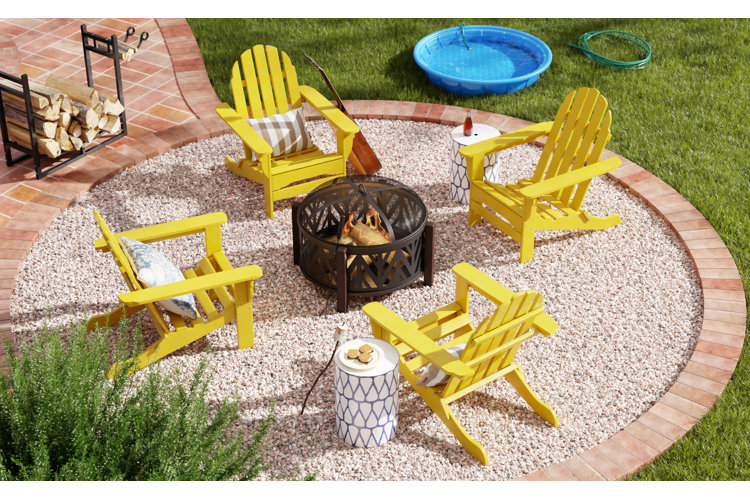
Gravel or pebble pavers are great for landscape borders, planters, firepits, driveways, or outdoor pathways, making them a versatile material for several outdoor spaces! A gravel/pebble base also works well to help define outdoor patio spaces. White gravel, as pictured above, has a particularly striking look when paired with flowers and foliage.
Paver Materials
The type of patio paving materials you choose should reflect your outdoor aesthetic and functional needs. Review the materials below to determine the benefits of each as a foundation for your outdoor oasis.
Composite
Composite pavers include options like brick, concrete, rubber, and other human-made materials. You can use concrete and brick pavers for driveways, walkways, firepits, and patios due to their durability. These composite pavers are also perfect for pool decks because they have porous compositions that prevent water build-up (and slipping). Have a salt-water pool? Concrete pavers work best for the pool deck as they are salt-resistant.
Types of pavers made of rubber work best on patios, outdoor play areas, pool decks, and walkways because they have good shock-absorption and are slip-resistant. However, we don't recommend using rubber pavers for your driveway as it doesn't have the same level of durability as concrete or brick. Check with the manufacturer before installing rubber pavers around fire pits. Use the "Search this Category" filter on the left-hand side of the product page to find specific composite materials.
Natural Stone
Natural stone pavers are typically more expensive than composite options because they have unique shapes, colorations, and rock patterns that set your outdoor space apart. Have a patio area that gets a lot of sun? Opt for travertine pavers. These pavers have a porous composition that prevents the trapping of heat. Travertine is also a smart option for pool decks because its pores absorb water while keeping the heat at bay. This means no slipping or burning your feet by the pool! Sandstone and quartzite are two other slip-resistant options for pool decks.
Opt for durable, scratch-resistant stones like porcelain for high-traffic areas like driveways, outdoor walkways, and frequently-used patios. Natural stones like marble work best in low-traffic spots or as garden features unless specified by the manufacturer. Granite, sandstone, and limestone are durable and heat-tolerant, making them a smart choice for firepits and the surrounding area. These natural stone options also absorb just the right amount of heat to keep you warm without overheating, so you can use them for sunny patios as well!
Use the "Search this Category" filter on the left-hand side of the product page to find specific natural stone pavers like porcelain.
Tip!
Get more in-depth information on the best material option for pavers in our guide to the Types of Patio Materials for a Lovely Landscape.
Paver Shapes
Pavers come in a variety of shapes and designs depending on the type and materials used. Square and rectangular shapes are common types of pavers for patios because they resemble interior floor schemes and fit together with ease. Random-shaped pavers like gravel/pebble stones create a uniform, textured look when used as the foundation for patios, walking paths, or driveways, whereas other random-shaped boulders and stone slabs create the perfect feature for a garden pathway.
The main difference between these two outdoor flooring materials is how you install them. Outdoor tiles typically require a concrete slab or level, hard surface as a base, while pavers can go right on the grass or dirt. Outdoor tiles also need a layer of grout/mortar between the tile and base level and in between tiles. In contrast, pavers don't necessarily need an adhesive unless used for a driveway/pool deck. This is especially true for gravel or interlocking paving stone designs. Although paving stones aren't as permanent as outdoor tiles, they're so much easier to install or adjust as the years go by!
Tip!
Get inspired to create the outdoor space you deserve with these Backyard Oasis Ideas.
Transform your outdoor space, now!
