What Are Pavers?
Pave the way to a functional outdoor space.
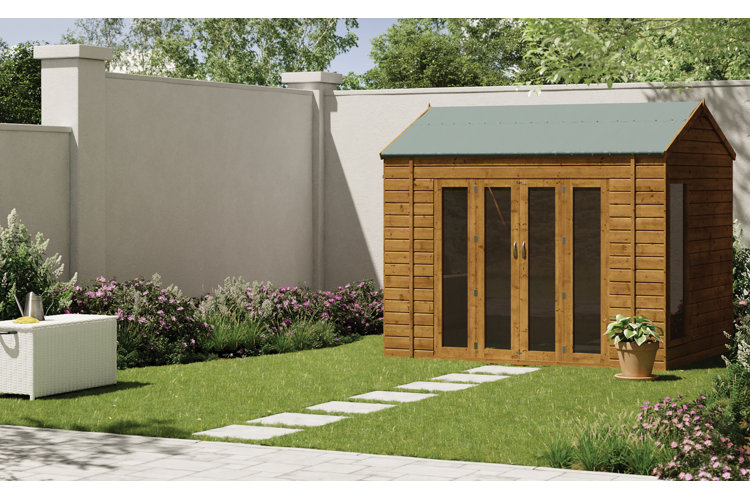
Looking for ways to upgrade your outdoor space? Look no further than paving stones. But what are pavers? Our guide goes over all that and more! Keep reading to learn all about this versatile backyard landscaping feature.
What Are Pavers?
Pavers vs. Alternative Materials
Benefits of Using Pavers in Your Outdoor Space
How to Choose Pavers
What Are Pavers?
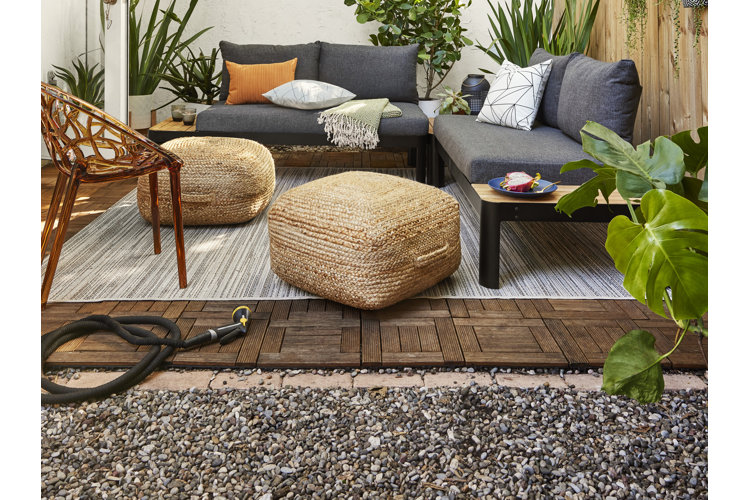
Pavers, also called paving stones, are outdoor flooring materials that can take the form of slabs, blocks, or gravel. The above patio features a base of deck tiles lined with cobblestones and surrounded by gravel paving stones. Pavers can be comprised of either natural or human-made materials. Read our guide to learn more about different Types of Pavers.
Ultimately, paving stones help polish outdoor spaces by creating interest and visual separation between the patio area, garden, and green spaces. Not to mention, pavers keep your outdoor living space dry and free from mud so you can maximize your enjoyment of the outdoors.
What Are Pavers Made of?
Pavers are made of natural stone like sandstone, travertine, and marble, which come in the form of either stone slabs or gravel. However, they can also be made out of composite materials like rubber. Review What Is Travertine? and Travertine vs. Marble: Which Material Is Better? to learn more about these paver materials.
What Are Pavers Used for?
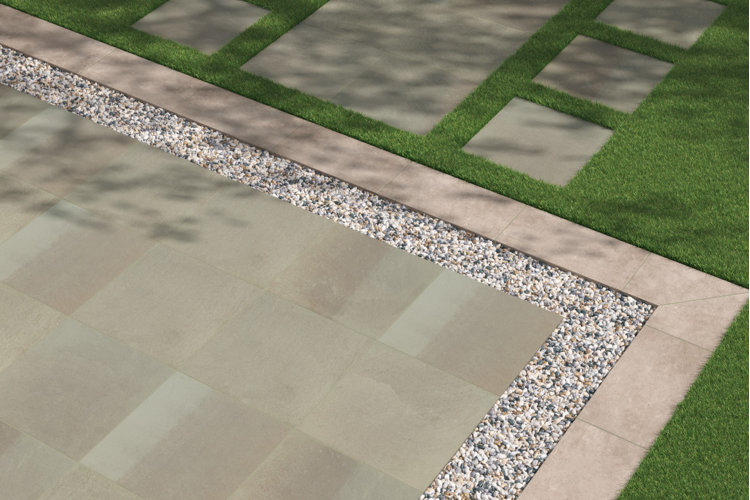
Homeowners use paving stones to create patio floors, landscape borders, walking paths, pool perimeters, and even driveways without extensive installation requirements. Above, the patio is made of square paving stones surrounded by a border of gravel and pool copings. More paving stones create a walkway from the patio through the grass lawn for a well-manicured space!
Pavers vs. Alternative Materials
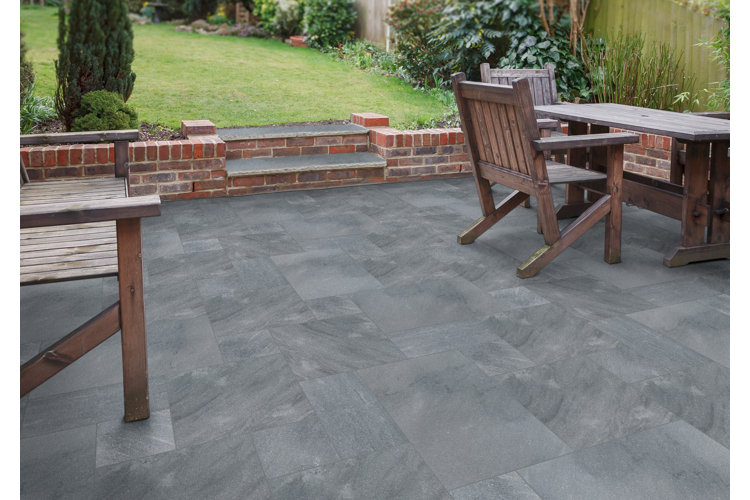
Here's an overview to help you distinguish between pavers and other common materials for patios, walkways, and landscaping.
Pavers vs. Concrete
When comparing pavers and concrete as foundations for patios and walkways, it all comes down to preference. Pouring a concrete slab requires more time and sometimes professional assistance to ensure that the concrete is laid correctly and cures properly. In contrast, all you need to do to install pavers is clear the spot of grass and debris and either directly place them on the ground or add a layer of sand or gravel for added support. Pavers are also commonly made of natural stone which is stronger and more dense compared to concrete. This means they're less likely to crack over time.
Pavers vs. Cobblestones
Cobblestones are small stones or bricks laid together that may or may not match in size. Pavers typically include equal-sized slabs of natural stone or composite materials – or in some cases, gravel/pebbles that can be spread across the ground. Cobblestones are typically pressed into slabs of freshly poured concrete and wedged together to create a walkable surface. On the other hand, pavers can be placed directly onto dirt, sand, or a base layer of gravel with no need for concrete. The weight of natural stone slabs reduces the potential for movement, while composite pavers have interlocking designs to hold them in place. Also, pavers are larger in surface area, meaning you can cover more space with less stones than you would with cobblestones.
Pavers vs. Outdoor Tiles
Both pavers and outdoor tiles can be made out of stone, marble, and other materials. However, outdoor tiles are thinner and less durable compared to pavers. The main difference between these two outdoor flooring materials is how you install them. Outdoor tiles typically require a concrete slab or a level, hard surface as a base, while pavers can go right on the grass or dirt. Outdoor tiles also need a layer of grout/mortar between the tile and base level and in between tiles. In contrast, pavers don't necessarily need an adhesive unless used for a driveway/pool deck. This is especially true for gravel or interlocking paving stone designs. Although paving stones aren't as permanent as outdoor tiles, they're so much easier to install or adjust as the years go by!
Now that we've answered "what are pavers?", let's discuss the benefits of adding them to your outdoor space.
- Makes for quick and easy installation: The installation process for paving stones is super easy and beginner-friendly. To start, you want to clear the desired area of grass or obstructions. Then, you can either lay the pavers directly on the dirt or place a layer of gravel or sand beneath and around each stone to help secure the pavers in place. For gravel/pebble pavers, start with a dirt layer. Place landscaping fabric on top of the dirt. Then dump gravel pavers onto the fabric and use a rake to help spread the gravel and cover the fabric layer.
- Adds aesthetic appeal to your yard: Paving stones and gravel help create a polished look in your outdoor space by defining patios, walkways, and garden borders.
Comes in a variety of style options: Pavers come in a variety of natural stone and composite materials in different shapes and colors so you can find the best option to complement your outdoor area. - Helps make your outdoor space more accessible: Pavers make it possible to access and enjoy different parts of your yard by creating a dry, mud-free surface for patios and walkways.
- Requires less maintenance than alternatives: When compared to materials like concrete, asphalt, and wood, pavers are extremely low maintenance and cost-effective. While concrete, asphalt, and wood surfaces require resealing every few years, pavers don't! This is because they are typically natural stone, which is stronger and more dense compared to other alternatives. Similarly, composite pavers typically have water- or fade-proof properties and are flexible enough to absorb weight without cracking.
How to Choose Pavers
With so many types of backyard pavers and potential uses, it's important to choose the right one. Below, we go over how to choose pavers for your outdoor space so you can make the most of your yard.
1. Determine the Use of the Outdoor Space
The first step in choosing pavers is to assess what you want to use the space for. Is it a patio lounge or dining space? If you plan to create a patio with pavers, we recommend large-scale rectangular paver stones to create a seamless patio floor. Is it a walkway from your backdoor to your garden shed? Place stepping stones in the grass, or eliminate the grass altogether with a gravel pathway. Is it alongside a hot tub or pool space that's frequently wet? We recommend sandstone pavers and pool copings, as they're naturally anti-slip.
Now that you have a better idea of how you want to use your space, consider your paver options. Square or rectangular paver stones help to create a clean, modern feel when used for patios or walkways. Random-shaped paver stones have a more natural feel that's perfect for stepping-stone paths or rustic-inspired outdoor spaces. Gravel pavers add a cool textured look – especially around fire pits or garden beds. Check out Types of Pavers to Build Your Outdoor Space to learn more about paver types and material options to choose from!
Pavers look and function the best when paired together! Take this gravel paver and paving stone duo for example. The paving stones provide a comfortable walking surface to the outdoor shower, while the gravel helps to drain the water away! You can also combine different paver shapes or colors to add to the beauty and aesthetic appeal of your outdoor space.
Tip!
Now that you know what pavers are, we recommend checking out this guide on Types of Patio Materials for a Lovely Landscape. It goes over additional material options for patios and other outdoor surfaces.
You Might Also Like
So, what is a paver? It's the key to a new-and-improved outdoor space!
