How to Choose the Best Carpet Tiles for Your Room
Picking the right carpet has never been easier.
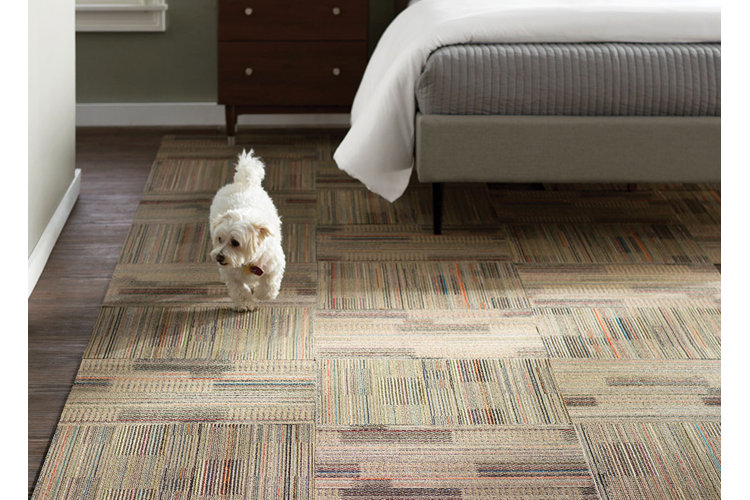
Interested in upgrading your flooring? This easy to install alternative to carpet could be exactly what you’re looking for. We’ll walk you through the many benefits, including special features and unique styles, so that you can pick the best carpet tiles for your home.
What Is Carpet Tile?
What Are the Benefits of Carpet Tile?
Before You Buy
What Is Carpet Tile?
Carpet tiles, also called carpet squares, are the modern alternative to traditional carpet. Rather than one long roll of carpet, you can purchase these individual, smaller tiles of carpet. Why is one better than the other? Read on to see the many benefits to choosing carpet tiles.
What Are the Benefits of Carpet Tile?
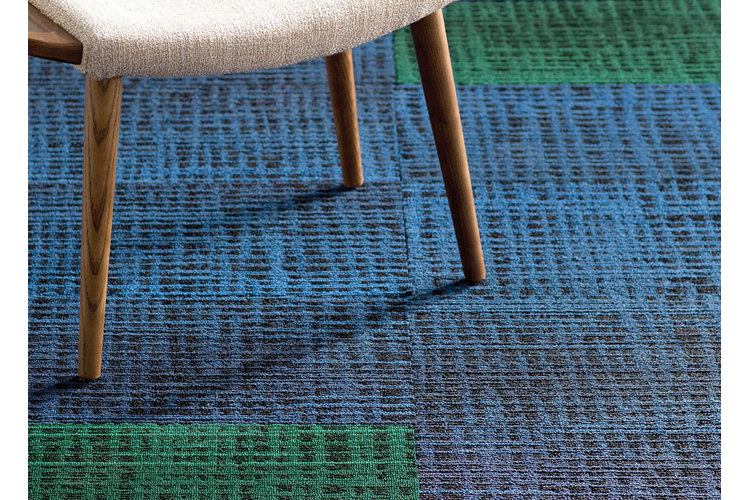
The best carpet tiles carry the following benefits:
Easy to Install
Carpet tiles are DIY-friendly! You don’t need a professional to install carpet tiles (like you might with rolling carpet) and you can complete the job in only a few hours. Carpet tile is easy to cut, making them great for odd-shaped rooms or filling an awkward flooring space.
Easy to Replace
If a piece of the carpet is stained or worn, simply pick up the square and replace it with a new tile.
Perfect to Personalize
You can create a custom look that is specially designed for your space! Mix and match different patterned carpet tiles, or arrange them in a unique formation.
Before You Buy
There are a few important things to consider before you can choose the best carpet tiles for your home:
Location
Depending on which room you’re installing your carpet tiles in, there are certain features you should look for. Follow the suggestions below to ensure you’re choosing the best carpet tiles for each location.
Indoor (Dry): These tiles have no protection or resistance to water damage. Indoor dry carpet tiles are great for bedrooms, living rooms, playrooms, and dining rooms. If you have family members who are sensitive to allergens, opt for hypoallergenic carpet tiles instead.
Indoor (Damp): Use indoor damp carpet tiles in rooms where you can expect moisture or humidity to develop – this will help protect against mildew. These carpet tiles are best for basements, sunrooms, and even home gyms!
Outdoor: Use these tiles if you want carpet on your patio. This will prevent any buildup of water or mildew.
High-Traffic: Have a high-traffic area in your home? You'll get longer use of your carpet tile if you choose one with a density rating above 3,000. The higher the density, the more durable it is. Check out the carpet density rating for your carpet tile when viewing the weights and dimensions tab.
Kids/Pets: Looking to add carpet tile to a room that will get most of its attention from young children or pets? Protect your floors by choosing stain-resistant carpet tile!
Tip!
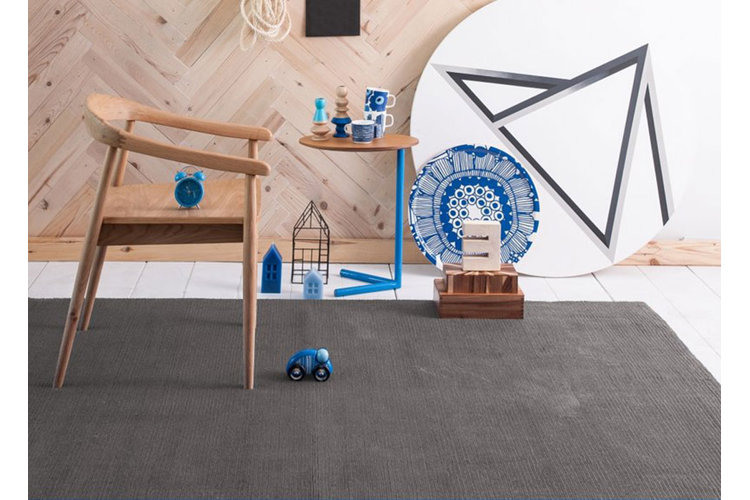
Use carpet tiles in the place of an area rug – it’s a creative way to customize your space.
Size
How big are carpet tiles? The following are common individual carpet tile measurements that you can choose from:
Installation Type
Choose the right installation method for you with the help of the descriptions below:
Peel & Stick: This carpet tile comes with adhesive already attached to the backing of the product.
Adhesive Tabs: Adhesive tabs either come with the carpet tile or need to be purchased separately. The tab sticks to the floor while the corners of four tiles meet at the center to be stuck together.
Interlocking: This is a super easy way to install your carpet tile. Like a puzzle, interlocking pieces connect together to make a "floating floor." They do not require additional adhesive.
Loose-Lay: Like interlocking-style tiles, loose-lay carpet tiles don’t need a special adhesive. You simply lie the carpet tiles across your subfloor. This is a great choice if you need carpet for a specific event or only for a short period of time. However, these tiles are harder to clean and vacuum as they are not bound to the floor.
Glue-Down: This method is a little trickier than other DIY options, requiring you to apply carpet adhesive glue to the subfloor. Due to its secureness, these carpet tiles are not easy to replace. Be careful during application – any globs or imperfections during gluing may show through the carpet.
For installation hacks, check out our guide on How to Install Carpet Tiles.
Style
As we mentioned before, carpet tiles give you the freedom to explore your own style in a way traditional flooring can’t.
Color: There are a plethora of colors to choose from. You can opt for a neutral color like beige for a more muted look that directs attention to the furnishings in the room. Or perhaps you’re looking to highlight the room’s features with a fun pop of color like teal! Many colored carpet tiles also flaunt multicolored flecks for a dynamic look.
Pattern: You can select from a variety of looks. Carpet tile patterns include solid colors, stripes, geometric designs, and more. Patterns are a great way to add dimension to a room looking for some added fun.
Pile: Both pile height and pile type influence the style and durability of the best carpet tiles. Pile height describes how thick and fluffy the carpet is. You can select any height level from flat (0" high) to thick (more than 1" high). Pile type is the shape of the yarn used to make up each carpet tile, affecting the look from afar. Both loop pile and cut pile are popular pile types to choose from.
Are you ready to choose your home’s carpet tile? Go crazy!
