Baby Crib Buying Guide
Find the best baby crib type for your space and lifestyle.
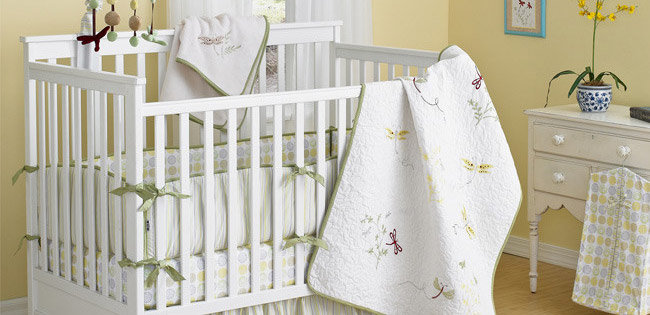
A baby crib is the most important and useful piece of furniture in your nursery. Your baby will hopefully be spending a lot of time sleeping, snuggled up in his or her crib. Today's cribs come in several styles and offer a variety of functions, so it's important that you chose a crib that's just right for your little one. Use this guide to learn about the different crib types available and decide what the best fit is for your space and lifestyle.
Things to Consider When Buying a Baby Crib:
- Safety
- Style and Type
- Material
- Price
Safety
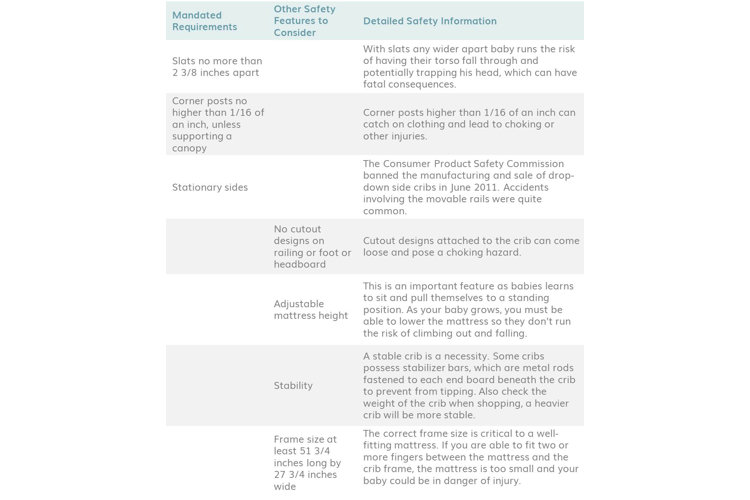
Your baby's crib will be used until your child is about 2 years old, so it's important to choose a model that meets all safety regulations. Cribs should always be assembled according to the included assembly instructions. Follow all directions and make sure that all screws, fittings, and bolts are secure and have been double checked.
Cribs are the only beds that must meet mandatory federal safety standards. When shopping, look for a crib that has passed Consumer Product & Safety Commission (CPSC) standards. You can find more information on these standards here. The Juvenile Products Manufacturing Association (JPMA) certification is another standard to look for when shopping. This certification ensures that the crib has been tested for quality and safety.
Once your baby begins using his or her crib make sure to frequently inspect the crib for missing or loose hardware and tighten as necessary.
Style and Type
Cribs and nursery sets, similar to most furniture are available in a range of design styles, from traditional to modern, ornate to country casual, and many more. You are sure to find a style of crib that matches your aesthetic. Cribs are also available in a range of colours. The most common colours are wood stain (light and dark), black, white, and grey.
There are five primary types of cribs available on the market. To learn more about each type read on.
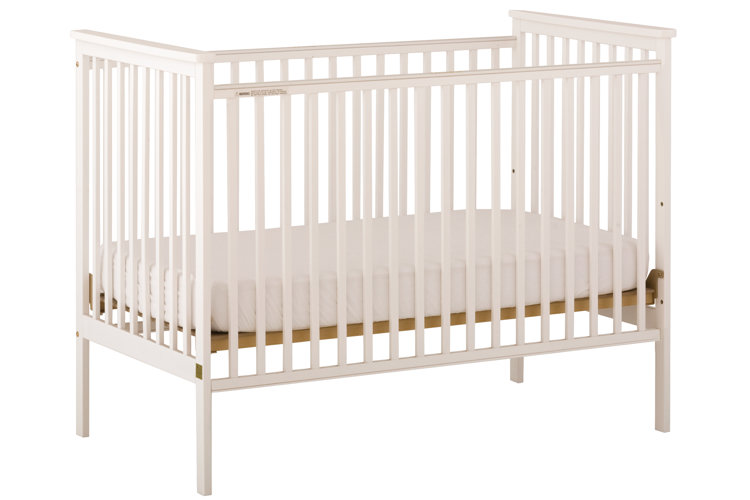
Standard Baby Cribs do not convert into anything besides a baby bed. Standard cribs are a good option for a growing family as they can be used from one child to the next. They are designed to be durable, sturdy, and safe. All standard cribs on the market now have fixed-sides that do not move, as drop-side styles became illegal due to safety reasons in 2011. The assembly process for standard cribs tends to be easier than other cribs and they are generally less expensive due to their simple construction and design. Standard cribs come in variety of styles, shapes, and colours so you have a lot to choose from!
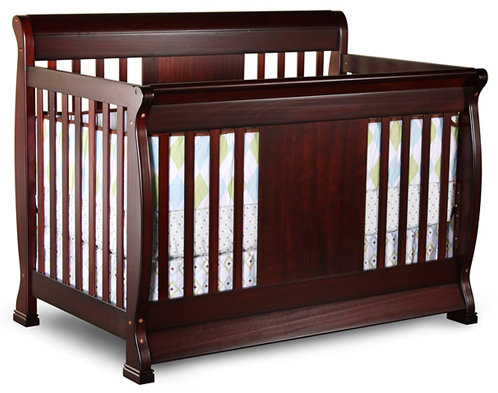
Convertible Cribs are a great transitional piece of furniture. When your baby outgrows his crib these styles can convert into a toddler bed and eventually a big kid size bed. To convert the crib into a toddler bed, replace the crib's front rail with a toddler guard rail. When your child is older, remove the rail and reconfigure into a daybed. Several of these cribs can even convert into a full size bed with the use of separately purchased full size conversion kit. Convertible cribs are often more pricey than other crib options, but remember you're getting one bed that converts into four and grows with your child over time.
Mini and Portable Cribs can be setup in your nursery and used as a regular baby bed, then folded down to be moved or taken on the go, so your baby is sure to be comfortable. Mini and portable cribs are ideal for people with smaller homes and families who love to travel. While mini cribs are smaller than standard cribs, they are just as safe and stylish making them a great choice for smaller nurseries. Some mini cribs can convert into toddler and twin beds down the road.
Crib and Changing Table Combos include a baby crib with an attached changing table giving you the two most essential nursery furniture pieces in one. This space-saving style is a great option for small rooms, but can be used anywhere. Having the crib and changing table together makes for easy changing in the morning or the middle of the night. The majority of these combo pieces can also separate in later years. The crib converts into a youth bed while the changing table can be put to use as a nightstand.
Material
Wood is the most common choice for baby cribs today. It provides durability and stability and will match with other furniture choices in your home. Hardwoods like birch, beech, mahogany, and oak will resist most nicks and scratches and hold up over time. Softer woods like pine will show more wear and tear. The higher quality woods will cost a bit more, but are worth it in the long run.
Other materials found in baby cribs are metal and plastic. Plastic is typical for travel cribs and play yards.
Price
If you are looking for the most economical crib option, consider a convertible style crib. These cribs transform into a toddler bed and then later a full-size bed, providing a bed solution for your child as they mature. These cribs often require that you purchase extra components to make the transitions, however the cost is often much less than buying a new bed.
Tip!
Selecting your baby's mattress is just as important as the crib they will be sleeping in. To learn more about which mattress type and size is right for you read our Baby Crib Mattress Buying Guide.
