Furniture 101: Your Guide to Leather Types for Furniture
The complete leather lowdown.
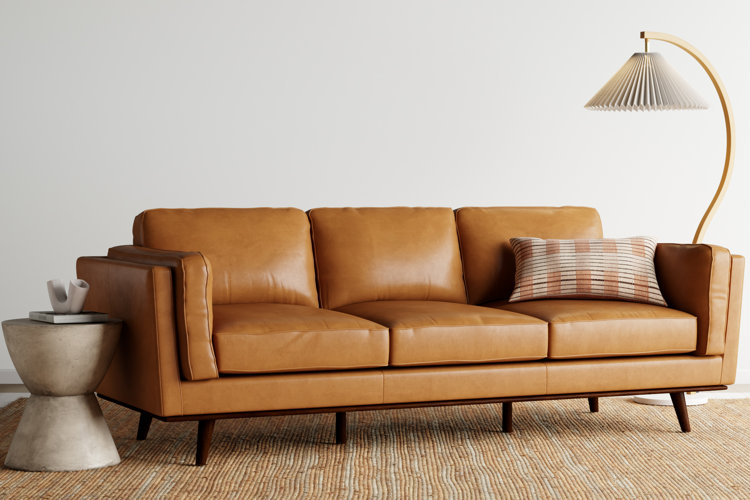
Leather has a luxurious look, making it a popular material option for furniture. Curious to learn more about the different types of leather? Keep reading for everything you need to know so you can pick the right pieces for your home.
Leather Types
Grades of Leather
Leather-Finishes & Textures
Leather Types
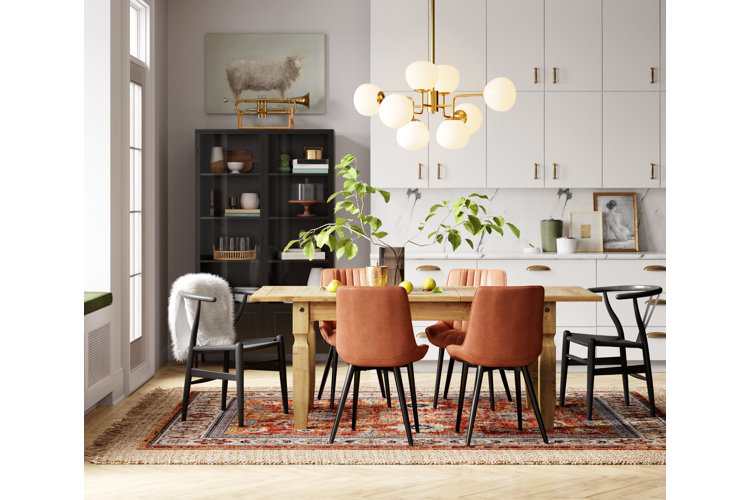
Leather is a great choice for furniture because it’s easy to care for and makes any space feel luxurious. One of the characteristics of leather that makes it so popular is the fact that it is versatile and durable. Genuine leather sits on the higher end of the price point but makes up for it in the years of use you can get out of it. Luckily, there are also some great alternatives if you want the look and feel of leather at a lower price point. Check out these different types of leather:
Genuine Leather
Genuine leather is made from leftover hide layers to produce suede, top-grain, and full-grain leather, leather grades we’ll explore more below. It is by far the most durable material when compared to other leather types because of its quality construction, unmatched appearance, and long-lasting features. No two hides are the same, making any leather sofa, accent chair, or ottoman you purchase a unique addition to your home.
Faux Leather
If you love the look of leather but are looking for something artificial, opt for faux leather. Faux or imitation leathers are made from chemically-treated fabrics or blending scraps of genuine leather into a synthetic medium. This type of leather is nonporous, which makes it easy to clean. It is budget-friendly, and can still add a luxurious look and feel to your home.
Tip!
Looking for a full breakdown? Browse our guide What Is Faux Leather? for more information.
Leather Match
If you want the look of real leather without the price tag, consider leather-match furniture. This type of leather consists of genuine leather on the front of your furniture and faux leather on the back and sides. The result? All the quality seating you could ask for in the areas that count – without breaking the bank!
Tip!
Curious to learn more? Check out our What Is Leather Match? guide.
Leather comes in a variety of finishes and grades depending on which layers of the animal’s hide get used. The grade of leather affects the appearance, feel, and durability of the material.
Full Grain
Full-grain leather includes the outermost and second outermost layers of leather. They come together to create a durable and breathable material. Full-grain leather is great for furniture because it is known for its longevity, and it has the ability to limit how much moisture the leather absorbs.
Top-Grain
Similar to full-grain, top-grain leather includes the outermost layer of the cowhide, making it soft and durable. Unlike full-grain, top-grain does not have the second layer of split leather, which makes it more budget-friendly. It’s often sanded and protected with a finish, making it easier to clean and less prone to staining. Top-grain is a great option for sofas, sectionals, accent chairs, and other furniture staples in the home that are exposed to frequent drink spills.
Split Grain
Split-grain leather is made by splitting the top layers of the hide from the lower layers. The top layers are used to create top-grain or full-grain leather, while the bottom layers are used to make split-grain leather. Because split-grain leather comes from the hide’s interior, it has a fuzzy, suede-like texture. Though it may lack the natural grain pattern seen on the top layer, split-grain leather often has a more uniform look.
Suede
Suede falls under the category of “split-grain” leather. Unlike full- and top-grain grades, which are made of the smooth top-most layers of animal hide, split-grain leathers like suede come from the two innermost layers. This is where the natural leather grain meets the loose, fibrous corium layer that gives suede its fuzzy, velvet-like appearance. This makes suede leather an extremely soft and comfortable option for sofas and accent chairs.
Tip!
Browse our guide on Suede vs. Leather: What's the Difference? for a full breakdown.
Leather Finishes & Textures
The finish and texture of leather upholstery can impact its durability, feel, and maintenance.
Aniline: Aniline leather is dyed with soluble dyes that don't change how the leather feels. This type of dye colors the leather without covering any natural markings or texture, which can also make it more prone to scratches or staining.
Semi-Aniline: Semi-aniline leather is colored with a layer of dye and then sealed with a thin layer of protective coating for extra durability.
Pigmented: The most durable, fade-resistant, and low-maintenance, pigmented leather is drum-dyed and coated to create one uniform color. The finish is smooth to the touch and easy to care for.
Nubuck: This leather finish is achieved by slightly sanding or buffing the surface of leather to create a soft, velvety texture.
Pull-Up: Pull-up leather has a unique appearance that feels aged and patinated. This effect is created by using waxes and oils during the tanning process and then stretching or sanding the leather to "pull up" the lighter colors from below the surface.
Unfinished: Unfinished leather often has an aniline dye but no coating to give it a natural feel.
Embossed: Embossed leather is stamped with engraved metal plates to add a decorative pattern or mimic the texture of other leathers, such as croc or ostrich.
Tip!
Ready to add luxurious leather to your abode? Here are The 10 Best Leather Sofas to Class Up Your Living Room.
