Area Rug Buying Guide: How to Choose a Rug That Meets All of Your Criteria
Find the best option for your space.
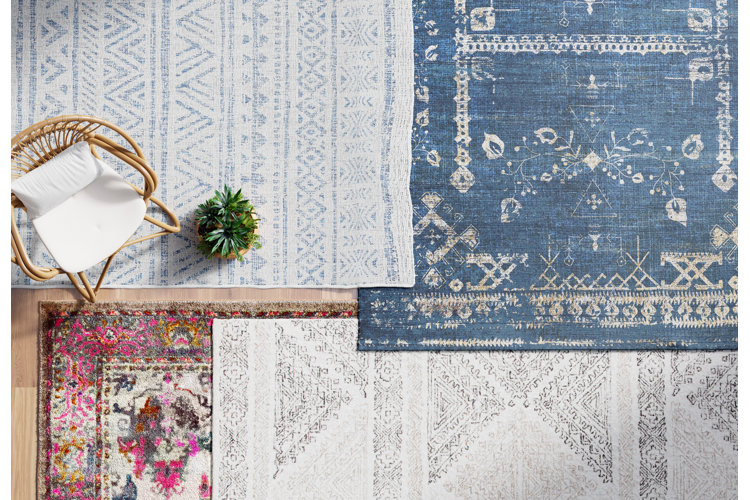
From room size to rug placement, material to maintenance, rug color to personal style, there are so many factors that go into choosing the perfect rug! With so much to consider when shopping for a new rug, we've created a step-by-step guide to help with your search. Keep reading to determine how to choose a rug that will fit seamlessly into your home.
1. Establish Your Budget
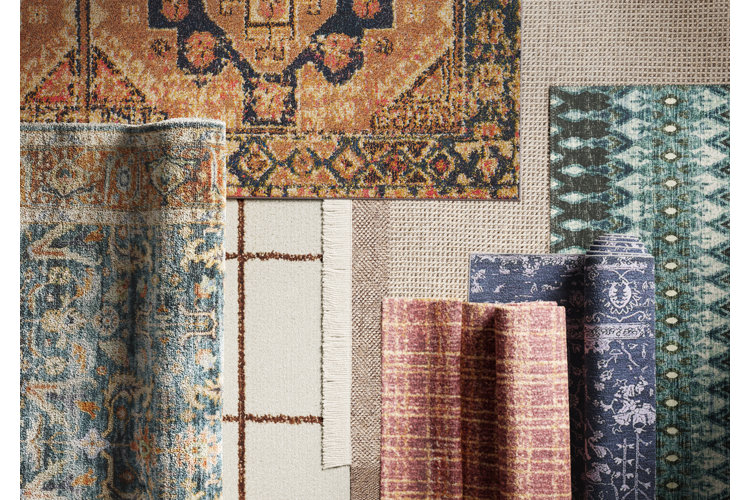
The first step in choosing a rug is setting your budget. Understanding what impacts a rug's price range can help you determine the types of rug designs and materials that are within your price range. It's important to note that the same size area rug can differ in price depending on rug thickness, material, and design features.
- Material: Rugs made from high-quality natural fibers like wool generally cost more than synthetic materials such as polypropylene even if the finished rugs look similar.
- Construction: Rugs made with more labor-intensive production methods like hand-looming or hand-knotting take longer to craft and have a higher price tag, whereas machine-loomed rugs are faster to produce and come at a more affordable cost.
- Size: Larger rug sizes typically cost more than smaller sizes since they often require more material, labor, and complexity to create.
Tip!
Review What Determines the Price of Rugs? to learn more about which factors influence the price range of rugs, and check out The Best Affordable Rugs for Every Style & Budget to explore top-rated styles under $200.
2. Choose the Right Rug Size & Shape
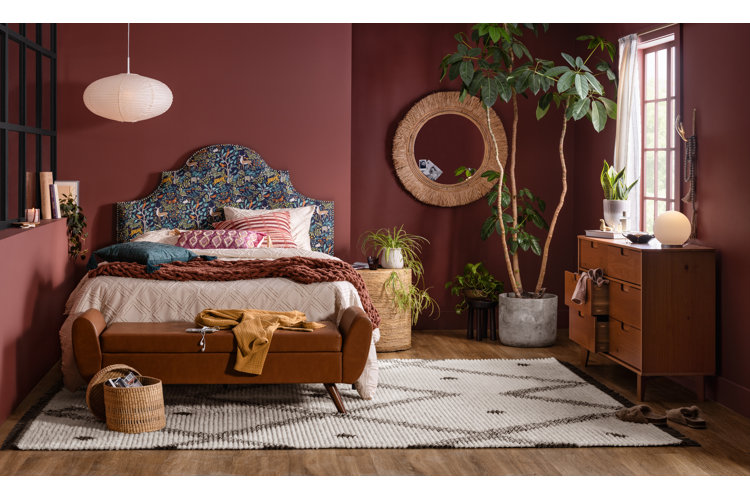
With a better sense of your budget, let's discuss rug size and shape options. Below, we go over how to know which rug size and shape suits for your room size and furniture layout.
Rug Sizes
A good rule of thumb when trying to decide on the best rug size is to make sure that there is at least 1' of space between the ends of the rug and surrounding walls. This keeps the rug from overwhelming the space. For example, if you have a 12' x 12' room, you might find that an 8' x 10' or 10' x 10' works the best. However, you can always size up if you want to completely cover up rental floors or carpets with stains.
Here is an overview of common rug sizes and where they work the best in your home:
Small
- 2' x 3': 2' x 3' area rugs are similar in size to doormats or bath mats, but they come in even more stunning colors and design options. Position these rugs in front of doorways or beneath a kitchen or bathroom sink for the best results.
- 3' x 5': 3' x 5' area rugs work best in small entryways or 4' x 6' walk-in closets. You can also use them to frame coffee tables or writing desks.
Medium
- 4' x 6': You can use 4' x 6' rugs to decorate small breakfast nooks, dining spaces, home offices, or living rooms where you only want the front legs of the sofa and other furnishings to rest on the rug. They can also be used to frame the bottom third of a queen-size bed (5' x 6').
- 5' x 8': 5' x 8' area rugs are perfect for framing a twin-size bed (3' x 6') or filling out rooms that are at least 6' x 9' in size.
- 6' x 9': 6' x 9' area rug sizes can go in medium-sized living rooms and work well when placed in the center of the room with the front edges of the sofa and other furnishings resting on the edge of the rug. They can also be used to frame four-person dining sets and beneath queen-size beds (5' x 6'). Need a slightly larger rug? There are also 7' x 9' area rugs available!
- 8' x 10': 8' x 10' rugs are suitable for rooms that are at least 10' x 12' in size. In living rooms, you can use an 8' x 10' rug to cover the majority of the floor, including the bottom thirds of sofas and other furniture (so just the back legs aren't on the rug). In dining rooms, they can frame up to a six-person dining set. In bedrooms, an 8' x 10' rug can frame an entire queen-size bed and bedside nightstands.
Large
- 9' x 12': 9' x 12' rugs are ideal for rooms that are at least 10' x 14' in size. In a living room, a 9' x 12' rug should be large enough to frame entire conversation sets (sofas, coffee tables, and accent chairs). In dining rooms, a 9' x 12' rug can frame up to an eight-person dining set. They work the best in large bedrooms with king-size beds (6' x 6') and can frame a king-size bed and bedside nightstands with room to spare.
- 10' x 14': 10' x 14' area rugs fit in rooms that are 12' x 15' or larger. This rug size is perfect for framing spacious family rooms with large sectionals. They can also frame 10-person dining sets in dining rooms approximately 14' x 16' or larger. In bedrooms, 10' x 14' rugs can frame a king-size bed with bedside nightstands, while there is still a few feet of rug space on either side to show off its beautiful design.
- 12' x 15': 12' x 15' rugs are for 14' x 16' rooms or larger. These include extra-spacious family rooms, large primary bedrooms with king-size beds, or dining rooms with 12-person dining sets.
Tip!
Review our guide on How to Choose the Right Rug Sizes for tips on how to measure rug sizes and how to determine if a rug will fit in your space.
Rug Shapes
Once you know how to choose a rug size that fits seamlessly into your space, start thinking about the shape that you want. Below, we go over each shape option, common available sizes, and where they work the best in your home.
- Square: Square rugs range in size from 4' x 4' to 12' x 12' and are suitable for square-shaped rooms like small living areas, breakfast nooks, or home offices. They also help balance square dining tables.
- Rectangle: Rectangular area rugs are the most common rug shape and come in a wide variety of sizes – from 2' x 3' to 12' x 15' or larger. They work well in rectangular-shaped rooms or spaces where you want to frame multiple pieces of furniture or a bed.
- Runner: Runner rugs are ideal for narrow entryways, hallways, and the narrow floor space between a set of kitchen cabinets and a kitchen island. They can also be used to line the side(s) of a bed in place of a large area rug. Runner rugs range in size, but are usually between 2' – 3' wide and 6' – 12' long. Review How to Choose the Right Runner Rug Sizes to find sizing tips.
- Oval: Oval-shaped rugs are available in the same sizes as rectangular area rugs, but they have rounded edges that make rooms feel cozier and more relaxed. Want to make your dining room look seamless? Consider pairing an oval-shaped rug with an oval dining table!
- Round: Round area rugs work well when placed in the center of a spacious entryway and used to frame a round entryway table. They're also perfect for framing round dining tables. They range in size from 4' – 10' in diameter.
- Half Circle: Half-circle rugs are designed to frame doorways, kitchen and bathroom sinks, or small console tables/cabinets. You can also position one by your bedside or at the end of your bed for a stylish look. These rug shapes come in a wide variety of sizes to accommodate different spaces.
- Octagon: Octagon rugs are the ultimate statement for spacious entryways or dining rooms. They also add a cool twist when layered on top of a rectangular area rug in a living room. Sizes typically range from 4' x 4' to 10' x 10'.
- Novelty: Novelty area rugs include abstract-shaped rugs, faux fur rugs, and cowhide rugs. Because of their unique shapes, they may not have exact measurements, but they are sure to make a stylish statement wherever they go!
As you shop for a rug, you'll likely come across several weave options – flatweave, loomed, tufted, hand-knotted, hooked, braided, or hide/pelt. Flatweave rugs are designed to be low-pile (thin), making them suitable for high-traffic spots in your home. Tufted, hand-knotted, hooked, and braided varieties are designed to create a textured look while providing more cushioning underfoot. Loomed weave techniques are created with a power loom machine, making them quick and easy to produce and more affordable. Being machine-made, they're also more durable than handmade options. Hides and pelts vary in thickness depending on the type of animal skin or faux fur used.
Tip!
Learn more about how to choose an area rug based on weave techniques and styles in Types of Rugs to Include in Your Home.
4. Think About Rug Placement
The next step in how to choose a rug is to consider placement. Do you need a durable rug for entryways or hallways? Or do you want to amp up the coziness of a living room or bedroom? In this section, we go over the best options for each room in your home in terms of pile thickness, room traffic, material durability, and room size.
Entryways & Hallways
The perfect rug for an entryway or hallway is either an area rug or runner rug with a low-pile, flatweave construction that's easy to walk on without tripping. It should also be labeled as being suitable for high-traffic areas and should be able to withstand frequent foot traffic. You may also want a rug that's easy to clean, as it's likely to come in contact with mud, dirt, or pollen on a regular basis. Consider durable, easy-to-clean materials like wool, cotton, or synthetic options like polypropylene to get started. Look over The Best Rugs for Your Entryway to learn more about suitable entryway rugs.
Living Rooms
Living rooms should make you want to gather, relax, and unwind, and a living room rug should do just that! Opt for thicker-pile rugs with tufted or hand-knotted weaves to add cozy texture to the room. We also recommend choosing a stain-resistant fabric like polypropylene or nylon so you can enjoy drinks and snacks in your living room without worry. Review How to Place a Rug in a Living Room for living room rug placement tips on styling a rug and choosing the right size to pair with your living room furniture.
Kitchens
Kitchen rugs should either be smaller (like 2' x 3' or 3' x 5') to frame the sink area, or they should be runner rugs to fill out the length of the floor between a set of cabinets and a central kitchen island. Look for rugs with nonslip backings that are water- and stain-resistant for the best results. You might also want a machine-washable option to make it easier to clean up inevitable food and drink spills. No matter what rug you go with, ensure it has a low-pile, flatweave construction to limit tripping while you move through the kitchen. Review the Best Kitchen Rugs: Choose the Perfect Rug for Your Kitchen to learn about the best materials, sizes, and feature options.
Dining Rooms
Dining rooms can benefit from flatweave or power-loomed rugs with a low-pile, because they're thin enough that you can easily move and adjust dining chairs on top of them. Like kitchen rugs, we recommend choosing a dining room rug that's stain-resistant and/or machine-washable for easy, stress-free cleanup. As for the best materials for area rugs in a dining room, you can't go wrong with durable wool or synthetic options like nylon or polypropylene. You can even benefit from using an indoor/outdoor option to ensure the rug is stain-, water-, and fade-resistant.
Bedrooms
Because bedrooms are meant to be cozy and low-traffic, you can play around more with different rug weave techniques and pile height. Consider cozy rugs with a thicker pile height (like shag or high-low configurations) and tufted, hand-knotted, or hooked weaves. Opt for silk or its synthetic alternative, viscose, for a silky smooth feel underfoot. Or amp up the plushness with cotton, microfiber, or faux fur rugs. Review What Size Rug for Queen Bed Is Best? or What Size Rug Do You Need Under a King Bed? for bedroom rug placement tips and layout options.
Bathrooms
If you're looking to elevate the style of your bathroom floors, we highly recommend going with a water-resistant, machine-washable rug with a nonslip backing. Outdoor rugs are also smart alternatives to guarantee mold- and mildew-resistance.
Home Offices
In home offices, you need a flatweave or low-pile, power-loomed rug to accommodate a rolling office chair.
Playrooms & Kids' Spaces
The best rugs for playrooms or kids' bedrooms are stain-resistant, machine-washable rugs. This way, you're ready to conquer accidents or spills. Reversible rugs are another great option for hiding unruly stains or marks. Review How to Choose a Nursery Room Rug: Tips for Finding the Best Fit and Style to get an in-depth look at the best rug materials and sizes for kids' spaces.
Outdoor Spaces
You can instantly add style and comfort to patios, decks, and balconies with outdoor-suitable rugs. These types of rugs are designed to be fade-, water-, and weather-resistant and are typically made of durable synthetic materials to stand up to outdoor conditions. Check out our guides on How to Choose the Best Outdoor Patio Rugs and How to Choose the Best Outdoor Rug Sizes so you can select the perfect outdoor rug for your space.
The material you go with is also important. The right rug material should match your needs in terms of budget, durability, softness, and appearance. When choosing a rug material, you can either go with synthetic or natural fibers. Here is an overview of each type of rug material.
Synthetic Fiber Rugs
Synthetic fiber rugs include materials like polyester, microfiber, polypropylene, and viscose. These materials are made from a combination of plastics, resins, and/or plant fibers (like wood pulp). Because these materials are readily available and easy to manufacture, synthetic rugs are typically more affordable than natural fiber rugs. Depending on the material, they may also be more durable, stain-resistant, water-resistant, or machine-washable.
Natural Fiber Rugs
Natural fiber rugs include materials like wool, cotton, jute, sisal, or silk. Materials like jute and wool are ultra-durable and suitable for high traffic areas in your home.
Tip!
Review How to Choose the Best Rug Material or What Are Natural Fiber Rugs & Which Do I Pick? to learn more about the different rug materials.
6. Consider Cleaning & Care Needs
As you shop for a rug, you should also think about the level of cleaning and care you're willing to provide. Ask yourself, how important is it that your rug is stain-resistant, machine-washable, or both? If the rug will go in a high traffic area or a space like a dining room where spills are frequent, you may want to consider these sorts of rug features. There are even reversible rugs you can flip over to hide stains or imperfections! Low-pile, machine-washable area rugs will likely be easier to clean compared to thick-pile or shag rugs. Check out How to Care for Your Washable Rugs or Cleaning 101: How to Clean a Shag Rug to compare the cleaning needs for these rugs.
Tip!
Our guide on Cleaning 101: How to Clean an Area Rug goes over how to clean area rugs based on their material.
7. Choose the Perfect Color & Style for Your Space
Now for the fun part of how to choose a rug – picking out a color, pattern, and style that you love!
Color
From warm reds, oranges, yellows, and pinks to cool blues, navys, greens, teals, and purples, there are so many stunning shades to choose from when shopping for a rug. You can also opt for neutral cream, white, gray, black, or brown/tan rug colors to help ground your space. If you're trying to decide how to choose a rug color for a particular room, consider drawing inspiration from the room's current color scheme. Incorporating rug colors of similar shades to your walls, furnishings, or decorative accents will make the rug a seamless addition!
Pattern
Area rugs also come in a wide variety of patterns to add style and interest to your floors. Here are some examples to get started.
For Fresh Updates:
For Timeless Charm:
For Statement-Making Style:
Design Style
Take our Design Style Quiz: What's Your Design Style? to determine which rug style matches your interior design aesthetic!
- Modern: Modern area rugs have cool abstract designs or geometric patterns and can be neutral or vibrant in color. Mid-century modern rugs add a retro look to any space with shag-style texture. Ultra-modern rugs provide a futuristic feel with unique shapes and designs.
- Traditional: Traditional-style rugs usually feature vintage-inspired patterns including floral, Oriental, or damask patterns and come in a wide range of colors. These rugs help anchor rooms with timeless charm while adding a cool contrast to more modern interiors.
- Farmhouse: Farmhouse area rugs are all about rustic charm, which is why they usually have striped or plaid patterns. They usually come in cream, beige, or white to contribute to a laid-back vibe. These rugs are also usually made with natural materials like jute or wool for cozy texture.
- Coastal: Coastal area rugs help bring a breezy beachside feel to any space. These include rugs with nautical stripe patterns or coastal motifs (think seashells, fish, or coral), and rugs in relaxing shades of cream, blue, white, or beige.
- Boho: Boho area rugs feature bold patterns like ikat and either saturated colors like teal and magenta or down-to-earth shades of terracotta or sage.
- Glam: Glam rugs add a luxe look to your floors through faux marble or faux fur designs in crisp white, silver, or gold. These rugs can also include animal prints and art deco–inspired patterns.
- Industrial: Industrial rugs seek to amp up the repurposed feel of city apartments, rustic wood floors, or exposed brick walls through faux marble or abstract-patterned rugs in shades of steely gray or blue.
Frequently Asked Questions
How do I choose the right rug size for a living room?
A common rule is to choose a rug large enough so that at least the front legs of all furniture (sofa and chairs) rest on it. For larger rooms, an 8' x 10' or 9' x 12' rug usually works best to anchor the entire seating area.
Which rug material is best for pets?
Polypropylene and nylon are excellent choices for pets because they are durable, stain-resistant, and easy to clean. Low-pile or flatweave wool rugs are also good options as they don't trap pet hair as easily as high-pile rugs.
Should a rug be lighter or darker than the floor?
Generally, you want contrast. If you have dark wood floors, a lighter rug will brighten the space and create definition. If you have light flooring, a darker or colorful rug can add depth and ground the room.a
