Mid-Century Modern Design: Your Guide to This Streamlined Style
Pour yourself a Manhattan before reading any further.
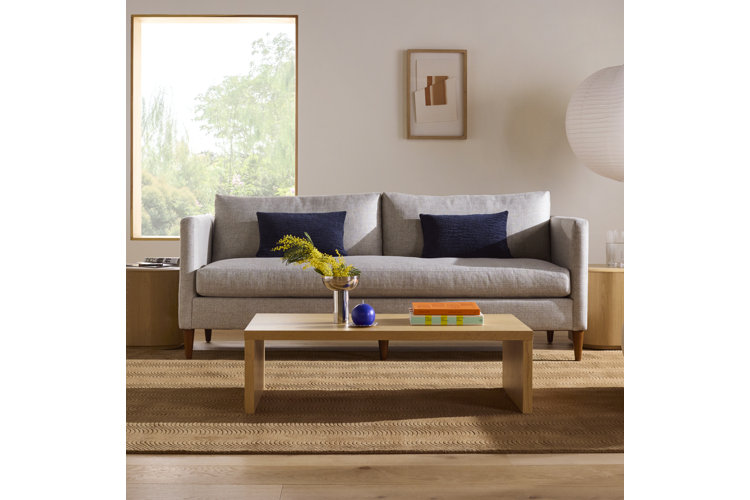
Mid-century modern is an interior design style that emerged from the mid-1940s to late 1960s, characterized by clean lines, organic curves, and functional simplicity. Its timeless appeal and versatile style work in a variety of spaces, making it a popular pick for design enthusiasts and comfort seekers alike.
It remains a popular style today due to the cyclical nature of trends and the mid-century modern’s approachability – both in price and design. The streamlined silhouettes, affordable materials, and space-savvy appeal have made mid-century modern furniture a fixture in new apartments and established, well-curated homes.
Drawn to this design style but not sure where to start? Our guide covers all you need to know, including the style’s most identifiable characteristics and tips for incorporating its ethos into your own home.
In this guide:
What Is Mid-Century Modern & Where Did It Come From?
Key Features of Mid-Century Modern Design
Mid-Century Modern Materials, Colors & Furniture
Mid-Century Modern Decor & Lighting
Frequently Asked Questions
Key Features of Mid-Century Modern Design
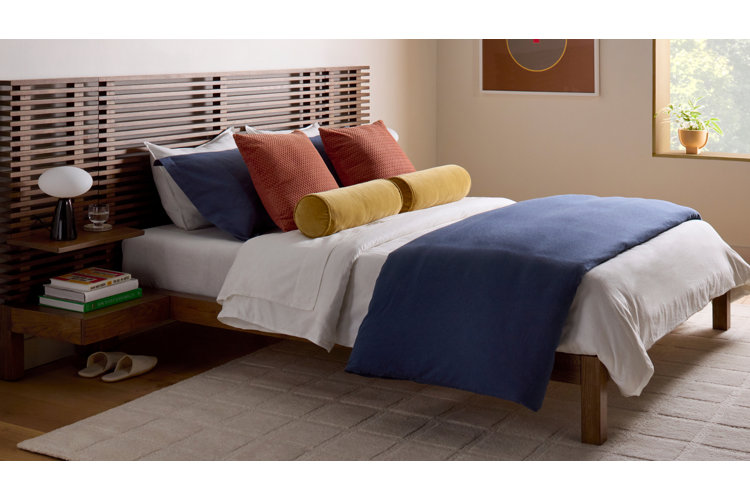
Mid-century modern may bring different iconic pieces to mind, but unifying features can help depict a holistic view of this design style.
- Clean, sleek lines with minimal ornamentation
- Tapered legs on furniture
- Organic and geometric shapes
- Mix of natural materials (wood, leather) and synthetic materials (plastic, acrylic)
- Bold accent colors against neutral backgrounds
- Functional, purposeful design
Mid-Century Modern Materials, Colors & Furniture
Commonly Used Materials
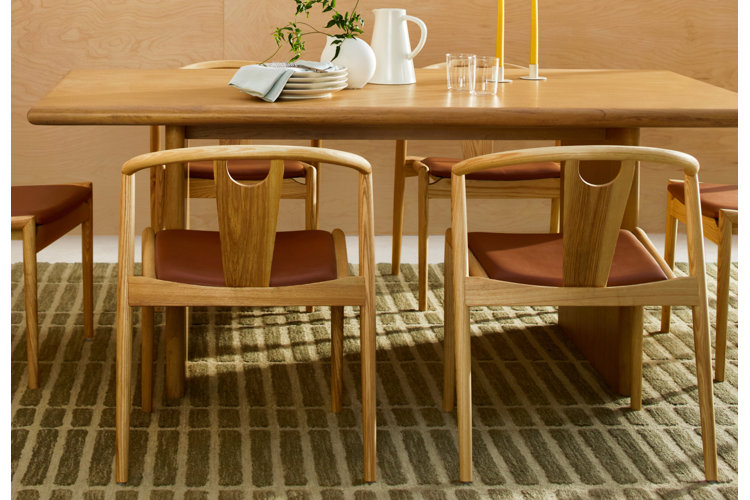
Mid-century modern design has deep roots in both earthy and synthetic materials, such as teak wood, rattan, velvet, plastic, concrete, and metal. These materials focused on unadorned practicality and often included components that used new technology at the time, like molded plywood or plastics, to produce inexpensive yet stylish pieces. Seating often paired durable, low-maintenance upholstery with sleek metal frames or tapered wood legs. Tables featured warm-toned wood, tempered glass, and minimalistic metal hardware.
When designing your mid-century modern space, mix materials to build layers of livable texture. For example, place wall art with warm-toned wood frames next to a lamp with an acrylic base. Layer a wool rug under a plastic dining chair. Place a brass cocktail shaker and bar tool set on top of a glass bar cart.
Soothing Neutrals & Bold Accents
Neutrals are a big part of the mid-century modern decor color palette. White and beige are perfect choices for large pieces of furniture, rugs, and walls. However, pops of color are essential to get the mid-century modern look. Layer decor, such as throw pillows, wall art, and decorative objects in bold colors like oranges, yellows, blues, and greens over neutral pieces.
Furniture Silhouettes & Features
Mid-century modern design favors clean lines and purposeful functionality. Choose modern furniture with sleek, tapered legs and long, simple surfaces. You should be able to tell what a piece of furniture does just by looking at it: unfussy sofas, platform beds, and leggy credenzas. If you opt for upholstered living room furniture, keep the tufting minimal but comfortable. The dining room table and coffee table should have curved corners to match the sense of mid-century ease and fluidity.
Clean-Lined Wall Art
Mid-century modern wall art is known for its bright colors and clean lines. Around the time when mid-century modernism really took off, artists like Andy Warhol and Jackson Pollock were reaching their heights of fame. You'll notice mid-century modern wall art either nods to Warhol's bright, bold, and saturated shapes, or lends itself to Pollock's abstract splatters and whimsical lines. Whichever way you lean, choose wall art that best suits your aesthetic – and don't be afraid to pick something a little wild. A stunning piece of framed art is the perfect place to go a little overboard when it comes to mid-century modern decor.
Inviting Lighting
Light fixtures are often one of the most iconic pieces in a mid-century modern home. Not only does a mix of overhead lighting and lamps create a welcoming ambience, the layered approach to lighting also provides a sculptural element that anchors the space. Sputnik-style chandeliers are a great way to make a big statement because of their simple brass arms and large globe bulbs. You can also opt for drum pendants or cone-shaped wall sconces.
If your room needs a bit more light, add an overarching floor lamp or funky table lamps. The oversized yet simple bend is an ideal finishing touch for a mid-century modern room, while a chic table lamp presents a great opportunity to experiment with color or shape.
Barely-There Window Treatments
Immersing yourself in the outdoors is a big inspiration when it comes to mid-century modern design philosophy. If your living room windows face a lot of trees or greenery, keep that line of sight open. Use sheer or semi-sheer curtains to make the most of natural light and outdoor scenery available to you. If you are a city dweller or just prefer to cover up a little bit, choose modern curtains with clean lines in a bright color. Mid-century modern interior design loves bright-hued and patterned curtains. Let your curtains (sheer or not) run all the way to the floor to create an illusion of a higher ceiling.
Cozy Area Rugs
The easiest way to introduce a mid-century modern rug into your space is to choose a rug in a quintessential color like mustard yellow, teal, or brown. Choose a rug with a bold print or stick to a simple jute rug. If you’re looking to add supple texture underfoot, Flokati, shag, and sheepskin rugs are the perfect small piece of coziness to add to any room, and they'll look great in contrast with modern furniture's fine lines.
Watch
Find more videos like this on the Wayfair YouTube channel!
Frequently Asked Questions
What makes furniture mid-century modern?
Mid-century modern furniture is defined by clean lines, tapered legs, minimal ornamentation, and functional design. Look for pieces with exposed wood frames, low profiles, curved corners, and a mix of natural and manufactured materials. The style emphasizes form following function, meaning each piece should be both beautiful and practical.
How do I mix mid-century modern with other styles?
Mid-century modern pairs well with contemporary, Scandinavian, and bohemian styles. Start with mid-century modern anchor pieces like a credenza or lounge chair, then layer in complementary elements. Keep the color palette cohesive, and balance the clean lines of mid-century pieces with softer textures from other styles. The key is maintaining the uncluttered, functional aesthetic while adding personal touches.
Read More:
Looking for simple styling tips? Check out our guides to bring mid-century modern design home:
- 19 Decorating Tips for Mid-Century Modern Bedrooms
- 21 Mid-Century Modern Bathroom Ideas to Reimagine Your Space
- 25 Mid-Century Modern Living Room Ideas
- Fresh Mid-Century Modern Kitchen Ideas to Add Retro Style to Your Home
