
KOTAI
KOTAI is a bridge between Asian and Western cutlery. Light, precise, and ultra-sharp like a Japanese knife yet stainless, sturdy and durable like a German knife. All the pros without the cons, no compromise. KOTAI means “solid” in Japanese. Durability and performance are the defining values behind all our creations, and we uphold these values by backing all KOTAI knives with a lifetime warranty.
- Livraison rapide
à:
Filtrer parCatégorie
Filtrer parPrix
Filtrer parAvis des clients
Filtrer parCouleur




Filtrer parDisponibilité
Filtrer parOffres spéciales
KOTAI
20 articles
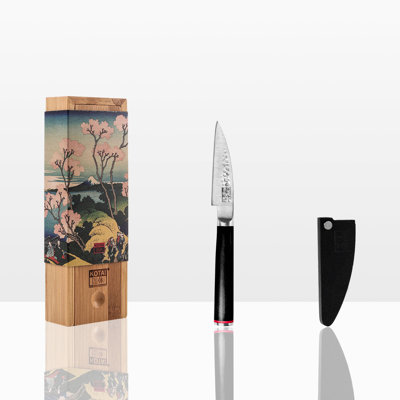
Livraison gratuite
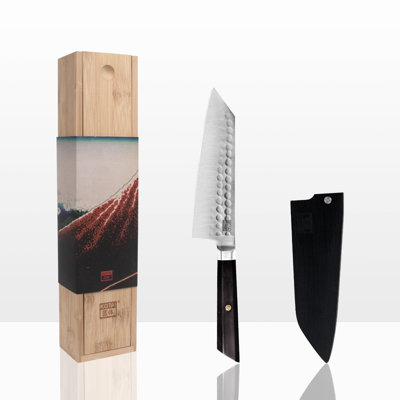
Livraison gratuite

Livraison gratuite
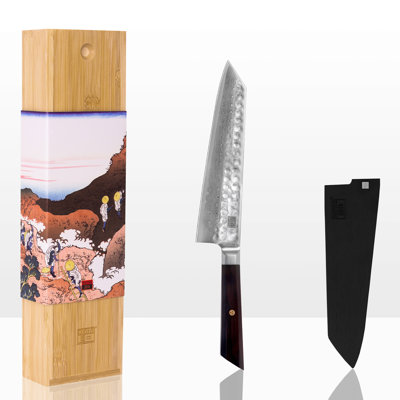
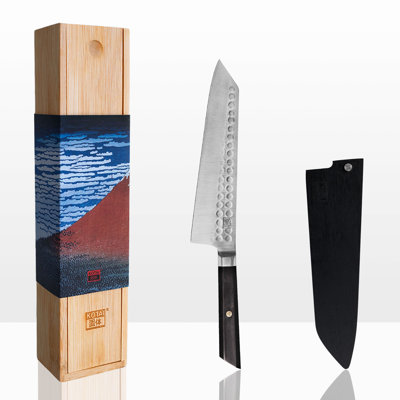
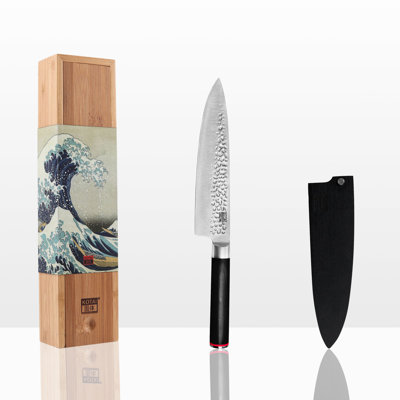
Damas en acier Damas (couteau de chef) avec bambou Saya et boîte en bambou - lame de 210 mm
Par KOTAI
Livraison gratuite
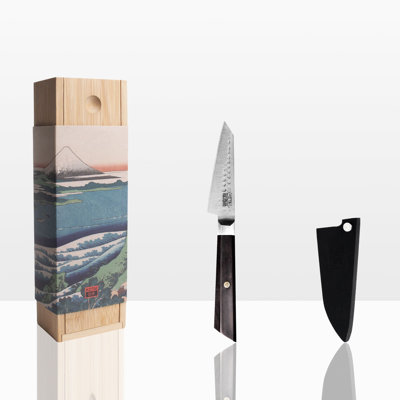
Livraison gratuite
Livraison gratuite
Livraison gratuite
Livraison gratuite
Livraison gratuite
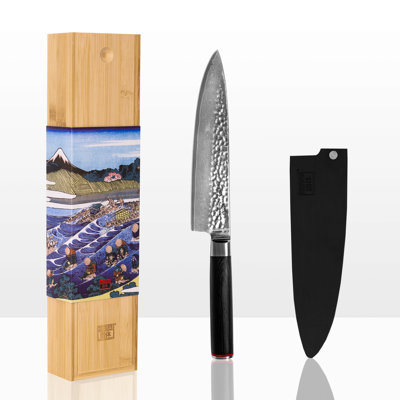
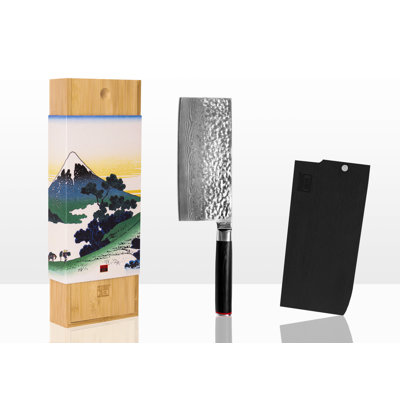
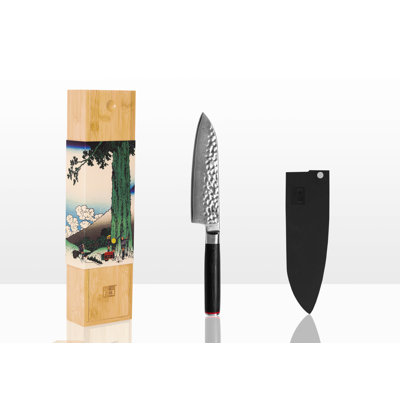
Damas en acier Gyuto (couteau de chef) avec bambou Saya et boîte en bambou - lame de 20 cm (8 po)
Par KOTAI
Livraison gratuite
Livraison gratuite
Livraison gratuite

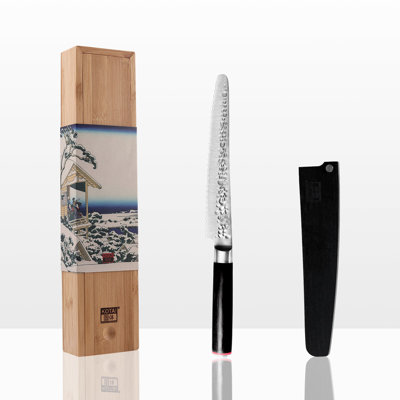
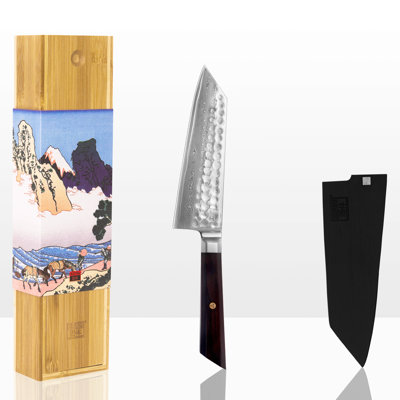
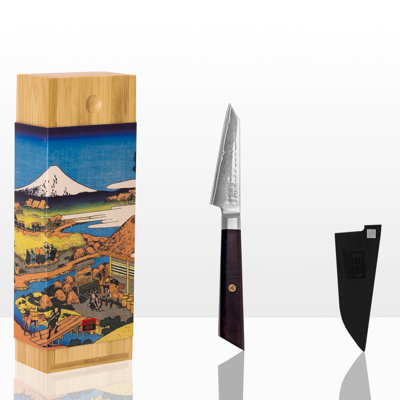
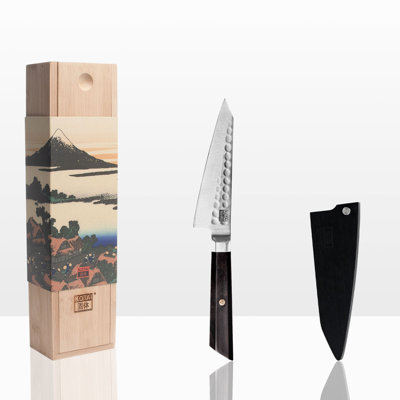
Couteau à fil Damas flexible en acier avec bambou Saya et boîte en bambou - lame de 20 cm (8 po)
Par KOTAI
Livraison gratuite

Livraison gratuite
Livraison gratuite
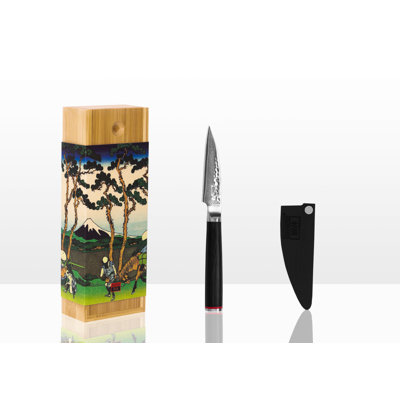
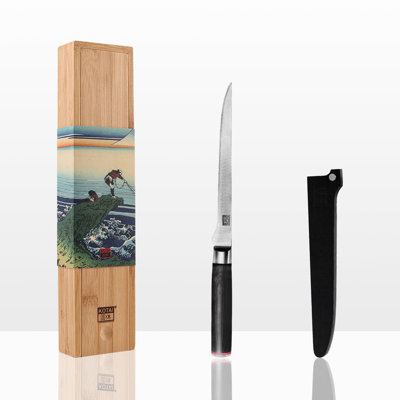
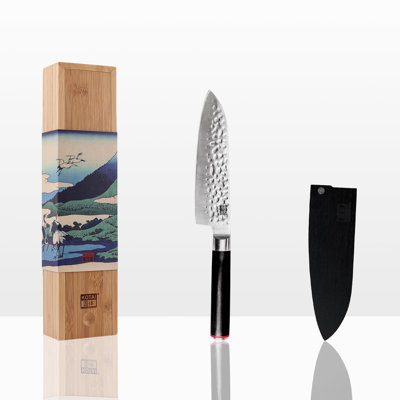
Couteau d'office en acier Damas avec bambou Saya et boîte en bambou - lame de 9 cm (3,5 pouces)
Par KOTAI
Livraison gratuite
Livraison gratuite