Carpet vs. Rug: Which Flooring Option Is Best for You?
Cozy floors start here.

Adding a carpet or rug to your home can completely change the look, feel, and function of your space. While both add warmth and comfort underfoot, they offer different benefits in terms of style, function, and maintenance. Whether you’re designing a cozy bedroom, kid-friendly playroom, or polished living space, understanding the differences between carpet vs. rugs can help you find the best flooring option for your home and lifestyle.
Carpet vs. Rug: What’s the Difference?
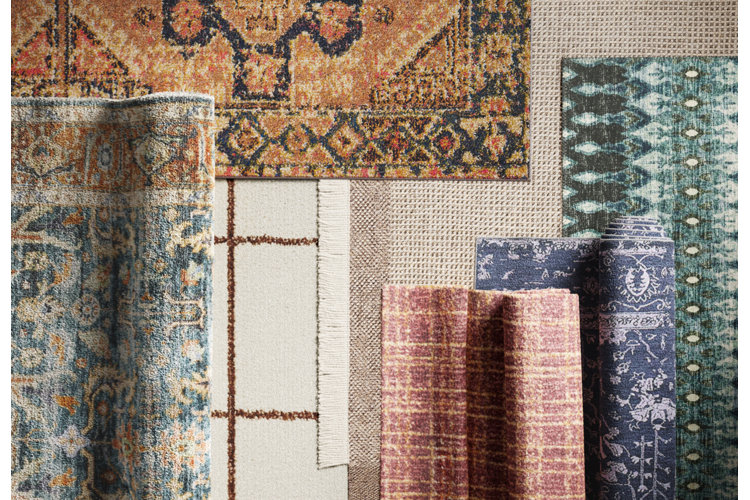
Carpets and rugs are both types of floor coverings that are popular in many homes, but they do have some key differences. Carpets are a semi-permanent wall-to-wall flooring, while area rugs are movable accessories that come in various shapes and sizes. While carpets offer wall-to-wall coverage in rooms, area rugs are meant to cover only a portion of the room, leaving the floor exposed around it. Both carpets and rugs can be made of different materials, including wool, polypropylene, and nylon.
Carpet: Benefits & Considerations
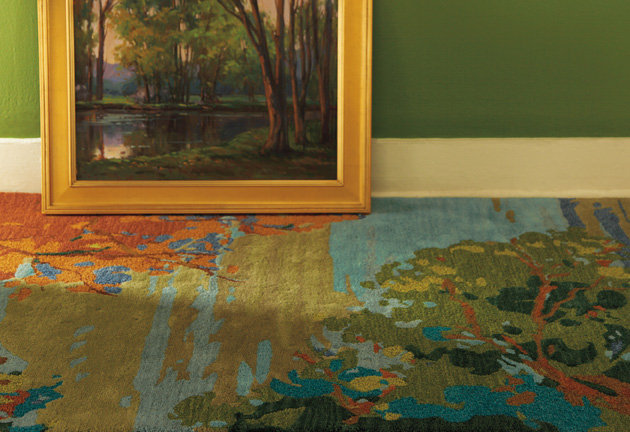
Carpet Benefits
- Seamless Floor Coverage: Carpets provide full wall-to-wall floor coverage for a cohesive look in any room.
- Enhanced Insulation: Carpet provides an added layer of insulation in your home. The tiny fibers in a carpet trap air, which acts as a thermal barrier.
- Reduced Risk of Tripping: Carpets are permanently fixed to the floor beneath it. Properly installed carpet does not flip up or shift, which can cause a tripping hazard. This makes carpet especially ideal for stairs or homes with older people and pets.
Carpet Considerations
- Difficult to Clean & Replace: Carpets can be more challenging to keep clean, especially in homes with children and pets. Since carpet cannot be easily removed and replaced, soiled areas will need to be cleaned with a carpet cleaner. Area rugs can be layered over carpets to add an extra layer of protection.
- More Expensive: Because carpet offers full room coverage and requires installation, they tend to be more expensive than area rugs.
Tip!
Interested in carpet tiles? Learn Everything You Need to Know About Carpet Tile Installation and How to Choose the Best Carpet Tiles for Your Room with our helpful guide.
Rugs: Benefits & Considerations
Rug Benefits
- Versatility: Rugs can be placed in any room, moved around, and layered to create different looks and to serve different purposes. There are even rugs made for outdoor use, allowing you to place them on your patio or porch.
- Easy-to-Clean Options: Rugs are generally easier to clean and replace than carpet if they become too soiled or worn out. A washable area rug can even be tossed into the wash to keep it fresh and stain-free. With rugs, it’s also possible to move them out of the way temporarily to clean the floors beneath.
- Stylish: Beyond their functionality, area rugs are a decorative accessory used to add color, texture, and patterns to a room. They are popular in modern homes and are easily customized to suit your aesthetic.
- Kid- & Pet-Friendly: Area rugs are the best option for homes with pets and kids since they are easy to clean and replace if needed.
Rug Considerations
- Potential Trip Hazard: Because rugs are not permanently fixed to the floor, they can shift or flip up on corners, which people and pets can trip over. It’s recommended to keep a non-slip pad beneath any rugs in your home.
Tip!
Think an area rug is right for your home? Read our Area Rug Buying Guide to help you choose the perfect one.
Rug vs. Carpets: Where to Use Each
- Kitchens & Dining Rooms: A washable area rug is best for kitchens and dining areas that are prone to spills. A thin area rug can add softness underfoot in these areas, making cooking or dining more comfortable.
- Living Rooms: Living rooms are made for relaxing, and what’s cozier than a plush carpet? Since shoes are typically not worn while lounging in the living room, this is a safe space for carpet, and it can last for years with regular vacuuming and shampooing.
- Entryways: Entryways and hallways see a lot of foot traffic, making an area rug the safest choice for this space. Place a doormat by the door to give you a place to wipe your feet before stepping into your home. Smaller area rugs like hallway runners also fit easily into small spaces such as entryways.
- Bedrooms: Bedrooms are another space that can benefit from a little extra comfort. Carpets can also improve insulation, which is great for creating a comfortable bedroom environment.
- Kid’s Rooms: Whether you’re decorating your little one’s bedroom or a dedicated play area, both carpet and area rugs work well. Carpet is great for its full-floor coverage, which offers padding if your child falls while playing. Carpet also limits trip hazards for toddlers learning to walk. On the other hand, kids’ rooms are more prone to messes, which makes area rugs a great, easy-to-clean option. In this type of space, it may be best to layer a large washable area rug over your carpet for an extra-plush and well-protected floor.
Frequently Asked Questions
Is a rug better than carpet?
It depends on your lifestyle and space. Rugs are more flexible, easier to clean, and simpler to replace, making them ideal for homes with pets, kids, or changing styles. Carpet offers seamless wall-to-wall coverage, added insulation, and a cozy feel underfoot.
Can you put a rug over a carpet?
Yes, layering a rug over carpet is a great way to add texture, color, or extra protection in high-traffic areas. Use a rug pad underneath to help prevent shifting and bunching.
Which is cheaper: carpet or rug?
Area rugs are typically less expensive than carpet because they cover a smaller area and don’t require professional installation. Carpets tend to cost more due to materials, padding, and installation expenses.
